What's inside
As an Amazon Associate I earn from qualifying purchases. This post may contain affiliate links at no extra cost to you.
Our Top Picks


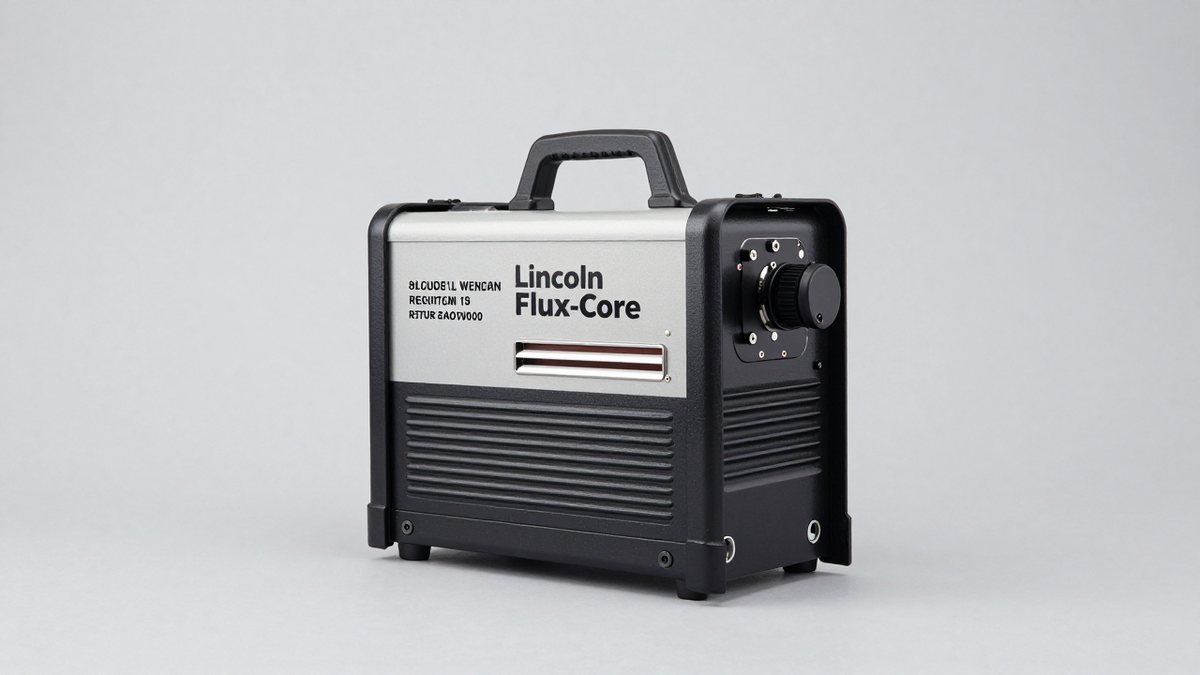
Best Lincoln Flux-Core Welders for Home and Farm Repairs
The best Lincoln flux welder for most home and farm repairs is the Lincoln Electric POWER MIG 211i if you want a versatile 120/230V machine; for a simpler, lighter 120V setup, choose the Lincoln Electric Handy MIG. If you routinely weld thicker material or need more output, look at the POWER MIG 215 MPi. The right pick depends less on brand name than on your outlet, the steel thickness you actually repair, and how long you need to weld before stopping to cool.
Lincoln flux-core models compared
Lincoln machines are often sold as multiprocess welders, even when the job is flux-core welding. The table focuses on useful buying differences rather than implying that every model has the same output or duty cycle in every process. Specs can vary by package and revision, so check the machine’s current nameplate and manual before buying wire or a circuit.
As an Amazon Associate we earn from qualifying purchases at no extra cost to you.


| Model | Input power | Wire capacity | Duty cycle reference | Portability and best fit |
|---|---|---|---|---|
| Lincoln Electric Handy MIG | 120V household supply | Up to 2 lb spool | 20% at 70A | About 45 lb; occasional light repairs and limited storage space |
| Lincoln Electric POWER MIG 140 MP | 120V household supply | Up to 10 lb spool | 20% at 90A | About 50 lb; frequent home maintenance without a 240V outlet |
| Lincoln Electric POWER MIG 211i | 120/230V | Up to 15 lb spool | 30% at 175A on 230V input | About 40 lb; portable shop or farm machine with room to grow |
| Lincoln Electric POWER MIG 215 MPi | 120/230V | Up to 12 lb spool | 30% at 175A on 230V input | About 41 lb; multi-process capability and more demanding repair work |
Duty-cycle figures are tied to a specified output and time period: 20% means roughly two minutes of arc-on time in a ten-minute interval at that rating, followed by cooling time. A lower setting may allow more continuous welding. Do not compare duty-cycle percentages without comparing the stated amperage and input voltage as well.
Which one fits your repair work?
- Choose the Handy MIG for occasional brackets, small gates, and thin stock when compact storage and simple 120V operation matter most. Its small spool and modest output are limiting factors for long jobs or heavier repairs.
- Choose the POWER MIG 140 MP if you expect to use the machine regularly but only have 120V available. Its larger spool capacity means fewer changes during a project, though a 120V circuit still limits sustained output.
- Choose the POWER MIG 211i if you can use either household-style 120V power or a suitable 230V circuit. It is a strong general-purpose choice for a home shop or farm because the higher-voltage supply gives more headroom for thicker material and longer welds.
- Choose the POWER MIG 215 MPi if you value its multiprocess flexibility and have projects beyond flux-core welding. It is not automatically the better flux-core buy if you will use only that process; weigh the extra capabilities against cost and setup complexity.
Flux-core performance on rusty steel and outdoors
Self-shielded flux-core wire is useful outdoors because it does not rely on a shielding-gas bottle that wind can disturb. It is also convenient for farm repairs where moving the work indoors is impractical. That does not make it a cure for rust: heavy scale, paint, oil, and deep corrosion can still cause porosity, weak fusion, and erratic arc behavior. Brush or grind to sound metal around the joint, especially where the repair carries load.
Flux-core welds produce slag and more spatter than clean, gas-shielded MIG welding. Plan to chip and brush the slag between passes, and keep the nozzle and contact tip clear. On thin sheet, the process can burn through quickly; use short stitches, allow cooling, and practice on scrap of similar thickness before welding a mower deck, trailer panel, or equipment guard.
Most self-shielded wire runs with electrode polarity set according to the wire manufacturer’s instructions—often DC electrode negative, but do not assume. Verify polarity, wire diameter, and recommended voltage and wire-feed settings on the spool label or in the welder manual. Solid MIG wire and flux-core wire may require different polarity and drive-roll setup.
A practical setup checklist for outdoor repairs
- Confirm the power source. Use a properly rated, grounded circuit and the input connection specified by Lincoln. Avoid undersized extension cords; voltage drop can make the arc unstable and may overheat the cord.
- Match wire to the job. Select self-shielded wire intended for the steel thickness and welding position. Load the correct spool size, drive roll, and contact tip, then set polarity from the wire documentation.
- Prepare the joint. Remove loose rust, paint, grease, and moisture. Fit the parts tightly where possible, and clamp them so movement does not open the joint during welding.
- Test and adjust. Weld scrap of comparable thickness. Listen for a steady arc, inspect the bead for consistent tie-in, and change one setting at a time. If the wire stubs into the work, adjust feed or voltage; if it burns back toward the tip, check feed speed, contact-tip condition, and settings.
- Protect the work area. Keep wind from blowing debris into the weld, but never enclose a machine in a way that blocks cooling airflow. Remove flammables and use a welding helmet, gloves, protective clothing, and suitable eye protection for anyone nearby.
Ownership costs and wear points
The welder is only part of the cost. Budget generally for the machine, a suitable circuit if you lack one, wire, contact tips, drive rolls where required, a chipping hammer, and protective gear. Entry-level 120V units are generally the lower-cost category; dual-voltage and multiprocess machines typically cost more. Prices vary by package and region, so compare what is included rather than relying on a headline price.
Contact tips, drive rolls, and the gun liner are consumables or wear items. Spatter and flux residue can clog the nozzle; dust and rust flakes can contaminate the wire path. Store wire dry and covered, since damp or contaminated wire can produce poor welds. After use, let the machine cool as needed, inspect the gun cable for damage, and clean vents according to the manual. These small habits matter on a farm, where grit, moisture, and long periods between jobs can shorten the life of neglected consumables.
Bottom line
For light, infrequent repairs on 120V power, the Handy MIG keeps the setup simple. The POWER MIG 140 MP is a better fit for more regular 120V use, while the POWER MIG 211i is the most balanced choice when both 120V portability and 230V output are useful. Pick the 215 MPi when its other processes justify the added capability. Whatever Lincoln Electric flux welder you choose, clean preparation, correct polarity, and realistic expectations about duty cycle will matter as much as the model.