What's inside
- Lincoln gasoline welders compared
- Best overall: Lincoln Ranger 330MPX
- Best value for conventional jobsite work: Ranger 305G
- Best for portability and multi-process flexibility: Ranger 260MPX
- Where the Ranger 250 GXT fits
- Decision matrix: which Lincoln gasoline welder suits your job?
- How much generator load can it support?
- Fuel use, runtime, and operating cost
- Ownership realities and maintenance
- Final recommendation
- Related Guides
As an Amazon Associate I earn from qualifying purchases. This post may contain affiliate links at no extra cost to you.
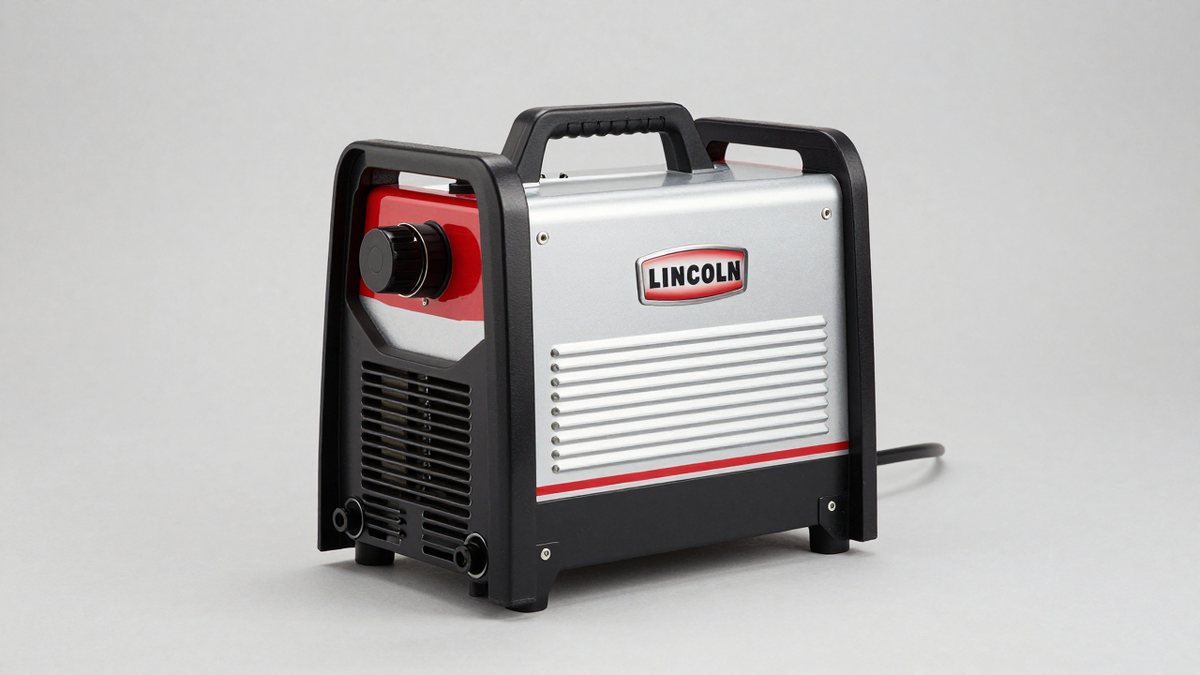
The best Lincoln gasoline welder for portable jobsite work is the Ranger 330MPX when you need maximum welding output and generator capacity; the Ranger 305G is the better value for conventional stick, TIG, and wire-feed work, while the smaller Ranger models make more sense when transport, purchase cost, and fuel use matter most.
As an Amazon Associate we earn from qualifying purchases at no extra cost to you.



Our Top Picks



Lincoln gasoline welders compared
Lincoln Electric’s Ranger line consists of engine-driven welders that also supply generator power for grinders, lights, pumps, chargers, and other site equipment. The practical differences are not just the advertised amperage. Duty cycle, usable generator output, fuel-tank size, engine controls, and the type of loads you expect to run can change which machine is the better buy.
| Model | Maximum welding output | Approximate generator output | Typical engine and fuel arrangement | Best fit |
|---|---|---|---|---|
| Ranger 330MPX | 330 A DC | About 11,000 W continuous; 12,000 W peak | Gasoline engine, large jobsite fuel tank | Heavy structural repair, high-duty-cycle welding, demanding auxiliary loads |
| Ranger 305G | 300 A DC | About 9,000 W continuous; 10,000 W peak | Gasoline engine, conventional mechanical controls | General contractors and repair crews wanting strong output without premium controls |
| Ranger 260MPX | 260 A DC | About 9,000 W continuous; 10,000 W peak | Gasoline engine, inverter-based multi-process design | Portable stick, TIG, and wire-feed work with modern arc control |
| Ranger 250 GXT | 250 A DC | About 10,000 W continuous; 11,000 W peak | Gasoline engine, traditional engine-driven platform | Fleet use, maintenance work, and buyers prioritizing proven simplicity |
Specifications can vary by production version, engine configuration, and market. Confirm the nameplate and current Lincoln Electric manual before buying, particularly for fuel capacity, receptacle ratings, and generator output.
Best overall: Lincoln Ranger 330MPX
The Ranger 330MPX is the strongest choice when the welder will regularly perform structural, agricultural, trailer, pipeline-support, or heavy repair work. Its 330-amp ceiling gives more headroom for large electrodes and thick material than the 250- to 300-amp models. That extra capacity is useful even when you normally weld at 180 to 250 amps: the engine-driven power source is less likely to operate at its limit during long passes.
Its generator section is also suitable for a more demanding jobsite. An approximately 11,000-watt continuous rating can support a large angle grinder, work lights, battery chargers, and a moderate compressor or pump, provided their combined running and starting demands stay within the machine’s limits.
Choose the 330MPX if:
- You weld thick steel or use large-diameter electrodes frequently.
- The machine will run long passes or several repair jobs each week.
- You need substantial generator power in addition to welding.
- The higher purchase price and heavier transport requirements are acceptable.
Best value for conventional jobsite work: Ranger 305G
The Ranger 305G is a sensible middle ground for crews that mainly need dependable DC welding rather than extensive electronic process control. With roughly 300 amps of welding output and about 9,000 watts of continuous generator power, it covers common construction, farm, maintenance, and mobile repair work.
Its conventional design can be attractive for a shared fleet because operators do not need to learn a complex menu system. It is particularly well suited to stick welding and to powering a basic wire feeder. The trade-off is that it may offer fewer of the refined arc-control and multi-process features associated with newer MPX models.
For many buyers, the 305G is the point at which extra welding capacity remains useful without paying for the largest model. It is the better selection than a 250-amp machine if the welder will occasionally handle heavy plate, but the 330MPX is preferable when maximum duty cycle and auxiliary power are recurring requirements.
Best for portability and multi-process flexibility: Ranger 260MPX
The Ranger 260MPX is aimed at users who value a manageable, modern multi-process package more than maximum amperage. Its 260-amp output is enough for most repair welding, farm equipment, gates, trailers, structural brackets, and general maintenance. It can also be a better match for operators who switch between stick, TIG, and wire-feed processes.
The main limitation is headroom. A 260-amp machine can weld substantial material, but it leaves less margin for high-amperage, long-duration work than the 305G or 330MPX. Generator output is strong for a welder in this class, but you still need to account for compressor and motor starting surges.
Where the Ranger 250 GXT fits
The Ranger 250 GXT remains a practical type of Lincoln gasoline-powered welder for users who want a straightforward engine-driven unit for routine field work. Its approximately 250-amp welding capacity handles common electrodes and repair tasks, while its generator section can support ordinary tools and site accessories.
It is most attractive when available through an established equipment dealer or fleet channel at a favorable market price. It is not the first choice for frequent thick-plate welding, and buyers should pay close attention to the condition of a used engine, welder leads, receptacles, and control panel.
Decision matrix: which Lincoln gasoline welder suits your job?
| Job situation | Recommended direction | Why |
|---|---|---|
| Occasional farm or home repair | Ranger 250 GXT or Ranger 260MPX | Enough welding output without carrying the cost of the largest unit |
| Daily contractor use with mixed repairs | Ranger 305G | Strong balance of amperage, generator capacity, and conventional operation |
| Thick steel, large electrodes, long welds | Ranger 330MPX | Highest welding ceiling and greater operating margin |
| Frequent TIG and wire-feed work | Ranger 260MPX or Ranger 330MPX | Choose according to required amperage; MPX controls favor multi-process work |
| Welder plus compressor, grinder, and lighting | Ranger 330MPX | More continuous generator capacity, although load calculations remain necessary |
| Lowest fuel and ownership burden | Smaller Ranger model | Lower output machines generally consume less fuel when doing comparable light work |
How much generator load can it support?
Do not add only the numbers printed on tool labels. Motors can draw several times their running wattage during startup. A simple planning example illustrates the issue:
- Angle grinder: 1,500 watts running
- Battery charger: 1,000 watts
- LED work lights: 300 watts
- Small compressor: 1,800 watts running, with a much higher starting surge
The running total is 4,600 watts, which is within the continuous rating of any machine in the comparison. However, starting the compressor while the grinder is running may cause a voltage dip or nuisance shutdown. Start the compressor first, avoid simultaneous motor starts, and leave reserve capacity. For a recurring combination of large motors, the Ranger 330MPX provides more practical margin than a smaller unit, but it does not eliminate the need to check locked-rotor or starting-current specifications.
Fuel use, runtime, and operating cost
Runtime depends heavily on welding amperage, duty cycle, engine speed, generator load, temperature, and maintenance. A gasoline welder running continuously under heavy welding or generator load will use fuel much faster than one idling between short repairs. Published fuel-consumption figures should therefore be treated as test-condition estimates rather than a guaranteed number of hours.
For a useful buying calculation, assume a machine burns 0.8 gallons per hour during a particular mixed-use shift and gasoline costs $4 per gallon. Fuel cost is:
0.8 gallons × $4 = $3.20 per operating hour.
If the same job is performed at a lighter duty cycle averaging 0.5 gallons per hour, the fuel cost falls to $2 per hour. This is why an oversized model can cost more to operate when it spends most of its time idling, although the larger unit may still be economical if it prevents a second generator, extended downtime, or repeated high-load shutdowns.
Use the fuel-tank capacity and the manufacturer’s fuel-consumption chart for the exact model to estimate runtime. Keep a reserve rather than planning to drain the tank completely; refueling in dusty conditions increases the chance of contamination.
Ownership realities and maintenance
The first items to wear are usually not the welding transformer or inverter. Expect attention to air filters, spark plugs, engine oil, fuel filters, battery terminals, starter batteries, receptacles, cable lugs, and electrode holders. Leads are commonly damaged by dragging over sharp steel or wrapping them tightly around the machine.
- Inspect oil level and leaks before each shift.
- Clean or replace the air filter at the interval specified for dusty work.
- Keep cooling openings free of chaff, grinding dust, and mud.
- Use clean, fresh gasoline and stabilize fuel during extended storage.
- Inspect grounding connections and tighten loose cable lugs.
- Do not weld while a generator motor load is starting unless the machine and load combination is known to tolerate it.
- Store cables dry and loosely coiled to reduce insulation and conductor damage.
When comparing used Lincoln gasoline welders, a clean cold start, stable engine speed, intact receptacles, reliable controls, and a load test are more valuable than a recently repainted cabinet. Ask for service records and verify that the output matches the model’s specifications before committing to a high-priced purchase.
Final recommendation
Choose the Ranger 330MPX for the broadest jobsite capability and the best reserve for heavy welding and generator loads. Choose the Ranger 305G for the strongest value in conventional daily repair work. Choose the Ranger 260MPX when multi-process flexibility and a lower-capacity package are more important than maximum amperage, and consider the Ranger 250 GXT for routine work when its price and condition make sense. The right Lincoln gasoline welder is the smallest model that comfortably covers your actual weld size and simultaneous electrical loads, with enough reserve to avoid running at its limit every day.