What's inside
As an Amazon Associate I earn from qualifying purchases. This post may contain affiliate links at no extra cost to you.
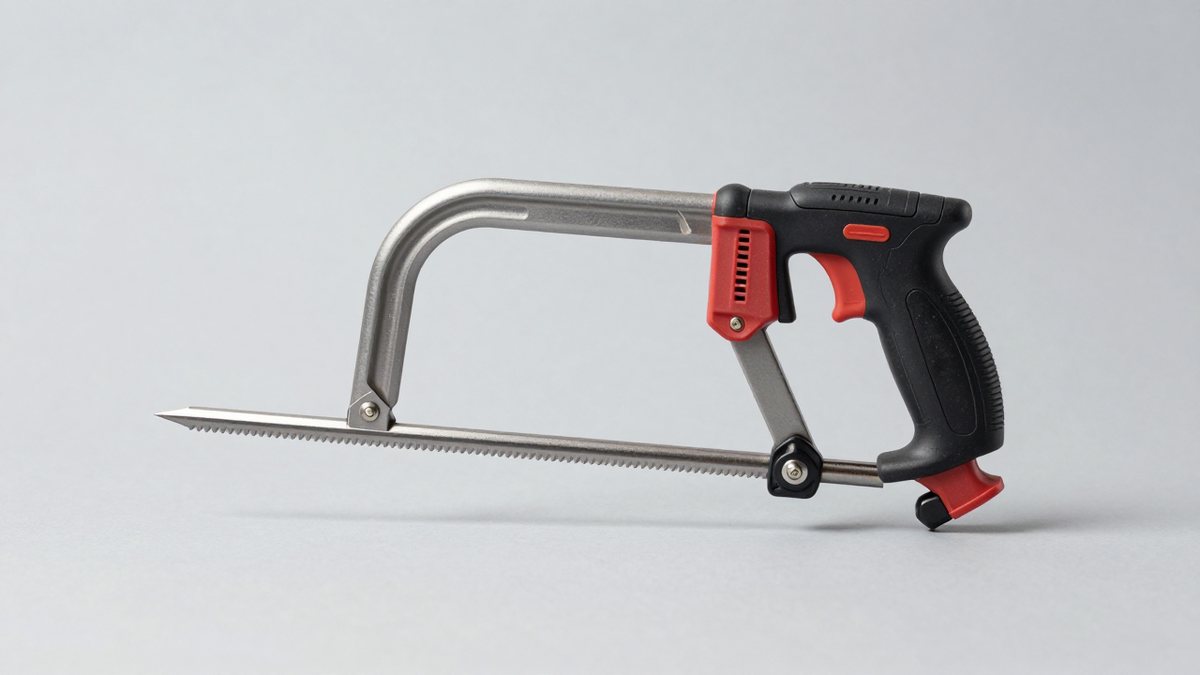
The best small hand saw for precise work is usually a compact pull saw for clean joinery, a fine-tooth flush-cut saw for trim, or a curved pruning saw for branches; choose by what you’re cutting, which direction the blade cuts, and how much room you have to stroke it.
As an Amazon Associate we earn from qualifying purchases at no extra cost to you.


Our Top Picks
 Tietoc Chainsaw 6 Inch Mini Electric Chainsaw Cordless6inch16 x 4 x 3 inches3.3 poundsCheck on Amazon


Choose by job, not just blade length
A short blade is easier to steer in a cramped opening, but it also limits stroke length and slows work through thicker stock. Tooth pattern matters just as much: fine teeth leave a smoother surface in thin material, while larger teeth clear chips faster from green wood. Before buying, check the saw’s stated cutting direction and whether its handle leaves room for your hand beside the workpiece.
The figures below are typical product specifications, not universal standards. Exact lengths, weights, and tooth counts vary by model and can change between versions. Use them to compare saw types, then confirm the manufacturer’s current specification.
| Saw type or example | Blade length | Typical tooth pattern | Cut direction | Best fit |
|---|---|---|---|---|
| Japanese flush-cut saw, such as a Gyokucho Razorsaw | About 5–7 in. (125–180 mm) | Fine; often roughly 17–30 TPI, depending on model | Pull | Dowel ends, plugs, and delicate trim |
| Compact Japanese ryoba | About 7–9 in. (180–225 mm) | Two edges: finer crosscut teeth and coarser rip teeth | Pull | Small joinery when you need both cut types |
| Compact Western backsaw | About 8–10 in. (200–250 mm) | Fine, often roughly 12–20 TPI | Push | Controlled shoulder and mitre cuts in a bench setup |
| Folding pruning saw, such as a Silky Gomboy | About 7–9 in. (180–240 mm) | Coarser, commonly around 8–13 TPI | Pull | Branches, landscaping, and packable outdoor use |
| Compact cordless pruning saw, such as a Milwaukee M12 HATCHET | About 6 in. (150 mm) bar | Chain rather than hand-saw teeth | Powered chain cuts | Repeated pruning where speed outweighs fine control |
Best match by situation
For trim, plugs, and work that must finish flush
Choose a flexible Japanese flush-cut saw with teeth set to one side or otherwise designed to reduce scratching. Its thin blade can pass over a finished surface while trimming a dowel or plug close to level. Support the blade gently and use short, light strokes: pressing down can bend the blade or mark the surrounding finish. This is often the best small hand saw for delicate trim, but it is not meant for forcing through thick stock.
For small joinery and mixed cuts
A compact Japanese ryoba gives you two tooth patterns in one blade: one edge suited to crosscutting across grain and the other to ripping with the grain. That makes it a versatile choice for small shop projects when storage is limited. Its pull stroke tends to keep a thin blade in tension, which can make it easier for many beginners to guide accurately. If you prefer a rigid blade and a familiar push stroke, a compact Western backsaw is a better fit—especially when paired with a mitre box or bench hook.
Tooth count alone does not tell the whole story. Tooth geometry and spacing vary by manufacturer, and a high tooth count can clog in thick or resinous material. Match a fine pattern to thin, clean cuts; choose more aggressive teeth when chip clearance and speed matter more than a smooth edge.
For branches and garden work
A curved folding pruning saw is designed to pull through branches, with larger teeth that clear wet chips better than fine joinery teeth. For many garden jobs, a blade around 7–9 inches offers a useful balance between reach and control. A folding model protects the teeth in storage and is convenient to carry, but its joint needs to lock securely before use. If you’re comparing the best garden hand saws or the best arborist hand saw, prioritize a dependable lock, a comfortable handle with wet-weather grip, and a blade length appropriate to the branch size—not the smallest package.
For occasional camping, a folding pruning saw can also serve as the best survival hand saw for cutting modest branches. A dedicated wire or chain survival saw packs smaller but is usually harder to control and can bind; it’s a space-saving compromise, not a substitute for a comfortable rigid blade.
For frequent pruning with less manual effort
The best cordless hand saw for repeated branch cutting is a powered pruning saw, not a miniature woodworking saw. A compact model such as Milwaukee’s M12 HATCHET uses a short chain bar and battery platform, so compare total tool weight, battery compatibility, chain tensioning, and replacement-chain availability. It can speed up repeated cuts, but it is heavier, noisier, and less suitable for fine flush work than a hand saw. Follow the manufacturer’s safety instructions and keep hands clear of the cutting chain.
Quick decision matrix
| Your situation | Good starting choice | Trade-off to expect |
|---|---|---|
| Beginner; occasional small projects | Compact ryoba or fine-tooth backsaw | A ryoba is versatile; a backsaw is easier to register against a guide |
| Very tight clearance around finished trim | Flexible flush-cut saw | Excellent for protrusions, limited for deep or thick cuts |
| Small shop with little storage | Short ryoba or folding saw, depending on material | One blade cannot excel at both clean joinery and fast pruning |
| Regular yard maintenance | Locking folding pruning saw; cordless for frequent repeated cuts | Powered tools add weight, cost, and maintenance |
| Lowest upfront cost | Basic fixed-blade hand saw suited to the main task | Very cheap blades may dull quickly or be difficult to replace |
Check the handle and stroke before you buy
Blade length does not equal the space needed to use a saw. Leave room for the full stroke plus your knuckles and wrist; a 7-inch blade can still be awkward if a wall or adjacent board blocks the handle. A small handle is easier to fit into a confined space, but it may cramp a larger hand or reduce control during longer cuts. If possible, hold the saw and check that you can maintain a relaxed grip without your fingers hitting the work.
For pull saws, start with a light scoring stroke and let the teeth cut as you draw the blade toward you. For push saws, support the work firmly and use a steady, controlled forward stroke. In either case, a sharp pencil line, stable workpiece, and suitable guide will improve accuracy more than extra force.
Ownership: what wears and how to maintain it
- Teeth dull first. Many compact Japanese saws have impulse-hardened teeth that are difficult or impractical to sharpen with ordinary files. Check whether the maker sells replacement blades before choosing a model.
- Keep blades clean and dry. Brush off sawdust, sap, and damp debris after use; dry the blade before storage. A light protective oil can help prevent rust on carbon-steel blades, but keep oil away from surfaces where it could stain finished wood.
- Protect the cutting edge. Use a sheath or fold the blade fully into its handle, and avoid letting teeth rub against other tools. Don’t twist a thin blade to free it from a binding cut; back it out gently instead.
- Inspect joints and locks. Check a folding saw’s pivot and lock for looseness or debris. For a cordless pruning saw, follow the maker’s instructions for chain tension, lubrication, cleaning, and battery care.
In short, choose a fine flush-cut or joinery saw for controlled work on wood, and a coarser folding pruning saw for branches. Size the blade to the available stroke, then confirm that its tooth pattern, cut direction, and handle feel suit the job you’ll do most.