What's inside
As an Amazon Associate I earn from qualifying purchases. This post may contain affiliate links at no extra cost to you.
Our Top Picks

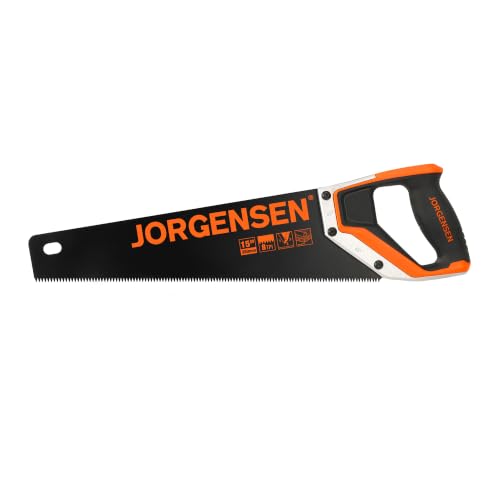


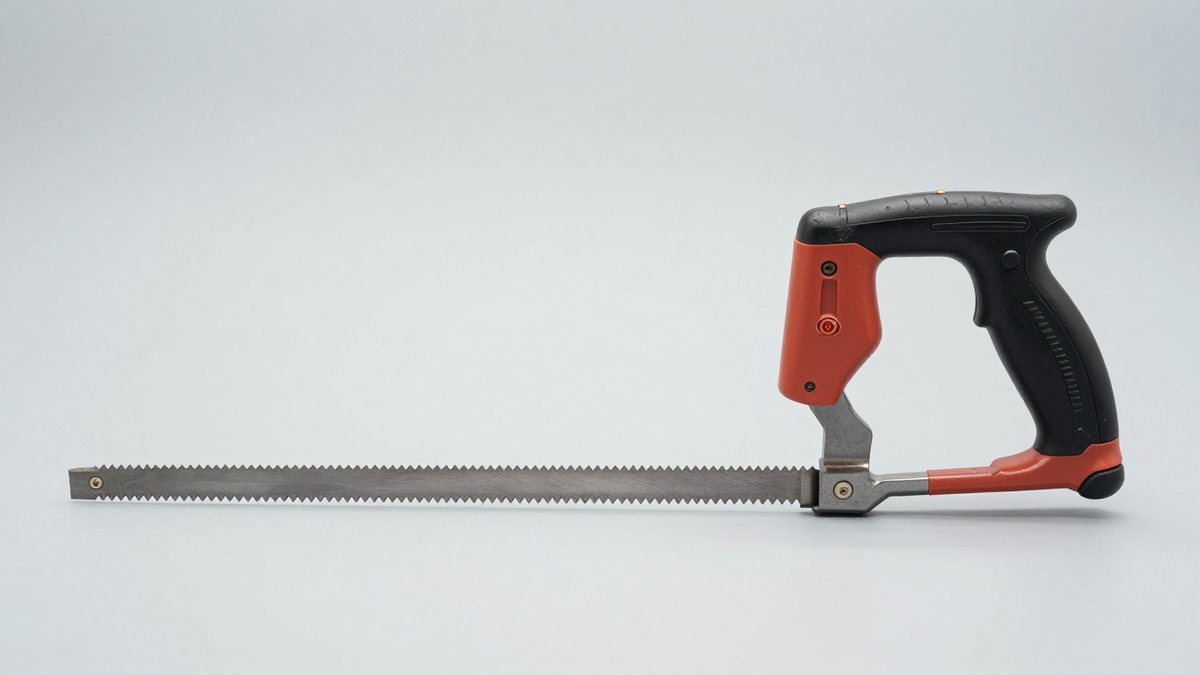
Best Hand Saws for Home Use: Practical Picks for DIY Projects
The best hand saw for home use for most homeowners is a 20–22-inch, 8–10-teeth-per-inch (TPI) panel saw: it cuts common boards at a useful pace, is easy to control, and fits more storage spaces than a full-length carpenter’s saw. Choose a shorter fine-tooth saw for trim and a compact folding saw for occasional outdoor or tight-space work.
Quick picks by job
- One saw for general repairs: A 20–22-inch panel saw with about 8–10 TPI. It is a practical balance for cutting dimensional lumber and plywood.
- Fast cuts in framing lumber: A 24-inch rip or crosscut hand saw with roughly 5–8 TPI. The longer blade and larger teeth remove material quickly, but need more room to store and swing.
- Trim, dowels, and cleaner cuts: A fine-tooth backsaw, typically 10–14 inches and 12–20 TPI. Its stiffened spine helps guide short, controlled cuts; its depth of cut is limited.
- Small storage space or outdoor jobs: A folding pruning saw, commonly 7–10 inches with coarse teeth. It stores safely and cuts branches well, but is not the best choice for precise indoor joinery.
Compare the main hand-saw types
Tooth count is only one clue: tooth shape and set—the slight side-to-side angle that creates clearance—also affect how a saw cuts. Coarse teeth usually clear chips faster, while finer teeth can leave a neater edge but need more strokes. The figures below are typical ranges, not standards; models vary.
As an Amazon Associate we earn from qualifying purchases at no extra cost to you.



| Saw type | Typical blade length | Typical tooth count | Best suited to | Storage and trade-off |
|---|---|---|---|---|
| General-purpose panel saw | 20–22 in. | 8–10 TPI | Boards, small repairs, rough-to-moderate cuts | Needs a long drawer, wall rack, or blade guard; versatile but not as neat as a fine saw |
| Coarse framing saw | 24 in. | 5–8 TPI | Rapid cuts across framing lumber | Long blade needs protected storage; coarse teeth can tear out edges |
| Backsaw | 10–14 in. | 12–20 TPI | Trim, small parts, and controlled short cuts | Compact, but the stiffening spine limits how deep it can cut |
| Folding pruning saw | 7–10 in. | About 5–8 TPI | Branches and occasional outdoor cutting | Folds into a compact handle; blade shape and tooth pattern are less suited to flat indoor cuts |
Choose by the material and the cut
For everyday lumber and repairs
A 20–22-inch panel saw is a useful starting point if you expect to cut pine or other softwood boards, trim a shelf, or shorten a piece of framing lumber. A universal or crosscut tooth pattern is generally more useful around the house than a dedicated rip saw, which is designed to cut along the grain. If the label identifies a tooth pattern, match it to the direction of your cut.
For speed on rough cuts
Pick a longer, coarser saw when speed matters more than a clean edge—for example, cutting framing stock that will be hidden or finished later. A 24-inch blade lets you use longer strokes, but only if you have room to move it. Short strokes with the tip often make a long saw feel awkward rather than fast. For a visible cut, mark the line clearly and leave a little extra material to trim or sand.
For trim and small parts
A backsaw suits short, accurate cuts where a broad panel saw is hard to control. Its fine teeth can reduce splintering, especially when paired with a firm work surface and a sacrificial backing board. The rigid spine makes the blade less flexible, but also prevents cuts deeper than the space beneath that spine—check this before buying for thicker stock.
For cramped storage or outdoor use
A folding pruning saw is easy to tuck into a toolbox or shed and is useful for branches and rough outdoor work. It is not a substitute for a panel saw when cutting straight, flat boards: the curved blade and aggressive teeth make precise line-following harder. For a long fixed blade, check that the handle has a hole or that a blade guard is included, and plan where it will hang or lie safely.
A practical decision matrix
| Your situation | Good starting choice | Why |
|---|---|---|
| New to DIY; one saw for occasional repairs | 20–22-in. panel saw, 8–10 TPI | Handles a broad range of board cuts without specializing too narrowly |
| Frequent rough cuts; storage space available | 24-in. coarse framing saw, 5–8 TPI | Long strokes and larger teeth favor faster material removal |
| Mostly trim or small components | 10–14-in. backsaw, 12–20 TPI | Short blade and fine teeth support controlled work |
| Very limited storage; occasional branch cutting | 7–10-in. folding pruning saw | Folds for compact storage and suits outdoor cutting |
What to check before buying
- Blade length versus available space: Measure the drawer, toolbox, or wall area you will use. A saw that cannot be stored safely is less likely to be ready when needed.
- Handle comfort and grip: Look for a shape that lets your wrist stay relaxed and gives you control without squeezing hard. If possible, hold the saw before buying.
- Blade construction: Many modern hand saws use hardened teeth that are not intended to be sharpened at home. A replaceable blade can be worthwhile if you expect frequent use; for occasional work, replacing an inexpensive fixed-blade saw may be simpler.
- Cut direction: Some saws cut on the push stroke, others on the pull stroke. Follow the manufacturer’s guidance and use a steady stroke rather than forcing the blade.
- Price: Basic homeowner hand saws generally fall in the low-to-mid tens of dollars, while specialized or replaceable-blade models can cost more. Treat price as a guide, not a proxy for tooth pattern or suitability.
Keep the saw cutting well
Most wear appears first at the teeth: they dull, chip, or lose their set, and the saw then needs more force or wanders off the line. Resin and dust can also make a blade drag. Wipe it clean after use, dry it before storage, and apply a light protective oil to an uncoated steel blade if it will sit for a while. Keep teeth covered or separated from other tools; knocking them against metal can damage the edge.
Secure the workpiece before cutting, support the offcut so it does not pinch the blade, and start with a few light strokes to establish a kerf. Pressing harder is a common mistake: it can bend a thin blade, spoil the cut, and tire your arm. Let the teeth do the work, and replace or service the saw when a clean, controlled stroke no longer produces a usable cut.
Bottom line
For most homes, start with a 20–22-inch, 8–10-TPI panel saw if you have room to store it. Add a fine-tooth backsaw if neat trim cuts become a regular task, or choose a folding pruning saw when compact storage and branch cutting matter more than straight cuts in lumber.