What's inside
As an Amazon Associate I earn from qualifying purchases. This post may contain affiliate links at no extra cost to you.
Our Top Picks
 BOENFU Wire Cutters Heavy Duty Snips Flush Cut6-inches6.3 x 4.33 x 0.39 inches4.83 ouncesCheck on Amazon
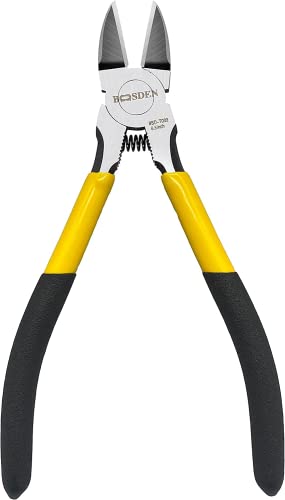 BOOSDEN Wire Cutter 6.5 inch Cutting Pliers Diagonal6.5"- 1 Pack6.5 x 3 x 0.4 inches0.3 poundsCheck on Amazon
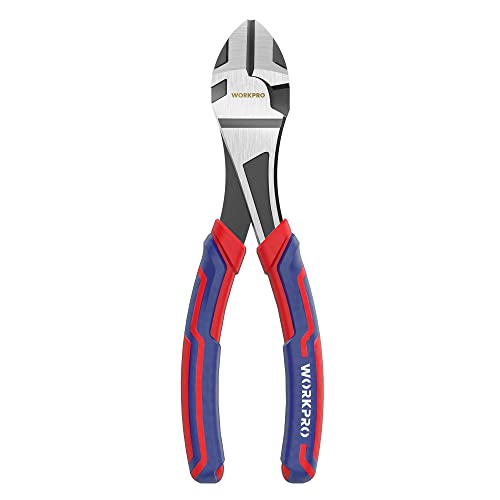

The best wire-cutting pliers depend on the wire
For general electrical and shop work, choose a 6-inch diagonal cutter with hardened steel jaws and insulated handles only when you need a tool rated for electrical work; choose flush cutters for clean cuts in soft, small wire, and end-cutting nippers for short, straight cuts in nails or protruding pins. No one cutter is best for every material: wire diameter, hardness, access, and required cut quality matter more than a long list of features.
Use the comparison below to narrow the choice. Capacity figures are practical selection ranges, not guarantees: manufacturers rate cutters differently, and the exact allowable material and diameter must come from the tool’s specifications. Do not use ordinary pliers on energized conductors. For work near live electrical equipment, select tools explicitly rated for the applicable voltage and follow electrical safety procedures.
As an Amazon Associate we earn from qualifying purchases at no extra cost to you.

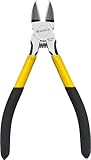

Compare cutter types by task
| Cutter type | Typical size | Practical material range | Cut and effort | Best fit |
|---|---|---|---|---|
| Diagonal cutters | 5–8 in. (127–203 mm) | Soft copper wire around 1–2.5 mm; check the maker’s rating for hard wire | Good leverage; leaves an angled cut close to the work | General electrical, electronics, and shop trimming |
| Flush cutters | 4.5–6 in. (114–152 mm) | Soft copper or plastic around 0.2–1.5 mm, depending on model | Low effort on small wire; one side can leave a nearly flat cut | Small electronics, cable ties, and delicate trim |
| End-cutting nippers | 6–8 in. (152–203 mm) | Small nails, pins, and soft-to-medium wire; verify nail and hard-wire limits | Vertical jaws can pull or nip close to a surface | Protruding fasteners and shop cleanup |
| High-leverage diagonal cutters | 7–9 in. (178–229 mm) | Thicker copper and specified hard wire, within the maker’s capacity | More leverage, but larger jaws need more clearance | Frequent or tougher cutting when a standard cutter strains |
These ranges describe common tool categories, not interchangeable ratings. A cutter may handle a certain diameter of soft copper but be unsuitable for the same diameter of steel. Check the manufacturer’s chart for material, hardness, and maximum diameter before cutting.
Choose by material and cutting conditions
For household and general electrical work
A 6-inch diagonal cutter is a useful starting point for trimming copper conductors and small shop wire. Its angled jaws reach into tighter spaces than end-cutting nippers, while the handle length offers more leverage than miniature electronics cutters. If you work around electrical equipment, distinguish between comfort-grip handles and certified insulated tools: a soft coating alone is not voltage protection.
Wire-stripping and cutting are separate jobs. A diagonal cutter can nick a conductor when used to strip insulation, especially if the wire is small. Use a correctly sized wire stripper when the conductor must remain intact.
For electronics and clean, close cuts
Flush cutters are made for small, relatively soft materials where a neat finish matters. They are not miniature heavy-duty diagonal cutters. Their narrow cutting edges can chip if used on steel, thick wire, or hard pins beyond the rated capacity. For longer life, cut only soft copper, component leads, or plastic specifically allowed by the maker, and keep the flat side oriented toward the surface you want the cut to sit against.
For nails, pins, and protruding ends
End-cutting nippers place the cutting edges across the ends of the jaws, making them useful for snipping a protruding pin close to a board or pulling a small tack while cutting. They are less convenient for reaching sideways into a crowded electrical box. Confirm whether the tool is rated for nail cutting; a similar-looking nipper may be intended only for soft wire.
For thick or harder wire
When a standard cutter takes excessive hand force, move to a longer, high-leverage model rated for the material rather than squeezing harder. The extra leverage can reduce effort, but it does not make every cutter suitable for steel music wire, piano wire, hardened fasteners, or large cable. For those materials, use a purpose-built cutter with a published capacity. Never extend the handles with a pipe: that can overload the joint or break the jaws.
Match the handles to the work
Handle protection is a safety and comfort decision, not just a matter of grip. Bare metal handles are compact and easy to clean, but can feel harsh during repetitive cuts. Comfort-grip handles improve control and reduce pressure points, yet their coating may wear, tear, or become slippery when contaminated with oil.
- Dry bench work: Comfort grips are usually a practical choice for repeated cuts.
- Solvents, oils, or heat: Check the handle material’s compatibility; coatings can degrade or soften.
- Electrical work: Use only tools with the appropriate insulation rating and intact guards. Keep them clean and dry, and follow workplace procedures.
- Gloves: Wear task-appropriate protection, but make sure it does not interfere with safe control or access.
Inspect coated handles for splits, exposed metal, and loose material. On insulated tools, damage to the insulation means the tool should be removed from electrical service; tape or a replacement grip does not restore its rating.
A situation-based shortlist
| Your situation | Best starting choice | Why |
|---|---|---|
| Occasional home repairs; limited budget | 5–6 in. diagonal cutter with a stated copper-wire capacity | Versatile size without paying for specialized jaw geometry |
| Electronics or frequent small, flush cuts | Flush cutter, plus a separate general-purpose cutter | Protects delicate edges from jobs that can chip them |
| Repeated cuts or hand fatigue | High-leverage diagonal cutter sized for the work | More leverage can reduce effort; verify capacity before purchase |
| Nails or pins close to a surface | End-cutting nippers rated for that material | Jaw orientation suits short, vertical cuts |
| Electrical work requiring shock protection | Appropriately rated insulated cutter | Comfort handles are not a substitute for certified insulation |
For most buyers, a well-made 6-inch diagonal cutter is the sensible first purchase. Add a flush cutter if clean cuts on small soft wire are frequent, or choose a high-leverage model when your regular material is near the limit of a standard cutter. A second specialized tool is often safer and cheaper over time than using one cutter outside its rating.
What wears out, and how to extend service life
Cutting edges usually show damage first: small chips, rolled edges, or a gap where the jaws meet can leave burrs and demand more force. The pivot may also loosen or stiffen, while comfort coatings can crack or peel. A cutter that suddenly needs noticeably more force may be dull, dirty, misaligned, or being used on material that is too hard.
- Wipe the jaws after use and remove debris from the pivot; use a small amount of suitable lubricant if the joint becomes stiff.
- Keep cutters dry to limit corrosion, especially around the pivot and cutting edges.
- Do not cut hardened steel, nails, or spring wire unless the maker specifically permits it.
- Do not twist the pliers while cutting; side loading can damage the edges.
- Retire a cutter with chipped or misaligned jaws rather than trying to force a clean cut.
The most useful buying check is the capacity chart: match it to the wire’s material and diameter, then select the jaw style and handle protection for the job. That combination will tell you more than the tool’s size or grip color alone.