What's inside
As an Amazon Associate I earn from qualifying purchases. This post may contain affiliate links at no extra cost to you.
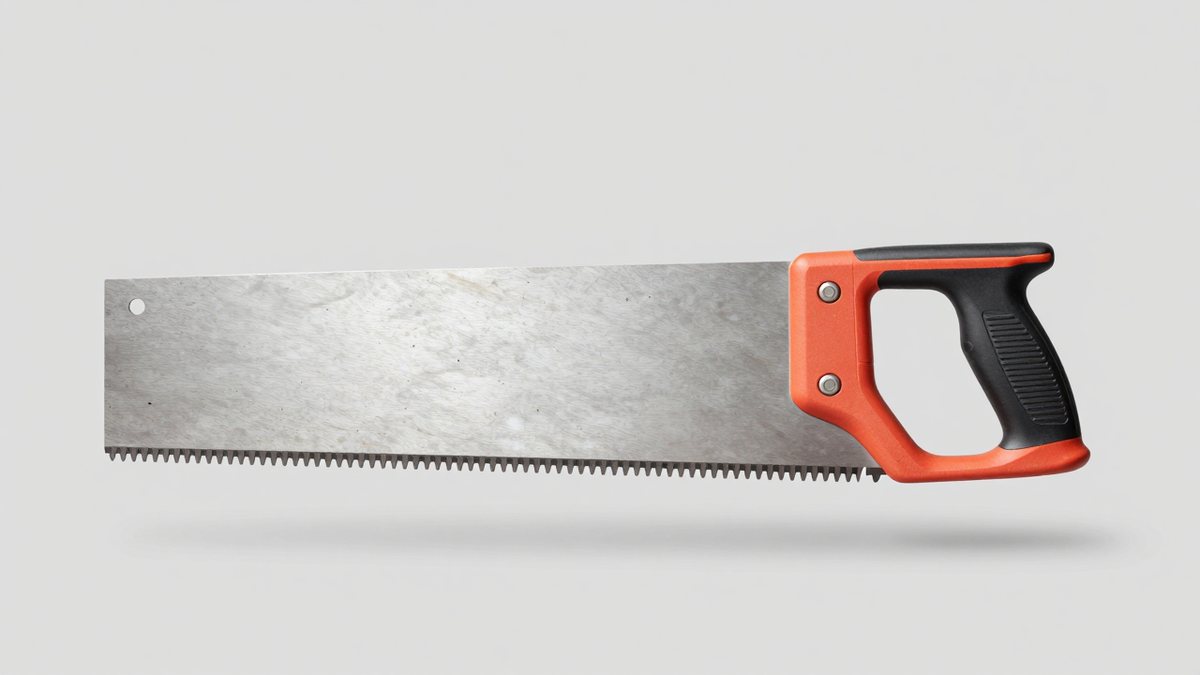
The best DeWalt hand saw depends on the cut: choose a 15-inch fixed saw for general lumber, the DWHT20123 folding jab saw for drywall and compact storage, and a fine-tooth compact or pull saw for trim and finish work. DeWalt’s hand-saw range is less about one universal winner than about matching blade length, tooth pattern, and handle design to the material in front of you.
As an Amazon Associate we earn from qualifying purchases at no extra cost to you.


Our Top Picks


Quick picks by job
- Best all-purpose wood saw: DeWalt 15-inch hand saw, such as the DWHT20544L, with an aggressive general-purpose tooth pattern.
- Best folding option: DeWalt DWHT20123 folding jab saw for drywall openings, plastic packaging, insulation board, and emergency jobsite cuts.
- Best for long framing cuts: A DeWalt 20-inch panel or hand saw with coarser teeth, where the longer blade tracks efficiently through studs and sheet goods.
- Best for trim and compact storage: A short fine-tooth DeWalt saw or pull saw, provided you value control more than fast rough cutting.
DeWalt hand saw comparison
The figures below describe commonly sold DeWalt configurations. Tooth counts and packaging can differ by market, so check the marking on the blade before ordering replacement tools or comparing listings.
| Type or example | Blade length | Typical tooth pattern | Construction | Best suited to |
|---|---|---|---|---|
| DWHT20544L general-purpose hand saw | 15 in | About 9 TPI, aggressive crosscut pattern | Fixed blade, reinforced handle | 2x lumber, plywood, repair work |
| DeWalt 20-inch panel or hand saw | 20 in | About 7 TPI, coarse tooth pattern | Fixed blade | Framing lumber, long cuts, sheet goods |
| DWHT20123 folding jab saw | About 6.5 in cutting blade | Coarse jab-saw teeth | Folding handle, replaceable-style jab blade design | Drywall, wallboard, small openings |
| Compact fine-tooth or pull saw | Approximately 6–10 in | Roughly 12–17 TPI | Short fixed or folding blade | Trim, dowels, molding, controlled cuts |
TPI means teeth per inch. A lower TPI usually removes material faster and clears chips more easily, but leaves a rougher surface. A higher TPI starts more smoothly and produces a cleaner cut, although it is slower in thick stock and more likely to clog in resinous wood.
Fixed versus folding DeWalt hand saws
Fixed-blade saws: faster and more stable
A fixed 15- or 20-inch saw gives you a longer working stroke and a rigid blade. That matters when cutting dimensional lumber, because the blade is less likely to twist when you apply moderate pressure. The longer handle and blade also make it easier to keep a straight line over a long cut.
The disadvantage is storage. A fixed saw needs a toolbox compartment, wall rack, or blade guard. It is also less convenient when climbing a ladder or moving between rooms. A fixed saw should not be carried loose in a tool bag where its teeth can damage other equipment.
Folding saws: compact and useful for openings
The DWHT20123 folding jab saw is the more practical choice when portability matters. Its blade folds into the handle, reducing the exposed cutting edge during transport. The pointed blade can be started in drywall without drilling a large pilot hole, and the compact form works well for service work and punch-list tasks.
Folding construction introduces trade-offs. The hinge and locking mechanism add parts that can collect dust, and the shorter blade limits the depth and speed of a cut. It is excellent for cutting an opening in wallboard; it is not a substitute for a long panel saw when ripping several feet of plywood.
Choose by material and tooth design
Wood and plywood
For ordinary 2x4s, 2x6s, fence boards, and rough plywood, start with a 15-inch general-purpose DeWalt hand saw. Its medium-coarse teeth balance speed and control. Choose a 20-inch coarse saw when the cut is long, the stock is thick, or you frequently work on framing.
For plywood edges, cabinet components, and visible trim, use a finer-tooth saw. Begin with the finished face upward or follow the tool’s tooth-direction instructions, score the cut line first, and support both sides of the material. This reduces splintering more effectively than simply pushing harder.
Drywall
Use the folding jab-saw style for drywall. Its pointed tip makes plunge starts practical, and coarse teeth remove gypsum quickly. Mark the opening on both sides when possible, check for wiring and plumbing before cutting, and use short strokes near corners to avoid tearing the paper face.
A wood hand saw can cut drywall, but it is a poor match: its longer blade is harder to control in a wall opening, and gypsum dust can accumulate between finer teeth.
Jobsite cuts
For a general construction tool bag, the 15-inch saw is the most balanced option. It is long enough for lumber but less awkward than a 20-inch blade in confined spaces. Add the folding jab saw if your work includes drywall, flooring underlayment, insulation board, or frequent service openings.
Decision matrix: which DeWalt hand saw fits your work?
| Your situation | Recommended choice | Reason |
|---|---|---|
| Occasional homeowner repairs and limited storage | 15-inch general-purpose saw | One tool handles common lumber without taking much space |
| Drywall installation or electrical/plumbing access work | DWHT20123 folding jab saw | Pointed tip and folding storage suit plunge cuts |
| Frequent framing and long cuts | 20-inch coarse-tooth saw | Longer stroke improves productivity in thick stock |
| Trim, molding, and exposed edges | Compact fine-tooth or pull saw | Better control and a cleaner cut than aggressive framing teeth |
| Beginner who struggles to start straight | Shorter fine-tooth saw | Shorter blade is easier to guide, though slower |
How to get cleaner, faster cuts
- Mark both the waste side and the final line. The saw removes a kerf, so cutting directly on the visible line can make the finished piece undersized.
- Start with short, light strokes. Establish a shallow groove before using the full blade length. This prevents the teeth from skating across the surface.
- Let the teeth cut. Heavy downward pressure bends the blade, increases friction, and can cause a wandering cut. Use steady strokes and moderate pressure.
- Support the work near the cut. Unsupported plywood can vibrate and tear, while unsupported lumber can pinch the blade.
- Slow down at the exit. Reduce pressure as the blade approaches the far edge to limit breakout and splintering.
Durability and ownership realities
On a DeWalt hand saw, the teeth wear before the handle usually fails. Cutting dirty reclaimed lumber, nail-embedded wood, cement board, or metal can dull them quickly. Keep a dedicated saw for clean wood rather than using the same blade for every material.
After use, brush away sawdust and drywall powder. Do not leave a folding saw packed while wet; moisture around the hinge can cause stiffness and corrosion. A small amount of suitable tool lubricant on the pivot can help, but wipe away excess so it does not collect abrasive dust.
Common mistakes include forcing a fine-tooth blade through thick framing, using a drywall saw to make precision wood cuts, and storing a fixed saw without tooth protection. If the blade begins to buckle despite light pressure, or the teeth produce dust instead of clean chips, replacement is usually more practical than trying to restore the edge.
Final buying advice
For one dependable DeWalt hand saw, choose a 15-inch fixed general-purpose model. Choose the DWHT20123 when compact storage and drywall access are more important than long, fast cuts. Add a 20-inch coarse saw for regular framing, or a compact fine-tooth saw when the appearance of the cut matters. The most useful two-saw combination for many jobs is a 15-inch general-purpose saw plus a folding jab saw: one covers lumber, while the other handles drywall and tight jobsite openings.