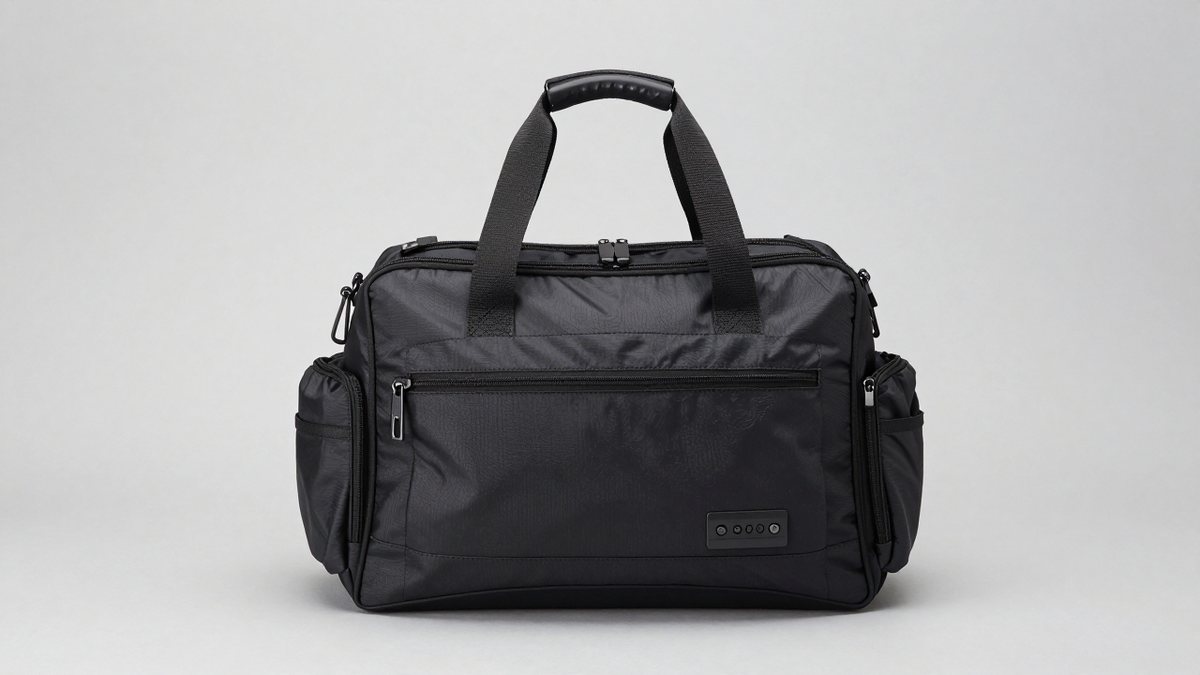
What's inside
As an Amazon Associate I earn from qualifying purchases. This post may contain affiliate links at no extra cost to you.
Our Top Picks


Tool Bag Buying Guide for Beginners: Size, Pockets, and Materials
For a first tool bag, choose a 16–18-inch bag rated for at least 30 pounds, with a reinforced base, a mix of open and covered pockets, and a handle or strap that feels comfortable at your expected load. Go smaller if you carry only a few hand tools; choose a larger bag only if you have a regular reason to transport bulky tools.
Estimate your load before choosing a size
Bag length is only a rough guide to capacity. Two bags of the same length can differ substantially in depth, pocket layout, and usable space. Start by laying out the tools you expect to carry, then group them into three categories:
As an Amazon Associate we earn from qualifying purchases at no extra cost to you.



- Frequent-use hand tools: tape measure, pencils, utility knife, screwdrivers, pliers, and a small square.
- Occasional or bulky tools: hammer, clamps, drill, charger, or a compact saw.
- Consumables: screws, bits, blades, fasteners, and other small items that are easier to organize in cases.
Measure the longest item and check that it will fit inside or in the intended exterior pocket. For capacity, leave roughly 20–30% of the main compartment unfilled. That space makes tools easier to retrieve and helps prevent the bag from becoming an awkward, overloaded lump. Check the manufacturer’s stated load capacity where available; a roomy bag is not automatically built to carry a heavy load.
A practical size comparison
| Typical bag length | Best suited to | Approximate empty weight | Useful load target |
|---|---|---|---|
| 12–14 in | Basic hand tools and occasional home repairs | 1–3 lb | Up to about 15 lb |
| 16–18 in | General-purpose woodworking and home projects | 2–5 lb | About 15–30 lb |
| 20–24 in | Bulky tools, job-site transport, or shared kits | 3–7 lb | About 25–40 lb, if the bag is rated for it |
These are broad planning ranges, not standardized capacities: brands measure bags differently, and actual load limits depend on construction. A bag’s own weight matters too. If you carry it up stairs or between rooms, a heavier, heavily reinforced bag can become inconvenient even when it lasts longer.
Open-top or zippered?
| Design | Choose it when | Trade-off |
|---|---|---|
| Open-top tote | You work at a bench or move tools frequently during a project | Fast access, but contents are exposed to dust, spills, and tipping |
| Zippered bag | You transport tools in a vehicle or store them between projects | Better containment, but opening and closing takes time; a full bag can be harder to access |
| Hybrid or covered tote | You want an open layout with a flap or partial cover for transport | More versatile, though the cover may not seal out fine dust or rain |
For woodworking, an open top is convenient while fitting parts or moving between a workbench and a project. A zipper is useful for keeping loose bits and fasteners from spilling during transport, but it is not a substitute for a dustproof or waterproof case. If you use a zippered design, check that the opening stays accessible when the bag is full and that the zipper does not have to bend sharply around tools.
Check the layout, not just the pocket count
A high pocket count sounds useful, but tiny pockets can be less practical than a few correctly sized ones. Look for pockets that match the tools you own: narrow sleeves for pencils and screwdrivers, wider pockets for pliers or a tape measure, and a secure place for small parts. The main compartment should have enough open space for irregular items without burying everything else.
Before buying, compare the layout with your tool list. Put the tools you reach for most often in exterior pockets, and keep heavier tools low and close to the center. This reduces rummaging and helps the bag sit more steadily. Check whether exterior pockets have reinforced edges: thin fabric around frequently used pockets can stretch, fray, or tear before the rest of the bag wears out.
For sharp tools such as chisels, blades, or marking knives, use individual guards or sleeves rather than letting edges rub against fabric or other tools. Small fasteners are often better kept in lidded organizers inside the bag; loose items can escape through open pockets and collect in the bottom.
Fabric, base, and carry comfort
Fabric and stitching
Common choices include polyester, nylon, and canvas. Heavier fabric and reinforced stitching can improve wear resistance, but denier numbers and fabric labels alone do not tell the whole story. Inspect stress points around handles, strap anchors, pocket seams, and corners. Bar-tacked or otherwise reinforced joins are preferable where the load pulls hardest. A fabric coating may help resist light moisture, but do not assume it makes the whole bag waterproof.
Base construction
The base takes abrasion from concrete, shop floors, and vehicle beds. A molded or rigid base can help the bag stand upright and protect tools from damp ground, while a padded fabric base is lighter and easier to store. Check that a hard base does not make the bag unstable when partly loaded. For woodworking shops, a stable bag that stays open and upright can save time; for occasional household use, a simpler base may be enough.
Handles and straps
Carry comfort depends on the loaded bag, not its empty feel. Handles should be securely attached and wide enough not to dig into your hand. A shoulder strap helps with longer walks, but it can swing against your side and may be awkward when the bag is heavy. If possible, estimate the loaded weight and try lifting a similar load. Do not choose a bag based only on its maximum stated capacity if you will routinely carry it one-handed.
Choose by how you’ll use it
| Your situation | Practical starting choice | Why |
|---|---|---|
| First home repair kit, used a few times a year | 12–14 in zippered bag, simple pocket layout | Compact storage and less chance of small items spilling |
| Regular woodworking at one bench | 16–18 in open-top or covered tote | Easy access without needing to carry every tool at once |
| Tools travel between shop and job site | 16–20 in reinforced zippered bag with a shoulder strap | Better containment and more support during transport |
| Large kit with a drill, charger, and bulky accessories | 20 in or larger, with a verified load rating | More room, provided the added weight remains manageable |
Common ownership mistakes
- Buying too much capacity: Extra room can encourage carrying tools you rarely use. The added weight and clutter make the bag less pleasant to move.
- Ignoring the base: A bag that collapses or tips over can spill tools and slow access, especially on a busy bench.
- Overloading pockets: Stretching a pocket with a heavy tool can damage its seam or distort the bag. Keep the heaviest items in the main compartment.
- Storing damp or dusty tools: Empty the bag periodically, shake out debris, and let it dry fully before storage. Fine sawdust can abrade fabric and collect around zippers.
- Leaving sharp edges exposed: Guards and sleeves help protect both the bag and your hands when reaching inside.
For most beginners, a well-constructed 16–18-inch bag is the most flexible starting point. Make the final choice by matching the opening style and pocket sizes to your actual tools, then confirm the loaded weight will be comfortable to carry.