What's inside
- Start with the space, not the drawer count
- Tool chest sizes compared
- Choose drawer depth for the tools you actually own
- Load capacity: separate total capacity from drawer capacity
- Construction materials and what they mean
- Security features worth paying for
- Decision matrix for common beginner situations
- Features that improve daily use
- Ownership realities and maintenance
- Bottom line
- Related Guides
As an Amazon Associate I earn from qualifying purchases. This post may contain affiliate links at no extra cost to you.
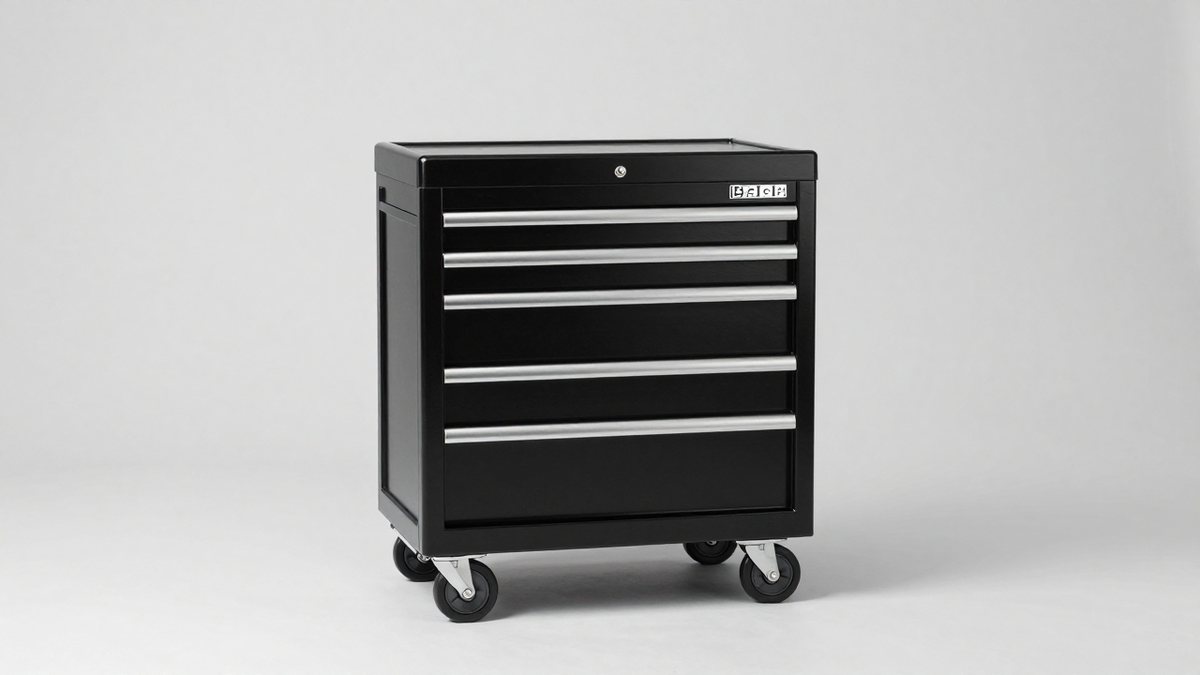
The best tool chest for a beginner is usually a 26- to 34-inch-wide rolling cabinet with drawers at least 2 inches deep, a total load rating of 500–1,000 pounds, and enough clearance to open fully in its permanent workspace.
As an Amazon Associate we earn from qualifying purchases at no extra cost to you.



Our Top Picks


Start with the space, not the drawer count
Measure the area where the chest will live before comparing models. Record the maximum width, depth, and height, then leave room to walk around it and open drawers completely. A chest that fits between two walls may still be unusable if its drawers need 18 inches of clearance to extend.
- Small workshop or apartment garage: Choose a 26- to 30-inch cabinet, generally 18 to 24 inches deep.
- One-car garage: A 36- to 42-inch cabinet offers useful capacity without consuming an entire work bay.
- Dedicated workshop: A 48- to 72-inch cabinet can organize larger hand-tool collections, but check floor strength and moving access.
- Frequent vehicle or job-site use: Consider a compact chest or modular rolling system rather than a large stationary cabinet.
Measure doorways, stair turns, elevator openings, and the distance from the delivery point to the workshop. Empty cabinets are easier to move than loaded ones, but even a medium steel cabinet can weigh 100–250 pounds before tools are added.
Tool chest sizes compared
| Chest type | Typical width | Typical depth | Approximate empty weight | Best for |
|---|---|---|---|---|
| Portable toolbox | 16–24 in. | 8–14 in. | 5–25 lb | Basic household repairs and transport |
| Compact rolling cabinet | 26–34 in. | 18–24 in. | 80–180 lb | Beginners with limited workshop space |
| Medium rolling cabinet | 36–42 in. | 20–25 in. | 130–280 lb | Home garages and growing tool collections |
| Large professional cabinet | 48–72 in. | 24–30 in. | 250–700+ lb | Frequent users and dedicated workshops |
These are typical market ranges rather than guarantees. Product specifications vary, and the advertised width may exclude handles, side cabinets, or a raised top.
Choose drawer depth for the tools you actually own
Drawer count can be misleading. A cabinet with ten shallow drawers may hold fewer useful tools than one with six well-sized drawers. Sort your tools into categories before shopping: screwdrivers and pliers, sockets and ratchets, measuring tools, power tools, fasteners, and bulky equipment.
- 1.5–2.5-inch drawers: Best for wrenches, screwdrivers, hex keys, pliers, bits, and small accessories.
- 3–4-inch drawers: Suitable for ratchets, socket sets, clamps, drill accessories, and boxed hand tools.
- 5–7-inch drawers: Useful for cordless drills, impact drivers, sanders, staplers, and plumbing or automotive equipment.
- 8 inches or deeper: Helpful for bulky items, but heavy tools can overload slides and make the drawer difficult to organize.
Measure the internal drawer height, not just the advertised external dimensions. A drawer labeled 3 inches deep may have less usable space because of the slide mechanism and drawer liner. Full-extension slides are particularly valuable because they let you reach tools at the back without removing the drawer.
Load capacity: separate total capacity from drawer capacity
A cabinet’s total load rating describes the combined weight it can support, while each drawer has its own limit. A 1,000-pound cabinet may still have drawers rated for only 75–100 pounds each. Look for the drawer rating and the rating of the top work surface.
For a beginner, a practical target is at least 50 pounds per small drawer, 75–100 pounds per medium drawer, and 100–200 pounds for a deep bottom drawer. Heavy socket sets, hammers, vises, and power tools should go in low drawers to reduce the risk of tipping.
For example, suppose your tools weigh approximately:
- Hand tools: 70 lb
- Socket and ratchet sets: 45 lb
- Power tools and batteries: 60 lb
- Fasteners and miscellaneous supplies: 25 lb
The collection totals 200 pounds. Adding a 25% growth and safety margin gives 250 pounds: 200 × 1.25 = 250. A cabinet rated for 500 pounds would provide comfortable headroom, while a 250-pound cabinet would leave little capacity for future purchases.
Construction materials and what they mean
Powder-coated steel
Steel is the normal choice for a rolling tool chest because it resists impact and supports heavy drawers. Powder coating protects the surface better than thin paint, but it can still chip where tools strike the edges. Thicker steel generally feels more rigid, though gauge numbers are not always stated consistently between manufacturers. Look for reinforced drawer fronts, welded corners, and limited cabinet flex when drawers are open.
Stainless steel
Stainless steel resists corrosion and is easy to wipe clean, but it usually costs more and is not automatically stronger than a well-built painted-steel cabinet. It is useful in damp workshops or areas where chemicals are common.
Plastic and composite cases
Plastic toolboxes are lighter and easier to carry. They work well for a small household kit, but hinges, latches, and handles usually wear sooner than those on a steel rolling cabinet. Avoid storing heavy tools in a plastic case that will be carried frequently.
Security features worth paying for
A lock prevents casual access but does not turn a rolling chest into a high-security safe. For a home garage, choose a keyed or tubular lock that secures all drawers at once. A lock bar or internal locking rod is preferable to a small latch that protects only one compartment.
Also consider:
- Drawer retention: Drawers should remain closed when the cabinet is moved.
- Lockable casters: At least two casters should lock both rotation and swiveling.
- Anti-tip interlock: Ideally, only one drawer opens fully at a time, reducing forward weight shift.
- Anchor points: Useful if the cabinet will hold expensive equipment or sit on an uneven floor.
- Separate top chest lock: Important when a stack includes a removable upper box.
Do not leave heavy drawers open while moving the cabinet. Locking casters keep a cabinet from rolling during use, but they do not compensate for an uneven floor or excessive weight in upper drawers.
Decision matrix for common beginner situations
| Your situation | Recommended configuration | Why | Typical market range |
|---|---|---|---|
| Occasional home repairs, limited space | Portable box or 26–30-inch rolling cabinet | Low footprint and enough room for basic hand tools | $50–$400 |
| Weekly DIY projects, expanding tool collection | 30–42-inch cabinet, 6–9 drawers, 500+ lb rating | Balances organization, capacity, and garage space | $300–$1,000 |
| Automotive work and heavy socket sets | 36–54-inch cabinet with deep lower drawers | Supports bulky tools and separates heavy items safely | $700–$2,500 |
| Small professional workshop | 48–72-inch cabinet with full-extension slides | Higher capacity and faster access during frequent use | $1,500–$5,000+ |
Features that improve daily use
Full-extension ball-bearing slides are worth prioritizing because they expose the entire drawer. A solid worktop provides a convenient surface for measuring, sorting parts, or assembling small items. A rubber mat protects the top and prevents tools from sliding.
Drawer liners reduce rattling and protect the finish. However, thick liners consume valuable height in shallow drawers, so use thin non-slip material there. Removable side trays, pegboard backs, and power strips can be useful, but avoid paying for accessories that duplicate storage you already have.
For a cordless-tool collection, measure the tool body and battery attached, then allow at least 1 inch of clearance above it. Batteries should not be stored where metal tools can bridge their terminals. A dedicated compartment or original battery case is safer and keeps chargers organized.
Ownership realities and maintenance
The parts most likely to wear are caster bearings, drawer slides, locks, handles, and thin drawer liners. Avoid dragging the cabinet sideways, which can damage casters. Keep the wheels free of sawdust, metal chips, and thread-like debris, and lubricate slides only with a product approved by the manufacturer; excess oil attracts grit.
Wipe spills promptly, especially cutting fluid, brake cleaner, salt, and moisture. Do not use a deep drawer as an unorganized waste bin: concentrated weight can bend the bottom or overload its slides. Place the heaviest tools low, distribute weight across the cabinet, and periodically tighten caster and handle fasteners.
Bottom line
For most beginners, a 26- to 34-inch powder-coated steel rolling cabinet with full-extension slides, several 2- to 4-inch drawers, one or two deeper drawers, locking casters, and a minimum 500-pound total rating is the most adaptable choice. Buy the smallest chest that fits your current tools with roughly 25% spare capacity, then prioritize drawer quality, safe weight distribution, and workspace clearance over a large drawer count.