What's inside
As an Amazon Associate I earn from qualifying purchases. This post may contain affiliate links at no extra cost to you.
For most buyers in 2026, the best Craftsman tool box for the money is a resin VERSASTACK rolling unit paired with a mid-size organizer — it delivers 30+ lbs of rated drawer capacity, IP65-rated sealing on the organizers, and full stacking compatibility for less than half the price of an equivalent metal rolling chest. That said, metal still wins for bench-side drawers that need real slide ratings and rigidity. Below is the head-to-head breakdown so you can match the box to how you actually work.
As an Amazon Associate we earn from qualifying purchases at no extra cost to you.


Our Top Picks


Craftsman Tool Boxes at a Glance
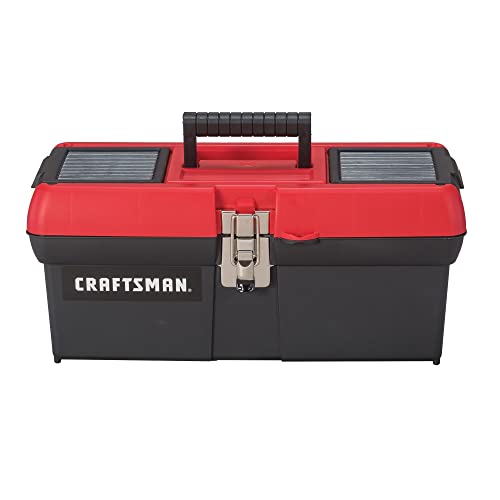
Craftsman’s current lineup splits into two families: resin (part of the VERSASTACK modular ecosystem, which shares heritage with the older VersaStack/STST naming) and traditional steel chests, cabinets, and hand-carry boxes sold under the Craftsman metal line. They behave very differently under load, and the marketing copy rarely makes that clear.
| Type | Typical width | Drawer slide rating | Lid/top load behavior | VERSASTACK compatible | Typical price range |
|---|---|---|---|---|---|
| Metal 26″ 3-drawer chest | ~26 in | ~25–35 lbs per drawer | Rigid; minor flex, safe as a stack base | No | $100–$160 |
| Metal rolling cabinet (26″–41″) | 26–41 in | ~50–100 lbs per drawer (ball-bearing) | Very rigid; supports stacked chests | No | $200–$600+ |
| VERSASTACK rolling unit (CMST17835-type) | ~22 in | One drawer, ~30 lbs | Lid flexes visibly under ~50 lbs of stacked weight | Yes | $60–$90 |
| VERSASTACK deep/organizer boxes | ~17–22 in | N/A (open bin or organizer) | Lid bows under point loads; fine under spread weight | Yes | $25–$50 |
| Metal hand box (13″–20″) | 13–20 in | N/A (tote tray) | Lid resists flex well; hinge pins are the weak point | No | $20–$45 |
Drawer Slides: Where Metal Pulls Ahead
The single biggest functional gap is slide quality. Craftsman’s metal cabinets use ball-bearing slides rated roughly 50–100 lbs per drawer depending on cabinet size, and the friction is low enough that a fully loaded drawer of sockets still opens one-handed. Resin VERSASTACK drawers ride on molded polymer runners — adequate up to about 30 lbs, but the drawer develops a “sawtooth” drag past that and can jump its tracks if yanked open unevenly.
Real-world translation: if your drawer will hold a socket set, hammer drill, and a handful of hand tools (easily 40+ lbs), a resin drawer will feel gritty within months. If it holds sandpaper, caulk, PPE, and consumables — the stuff most people actually put in jobsite boxes — you will never notice the difference.
Lid Flex Under Load: The Stacking Question Nobody Asks
Because VERSASTACK units are designed to carry 2–3 boxes on top, lid rigidity matters more than it does on a standalone box. In practice, the large rolling unit’s lid flexes noticeably once stacked weight exceeds roughly 50 lbs, and the smaller organizer lids bow under point loads — a heavy motor placed dead center is worse than the same weight spread near the rails. The lids never fail outright at rated stack heights, but flex means contents can shift and the side latches work harder than they should.
Metal chests have essentially zero lid flex and happily support a second chest or a tote on top, which is why the classic chest-on-cabinet stack still exists. The trade-off is obvious: a 26″ metal chest plus rolling cabinet weighs 80–120 lbs combined and isn’t moving to a jobsite without help.
VERSASTACK Compatibility: Who It’s For
Every current resin Craftsman box in the modular line — rolling unit, deep tool box, shallow/deep organizers, tote trays, and the half-width organizers — locks together via the same side latches. The metal line has zero VERSASTACK compatibility; you can’t clip a resin organizer onto a metal chest.
This creates a hard fork in the buying decision:
- You move tools between locations (jobsite, friend’s garage, DIY classes): VERSASTACK wins outright. A rolling base plus two boxes stacks and wheels as one unit.
- Your tools stay in one place: metal wins on drawer count, slide life, and per-drawer capacity. Paying for modularity you never unstack is wasted money.
- You want both: a common and cheap setup is a metal cabinet at the bench plus one VERSASTACK deep box as the “go bag” — no compatibility needed.
Which Craftsman Tool Box Fits Your Situation
| Your situation | Best pick | Why |
|---|---|---|
| Apartment DIYer, occasional use, tight storage | 17″ metal hand box or VERSASTACK organizer | Fits under a bench; no wasted capacity |
| Garage woodworker, tools stay put | 26″ metal chest on rolling cabinet | Ball-bearing drawers, 50+ lb ratings, decades of service |
| Weekend jobsite warrior | VERSASTACK rolling unit + deep box | Wheels, IP65-sealed organizers, one-trip hauling |
| Heavy hand-tool collection (sockets, wrenches, planes) | Metal cabinet, 41″ if space allows | Resin drawers degrade past ~30 lbs per drawer |
| Budget under $75 | VERSASTACK rolling unit alone | Highest capacity-per-dollar; expand later by clipping on boxes |
The Cost-Per-Use Math
A quick calculation shows why resin usually wins “for the money.” Take a hobbyist who hauls tools twice a month for five years — 120 trips:
- VERSASTACK rolling unit + deep box (~$110 total): roughly $0.92 per trip, and the wheels mean it’s actually used for every trip.
- Metal chest + cabinet (~$400): $3.33 per trip, and realistically the chest gets carried a handful of times because it weighs 60+ lbs loaded — the effective per-trip cost is far higher.
Flip it for stationary use: that same $400 cabinet over 15 years of daily opening is about $0.07 per day, and the slides will still be smooth. The resin box’s polymer runners and latches are the parts that wear first — expect the latches to loosen after a few hundred open/close cycles under heavy stack weight, though they rarely break outright.
Ownership Realities
- What wears first: on resin boxes, the side latches and the telescoping handle on the rolling unit. On metal, the drawer liners slide and wrinkle, and cheap casters develop flat spots — replacement casters are cheap and universal.
- Common mistake: stacking a deep, fully loaded box on top of a shallow organizer. Put heavy boxes lowest in the stack; lid flex and tipping both get worse the higher the weight rides.
- Cleaning: resin boxes hose out fine; the IP65 gasket on organizers needs a wipe and occasional silicone wipe to keep sealing. Metal boxes need their slides cleaned and re-greased yearly if you work around sawdust — wood dust packs into ball-bearing races fast.
- Rust: keep silica packs in metal chests in humid garages; resin obviously can’t rust but UV will chalk the lids if stored in direct sun.
Bottom Line
Buy resin VERSASTACK if your tools move and you want modularity; buy metal if drawers, slide ratings, and decades-long durability matter more than portability. The honest “for the money” answer for most homeowners in 2026 is the VERSASTACK rolling unit as a starter — it’s expandable, cheap, and covers 80% of use cases. Serious hand-tool weight belongs in a 26″+ metal cabinet, where it will outlive the resin alternative by a wide margin.