What's inside
- Best compact tool bag: the short answer
- Compact tool bags compared
- Head-to-head: open-top bag versus compact backpack
- What to look for when choosing the best compact tool bag
- Decision matrix by project and storage situation
- How to pack a compact bag without wasting space
- Durability and ownership realities
- Final recommendation
- Related Guides
As an Amazon Associate I earn from qualifying purchases. This post may contain affiliate links at no extra cost to you.
The best compact tool bag for most small repair and woodworking jobs is a 12- to 14-inch soft-sided bag with a semi-rigid opening, a protected base, and 10 to 20 usable pockets; among established options, the Klein Tools 55421BP-14 suits a larger hand-tool kit, while a basic 12-inch open-top bag is better for inexpensive, occasional repairs.
As an Amazon Associate we earn from qualifying purchases at no extra cost to you.


Our Top Picks
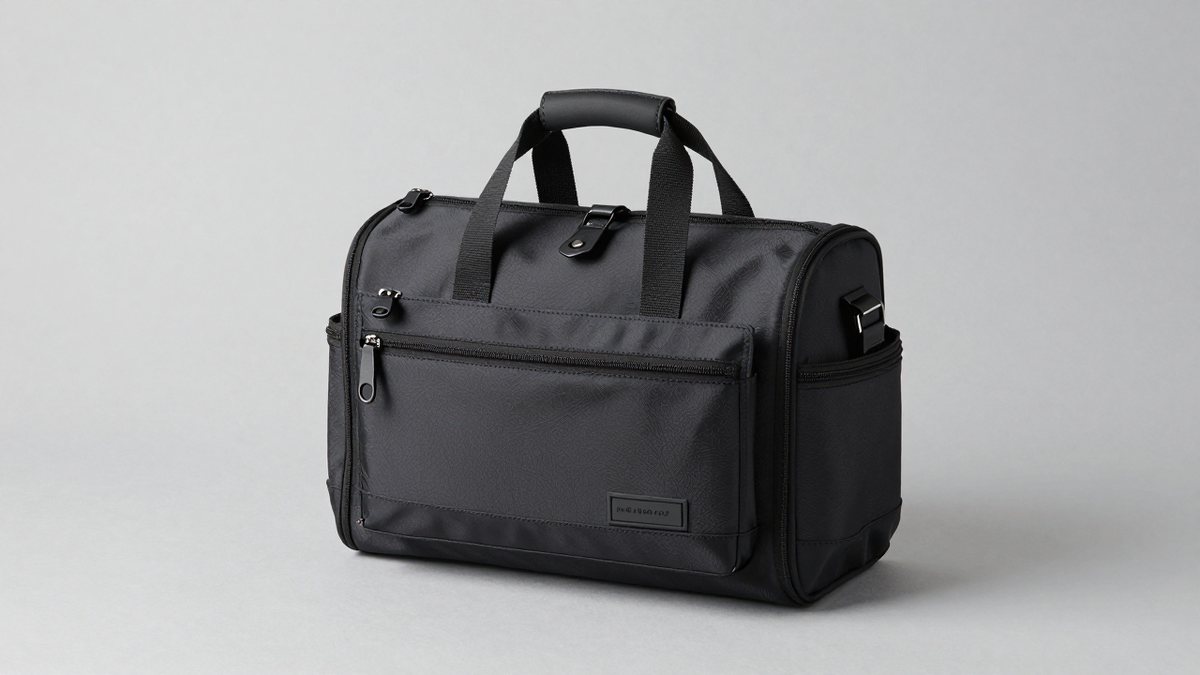
 Rexmore Tactical Electrician & HVAC Tool Chest Bag12.6 x 7.87 x 4.72 inches12.6 x 7.87 x 4.72 InchesCheck on Amazon


Best compact tool bag: the short answer
Choose a compact open-top bag if you carry a hammer, screwdrivers, pliers, tape measure, utility knife, and a few bits. Choose a structured backpack if you regularly carry cordless-drill batteries, a charger, and extra measuring tools. For small woodworking, prioritize a wide opening and a flat base over the highest pocket count: narrow pockets can consume space without accepting useful tools.
- Best for a complete repair kit: Klein Tools 55421BP-14 backpack.
- Best for a simple, low-cost kit: a 12-inch open-top canvas or polyester tool bag.
- Best for woodworking hand tools: a 14- to 16-inch structured tool bag with a rigid mouth and reinforced base.
- Best for tight storage: a soft 10- to 12-inch bag with a collapsible body and no bulky molded frame.
Compact tool bags compared
| Type or example | Approximate outside size | Weight | Useful capacity | Pocket layout | Best use |
|---|---|---|---|---|---|
| Basic 12-inch open-top bag | 12 x 6 x 8 inches | 1 to 1.5 lb | 8 to 15 liters | 4 to 10 exterior pockets | Occasional household repairs |
| Structured 14-inch tool bag | 14 x 7 x 9 inches | 2 to 3 lb | 12 to 20 liters | 10 to 20 pockets, often with a central compartment | Frequent repair and woodworking kits |
| Klein Tools 55421BP-14 backpack | About 14 x 7 x 16.5 inches | About 5 lb | Roughly 20 to 25 liters | Multiple internal and external pockets | Large hand-tool and electrical repair kit |
| 16-inch contractor-style bag | 16 x 8 x 10 inches | 2.5 to 4 lb | 18 to 28 liters | 15 to 30 pockets | Mixed tools and cordless accessories |
Dimensions are normally measured at the outside of the bag, not the usable interior. Padding, dividers, curved panels, and exterior pockets can reduce the main compartment by 15 to 30 percent. A bag advertised as 12 inches wide may accept only a 10-inch level or saw once the zipper and side walls are taken into account.
Head-to-head: open-top bag versus compact backpack
Open-top bag
An open-top bag wins for speed. You can see the hammer and pliers immediately, place the bag beside a workbench, and pull it from a shelf without opening a full zipper. Its low weight also leaves more of the carrying capacity available for tools. A 12-inch version is usually enough for a basic repair kit.
The disadvantages are exposed contents, less protection from dust, and poorer organization when the bag is filled beyond about 70 percent. Small drill bits and fasteners tend to fall to the bottom unless they are stored in a separate case.
Compact backpack
A backpack distributes weight better when you need both hands free or must walk between rooms or job sites. The Klein Tools 55421BP-14, for example, is substantially taller than a small open-top bag and provides room for a broader hand-tool selection. Its drawback is size: a backpack that carries comfortably on your back may not fit neatly on a narrow shelf or in a crowded tool drawer.
Backpacks also have more zippers, seams, padding, and internal dividers. Those features improve organization but add weight and create more parts that can eventually wear. They are worthwhile when the bag is used weekly; they are unnecessary for a screwdriver-and-tape-measure kit.
What to look for when choosing the best compact tool bag
1. Measure the tools before buying
Lay out the tools you carry most often and measure the longest three items. A compact general-purpose kit commonly needs:
- 7- to 10-inch screwdrivers and pliers
- A 16- or 25-foot tape measure
- A 12- to 16-ounce claw hammer
- A utility knife and bit holder
- A small adjustable wrench
- A compact level
- Safety glasses, pencils, and a small fastener container
For this list, look for a main compartment at least 10 inches long, 5 inches wide, and 7 inches high. For woodworking, add clearance for a block plane, marking gauge, small square, or chisels. A 14-inch bag is usually a more practical minimum if those tools travel together.
2. Judge pockets by shape, not count
Pockets are useful only when they match the tools. Two deep, open exterior pockets are often better than eight narrow slots. Narrow sleeves work well for screwdrivers, pencils, and hex keys, but they are frustrating for thick-handled pliers or a cordless drill.
Look for one wide pocket for a tape measure, two or three medium pockets for pliers and wrenches, and at least one secure compartment for blades, bits, or small fasteners. A fully closed main compartment is useful for preventing loose contents from spilling when the bag is placed on its side.
3. Check fabric and the base
Polyester fabric around 600 denier is adequate for light household use. For frequent job-site use, 1,000- to 1,680-denier polyester or ballistic nylon offers better abrasion resistance, particularly around the corners. Fabric alone does not determine durability: stitching, binding tape, zipper quality, and the base matter just as much.
A waterproof molded base protects against a damp floor and reduces abrasion. A fabric base is lighter and collapses more easily for storage, but it should have reinforced panels or heavy binding at the corners. The first failures on inexpensive bags are commonly worn bottom corners, stretched pocket openings, broken zipper pulls, and handles that separate from the side panels.
4. Consider carrying comfort
For loads under about 8 pounds, a padded hand handle is usually sufficient. If the loaded bag approaches 10 to 15 pounds, a wide shoulder strap or backpack harness becomes more comfortable. A shoulder strap should attach to reinforced points rather than thin pocket fabric, and its pad should be long enough to stay on the shoulder without pressing into the neck.
Do not confuse a comfortable empty bag with a comfortable loaded bag. Put your expected tools inside, lift it by the handle, and check whether the opening collapses, the base twists, or the contents pull against the zipper.
Decision matrix by project and storage situation
| Your situation | Recommended size | Preferred design | Why |
|---|---|---|---|
| Infrequent repairs and a limited budget | 10 to 12 inches | Simple open-top polyester bag | Low cost, low weight, enough room for core hand tools |
| Apartment or workshop with very little storage | 10 to 12 inches | Collapsible bag with a flat or removable base | Stores in a cabinet or drawer more easily |
| Weekly household maintenance | 12 to 14 inches | Structured bag with 10 to 20 practical pockets | Balances organization and capacity |
| Small woodworking projects | 14 to 16 inches | Wide-mouth bag with reinforced base | Accepts longer layout tools and handles heavier tools |
| Frequent travel between work areas | 14-inch backpack | Padded harness and closed compartments | Leaves both hands free and distributes weight |
How to pack a compact bag without wasting space
- Put heavy tools low and near the center. This prevents the bag from tipping and reduces strain on the handle.
- Use exterior pockets for frequently used tools. Keep the tape measure, pencil, utility knife, and screwdrivers accessible.
- Group small items in one zippered pouch. Bits, blades, driver adapters, and fasteners otherwise occupy every gap.
- Keep sharp edges covered. Chisels and utility blades can damage pocket fabric and cause hand injuries during retrieval.
- Leave about 20 percent of the volume empty. A bag packed completely full is harder to close, harder to carry, and more likely to damage its seams.
As a practical example, a 12-liter bag should carry approximately 9 to 10 liters of tools if you want easy access. The remaining space is not wasted: it allows tools to be returned without carefully rearranging every pocket.
Durability and ownership realities
Clean sawdust and grit from the bag regularly because abrasive dust works into zipper teeth and seam folds. Empty the bag before turning it upside down, brush it out with a soft brush, and wipe coated or molded bases with a damp cloth. Avoid storing wet tools inside; moisture trapped against fabric can encourage corrosion on tools and weaken some coatings.
Do not carry power tools by a thin internal divider, and do not overload screwdriver sleeves with several thick tools. These habits stretch the pocket openings and pull stitching away from the body. If a zipper begins catching, remove grit rather than forcing it. A small amount of manufacturer-approved zipper lubricant can help, but oily products may attract more dust.
Final recommendation
For the smallest and least expensive repair kit, buy a 10- or 12-inch open-top bag with a reinforced base and a few wide pockets. For a regular household kit, a structured 12- to 14-inch bag is the best compromise between access, capacity, and storage. For small woodworking projects, choose the 14- to 16-inch size and verify the internal length before buying. Select a compact backpack such as the Klein Tools 55421BP-14 only when its extra capacity and hands-free carrying justify its greater weight and shelf footprint.