What's inside
As an Amazon Associate I earn from qualifying purchases. This post may contain affiliate links at no extra cost to you.
Our Top Picks
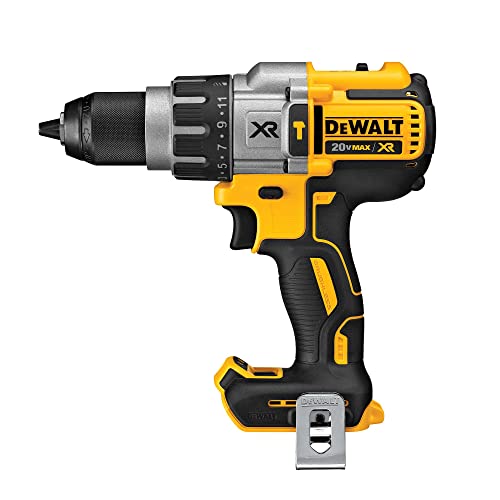
 DEWALT 20V MAX XR 1/2 Inch Brushless CordlessOne Size15.5 x 4 x 8.5 Inches4.96 PoundsCheck on Amazon

Quick verdict
The Milwaukee 2904-20 and DeWalt DCD996 are 18V/20V-class cordless hammer drills for demanding drilling and fastening, sold as bare tools. The Milwaukee is the more compact choice, with a newer-generation design and an added electronic safety clutch. The DeWalt remains a capable, powerful drill, especially if you already own its 20V MAX batteries and value its three-speed gearbox.
Neither drill is automatically the better buy. For frequent overhead work, tight spaces, or new purchases within either battery system, the 2904-20 has a practical edge. For occasional masonry holes or general drilling with existing DeWalt batteries, the DCD996 can do the job without requiring a platform switch. For repeated large holes in concrete, neither is a substitute for a rotary hammer.
As an Amazon Associate we earn from qualifying purchases at no extra cost to you.


Specifications that matter on the job
| Feature | Milwaukee 2904-20 | DeWalt DCD996 |
|---|---|---|
| Battery platform | M18, 18V nominal | 20V MAX, 18V nominal |
| Maximum speed | 0–2,100 rpm | 0–2,000 rpm |
| Hammer rate | Up to 33,000 blows per minute | Up to 38,250 blows per minute |
| Gearbox | Two speeds | Three speeds |
| Chuck | 1/2-inch metal, ratcheting | 1/2-inch metal, ratcheting |
| Notable feature | AUTOSTOP control for binding | Three-position LED work light |
Specifications are not a clean measure of drilling speed. Bit type, battery condition, material, and how steadily the user feeds the tool all matter. Milwaukee’s AUTOSTOP is designed to reduce rotation when the drill binds; it is a useful safeguard, not a replacement for a side handle or sound technique. DeWalt’s higher published hammer rate does not make it a rotary hammer.
Drilling and fastening performance
In wood, both drills have enough power for common construction work, including spade-bit holes and larger twist-bit work. Use the low gear for larger bits and controlled starts; high gear is for smaller bits and faster drilling. A hole saw or large auger can stall either drill if you force it, use a dull cutter, or let chips pack into the cut. Keep the side handle fitted for high-torque drilling, and ease off when the bit starts to grab.
The DCD996’s three-speed transmission gives more control over speed and torque than Milwaukee’s two-speed setup. That is useful when a particular bit works best at an intermediate speed. The 2904-20 counters with a higher stated top speed and a more compact body. In routine drilling, the difference is less important than choosing the right gear and bit. If your work regularly involves large holes, compare the complete kit and battery capacity, not just the bare-tool price.
Both have hammer modes for occasional holes in brick, block, or similar masonry. For small anchor holes, use a masonry bit, steady pressure, and let the hammer action do the work. These drills rely on a mechanical hammering action, which is less effective in concrete than the electro-pneumatic action of a rotary hammer. If you need many holes, larger anchors, or work in hard concrete, buy a cordless rotary hammer instead. Forcing either drill through that kind of work wastes time and can overheat the bit and tool.
Handling, safety, and visibility
The 2904-20’s shorter profile is helpful between studs, inside cabinets, and overhead. Its electronic anti-kickback feature can limit a sudden reaction when a bit binds, but it may interrupt work if the drill detects an abrupt rotation. Keep your grip balanced and use the auxiliary handle for demanding holes. No electronic feature makes a high-torque bind harmless.
The DCD996 is larger, but its three-position LED includes a bright work-light mode that can help in dim areas. That light is useful for seeing a mark; it does not replace a separate area light when you need to inspect the whole work surface. Both tools have metal chucks and multiple clutch settings for fastening. Set the clutch low enough to avoid stripping screw heads or burying fasteners, then increase it only as needed.
Battery platform and total cost
Battery compatibility is often the deciding factor. A bare tool is good value only if you already have suitable batteries and a charger, or can buy them at a sensible kit price. A high-demand drill benefits from a healthy, higher-capacity pack, especially for large bits or extended hammer drilling. Small or worn batteries can cut runtime and trigger more frequent pauses, regardless of the drill’s advertised power.
If you own neither platform, compare the cost of the drill, two batteries, and charger rather than choosing on bare-tool price. If you already have several DeWalt 20V MAX packs, the DCD996 may be the economical choice even if the Milwaukee is more appealing on paper. Likewise, M18 owners should weigh the 2904-20 against the cost of staying on their existing system. Search for a hammer drill kit with batteries and charger if you need a complete setup.
Which one should you buy?
Choose the Milwaukee 2904-20 if compact size, reduced risk during a bind, and the M18 platform fit your work. It is a strong pick for carpenters, remodelers, and installers who drill in awkward positions and regularly switch between wood, metal, and occasional masonry.
Choose the DeWalt DCD996 if you already own compatible batteries, want the extra gearbox speed, or find it at a substantially lower price. It remains a serious jobsite drill; the cheaper option is fine for everyday wood and metal drilling and occasional small masonry holes. Spend more only if the Milwaukee’s size, safety control, or platform compatibility solves a real problem for you.
Whichever you buy, match the bit to the material, keep bits sharp, and stop if the tool repeatedly stalls or overheats. For prolonged drilling in masonry, step up to a rotary hammer; for ordinary mixed drilling and driving, either of these drills is capable when used within its limits.