What's inside
As an Amazon Associate I earn from qualifying purchases. This post may contain affiliate links at no extra cost to you.
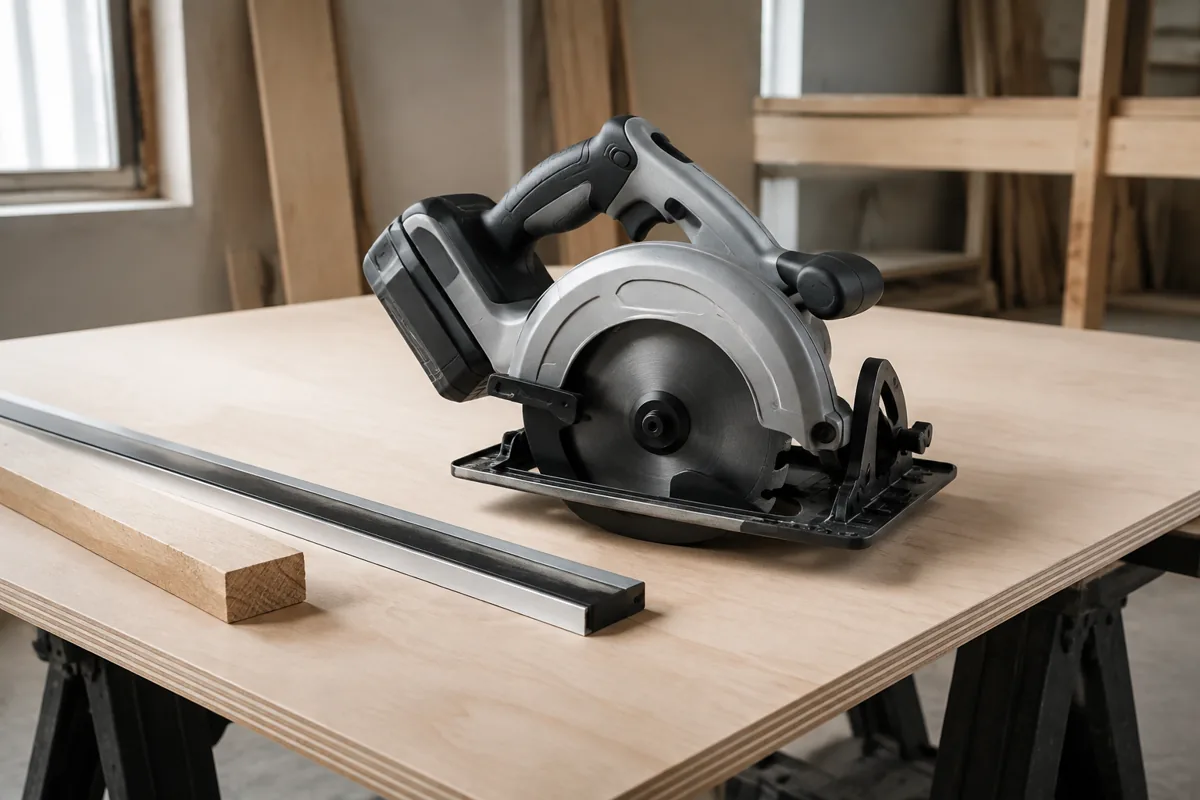
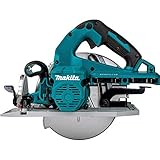
The Makita XSH08 and Milwaukee 2732 are 7-1/4-inch rear-handle cordless circular saws built for long cuts in sheet goods and framing lumber. Either can cut concrete forms, but neither is a concrete saw: these are for wood formwork, not cured concrete, masonry, or cutting through rebar. For ordinary form panels, the deciding factors are your battery platform, how often you make long cuts, and whether the saw’s weight and handling suit your setup.
As an Amazon Associate we earn from qualifying purchases at no extra cost to you.



Our Top Picks


At a glance
| Detail | Makita XSH08 | Milwaukee 2732 |
|---|---|---|
| Blade diameter | 7-1/4 in. | 7-1/4 in. |
| Maximum cut at 90° | 2-5/8 in. | 2-1/2 in. |
| Maximum cut at 45° | 1-13/16 in. | 1-7/8 in. |
| Battery platform | Makita 18V X2 LXT (two 18V batteries) | Milwaukee M18 (one 18V battery) |
| Brake | Electric brake | Electric brake |
| Best fit | Crews already using Makita 18V X2 tools | Crews already using M18 tools |
Cut capacities are manufacturer specifications; actual results depend on blade, setup, and material. Both saws can cut typical 1-1/2-inch-thick form lumber at 90 degrees. The Makita’s slightly greater 90-degree depth is unlikely to decide a formwork job, while Milwaukee has a small advantage in listed 45-degree depth.
How they work on concrete forms
Rear-handle saws put the main grip behind the motor, which can make it easier to guide a long cut along a sheet edge. That layout is useful when breaking down plywood or OSB for form panels, cutting 2-by stock, or trimming stakes and braces. Both saws use a standard 7-1/4-inch blade, so you can fit a sharp framing blade suited to the material rather than relying on a specialty system.
Concrete-form lumber is often wet, dirty, or loaded with grit. That raises the chance of a blade binding or wearing quickly, especially when cutting through knots or multiple pieces. Support the offcut, keep the shoe flat, and let the blade reach speed before entering the cut. Do not twist the saw to correct a wandering line; that can pinch the blade and kick the saw back. If a cut needs to pass through cured concrete, use a concrete-rated saw and blade instead.
Power, batteries, and runtime
The XSH08 uses two Makita 18V LXT batteries together. That gives it a higher-voltage setup than a single-battery 18V saw, but it also means you need two compatible packs available for each cutting session. The 2732 runs on one M18 battery, which is simpler if your crew already has M18 packs and chargers on site. Battery capacity and condition matter: a small or aging pack can sag sooner under repeated cuts in thick, wet stock.
Neither saw’s advertised speed or power number tells you how many cuts you will get in real form lumber. Species, moisture, blade sharpness, and cutting pace all change the result. For a handful of panels, either saw with a charged battery and a sharp blade is enough. For a day of repetitive cutting, have spare batteries ready and swap before a pack is nearly empty; a slowing blade is more likely to bind and makes rougher cuts.
Handling and cut quality
These are substantial saws compared with compact sidewinder models. The rear-handle format can feel balanced on long, straight cuts, but it is not automatically easier for every user: the grip position and overall size can be awkward when trimming short pieces or working overhead. Try the grip and trigger reach in person if possible, especially if you have smaller hands or expect to make many cuts from a ladder or scaffold.
For square form panels, mark the cut clearly and use a straightedge or guide when accuracy matters. A framing blade will cut quickly but can leave a rougher edge than a finer-tooth blade. On forms, speed and durability usually matter more than furniture-grade finish. Check that the blade is installed in the correct direction and that the shoe is set to 90 degrees before starting a run; a small bevel error can leave panels that do not meet cleanly.
Which saw should you buy?
Choose the Makita XSH08 if your crew already runs Makita 18V LXT batteries and can keep two packs available for the saw. Its extra listed depth at 90 degrees is a modest benefit when stock is thicker than a single 2-by, but it is not a reason by itself to switch platforms.
Choose the Milwaukee 2732 if you already own M18 batteries or want to keep the saw on a one-battery platform. For routine form panels and framing cuts, the difference in depth capacity is negligible. If one option is meaningfully cheaper as a bare tool and you already own its batteries, the cheaper one is fine; buying a new battery ecosystem can cost more than the saw.
If you are buying into either platform, compare the tool-only price with a kit that includes batteries and a charger. For occasional use, a corded saw may be cheaper and avoids battery-runtime concerns; for frequent site work, browse corded 7-1/4-inch circular saws. Either way, budget for a spare blade: a 7-1/4-inch framing blade that is sharp and appropriate for the material will affect the cut more than a small difference between these saws.
Safe setup for form cuts
Clamp or support the work so the kerf cannot close on the blade, and keep the blade clear of the ground, trestles, and hidden fasteners. Form lumber may contain nails or screws from previous use; inspect reused material and replace a blade that has struck metal, shows chipped teeth, or starts cutting slowly. Wear eye and hearing protection, and control dust when cutting treated or engineered sheet goods. If a blade binds, release the trigger and wait for it to stop before backing the saw out.