What's inside
As an Amazon Associate I earn from qualifying purchases. This post may contain affiliate links at no extra cost to you.
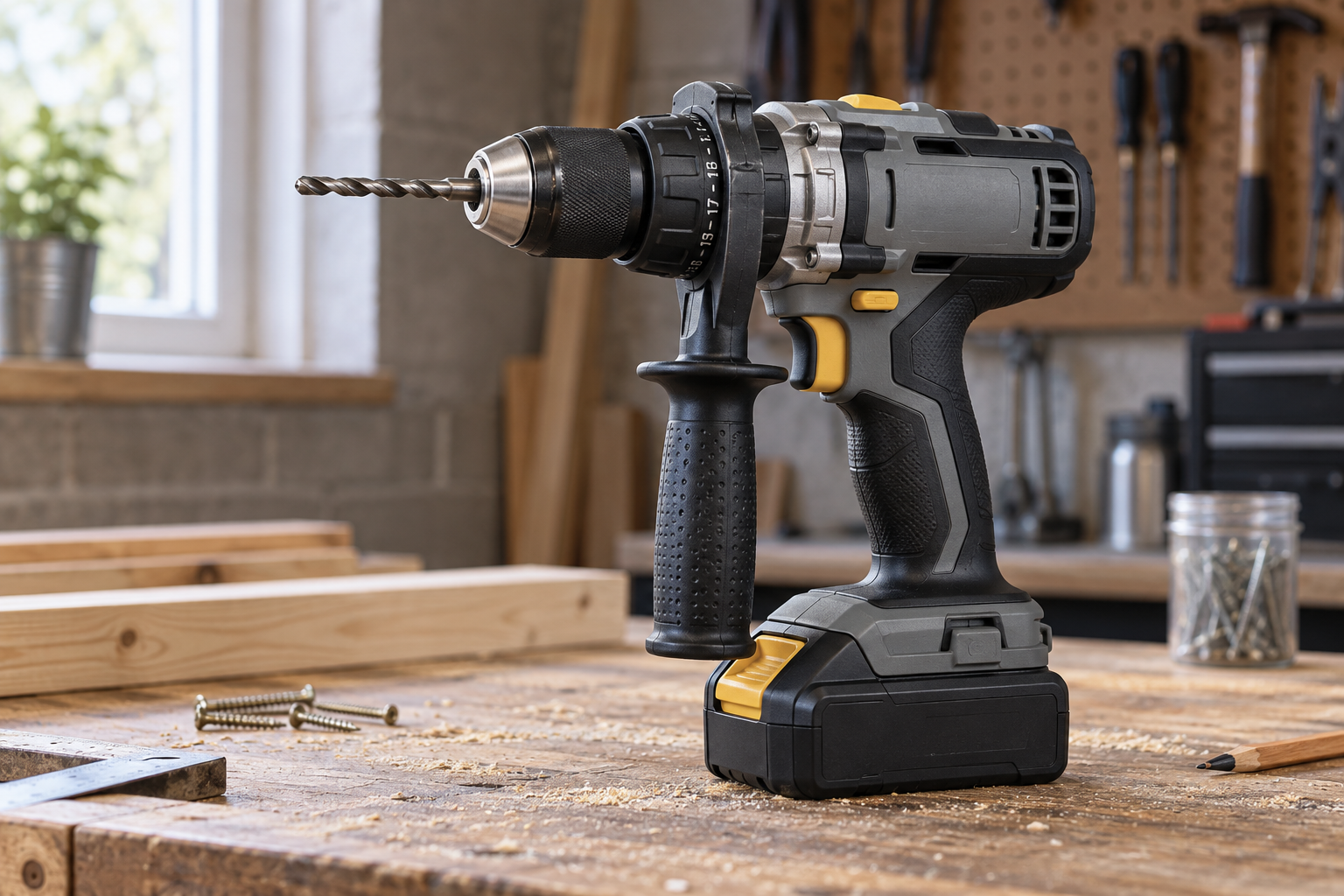
The Ryobi PBLHM101 and Ridgid R86115 are compact, 18-volt brushless hammer drills aimed at homeowners and tradespeople who want more drilling power than a basic drill/driver without stepping up to a premium-priced kit. Both can drill wood, metal and masonry, and both have a two-speed gearbox, clutch and hammer mode. The practical difference is less about headline power and more about which battery system you already own, how the tools feel in your hand, and what the current kit includes.
As an Amazon Associate we earn from qualifying purchases at no extra cost to you.


Our Top Picks

Specs at a glance
| Feature | Ryobi PBLHM101 | Ridgid R86115 |
|---|---|---|
| Platform | 18V ONE+ | 18V |
| Motor | Brushless | Brushless |
| Speeds | Two-speed gearbox | Two-speed gearbox |
| Chuck | 1/2-inch keyless | 1/2-inch keyless |
| Modes | Drill, drive and hammer drill | Drill, drive and hammer drill |
| Best fit | Existing Ryobi ONE+ owners and general home use | Existing Ridgid 18V owners and heavier routine drilling |
Both are sold in different configurations, so check the listing before comparing prices: a bare tool is not the same value as a kit with a battery and charger. Battery capacity also affects weight and runtime. The table avoids quoting torque figures that can vary by source or refer to different test methods; advertised torque is not a reliable substitute for performance in your material.
Drilling and driving in real jobs
The hammer setting adds a rapid forward-and-back action for drilling small holes in brick, block and other masonry. It is not a replacement for a rotary hammer when the job involves large holes, hard concrete, or repeated drilling overhead. For occasional anchors in a brick wall, either drill can be a sensible choice with a sharp masonry bit and steady pressure.
In wood and metal, turn hammer mode off. Use low gear for large bits, hole saws and driving tasks that need control; use high gear for smaller bits where speed matters. A 1/2-inch chuck accepts common jobsite bits, but a drill’s ability to hold a large bit does not mean it is comfortable or appropriate for every large-hole job. If a bit binds, the drill can twist hard enough to injure your wrist. Keep two hands on it, brace yourself, and avoid loose clothing or a grip that traps your hand against the work.
For screws, the clutch matters more than maximum power. Start at a low setting and increase it only until the fastener seats. Hammer drills are heavier and less refined for repetitive cabinet or furniture assembly than compact drill/drivers. If most of your work is fastening, a lighter drill/driver is usually the better daily tool.
Handling, batteries and ownership cost
These are not small pocket drills. A larger battery improves runtime but adds weight and can make the tool tiring when drilling above shoulder height. A compact battery makes more sense for short runs of pilot holes and light fastening; keep a higher-capacity pack ready for long drilling sessions. If you already own several batteries, staying on that platform can outweigh a modest difference in bare-tool price.
Ryobi’s main value is the breadth of its ONE+ lineup, which includes tools for household repairs, yard work and DIY projects. Ridgid may be more attractive if you already have compatible 18V batteries and value its service and warranty terms. Read the current warranty conditions and registration requirements rather than assuming coverage transfers automatically or applies equally to every kit component.
Brushless motors avoid carbon-brush wear and generally use battery power more efficiently than comparable brushed designs. They still need sensible use: dust, heat, a damaged chuck and overloaded bits can shorten a drill’s life. Clear dust from the vents, let a hot tool cool, and stop if the motor slows sharply rather than forcing it through a jam.
Which one should you buy?
Choose the Ryobi PBLHM101 if you already own ONE+ batteries, want one drill for home repairs and occasional masonry, or find the Ryobi kit at a better total price. It is enough for hanging shelves, assembling outdoor projects, drilling pilot holes and making occasional small anchor holes in masonry. Paying extra for a more powerful drill does not help much if your jobs are short and your bits are appropriate.
Choose the Ridgid R86115 if you are already invested in the Ridgid 18V system or expect more frequent drilling and want to compare the tool’s grip, balance and kit value in person. Either way, handle the drill before buying if possible. A side handle is useful for demanding work, but it does not eliminate the risk of kickback. For sustained concrete drilling or larger anchor holes, consider a cordless rotary hammer instead of leaning harder on a hammer drill.
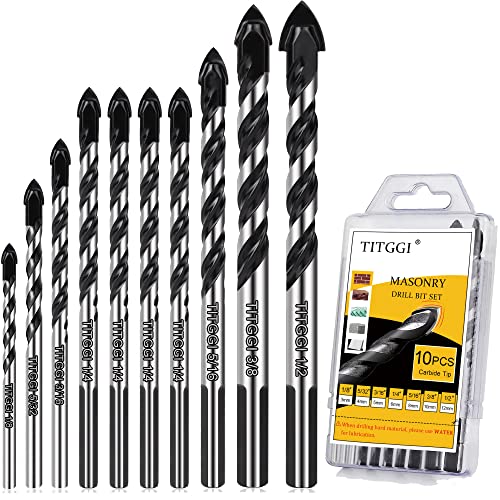
For occasional masonry, buy a proper masonry bit set and let the hammer action do the work. Dull bits, excessive pressure and trying to drill too large a hole are common reasons these drills run hot or make slow progress. For a buyer starting from scratch, compare the complete battery-and-charger package—not just the bare tool—and weigh the cost of the next few tools you expect to add to the same platform.