What's inside
As an Amazon Associate I earn from qualifying purchases. This post may contain affiliate links at no extra cost to you.
A cordless hammer drill is usually the better buy for occasional holes in brick and general home repairs. A rotary hammer is the better tool when you need larger or deeper holes, have many holes to drill, or encounter hard masonry that makes a hammer drill crawl. The difference is not simply battery power: the two tools use different hammering mechanisms, and that changes how quickly and comfortably they work.
As an Amazon Associate we earn from qualifying purchases at no extra cost to you.


Our Top Picks
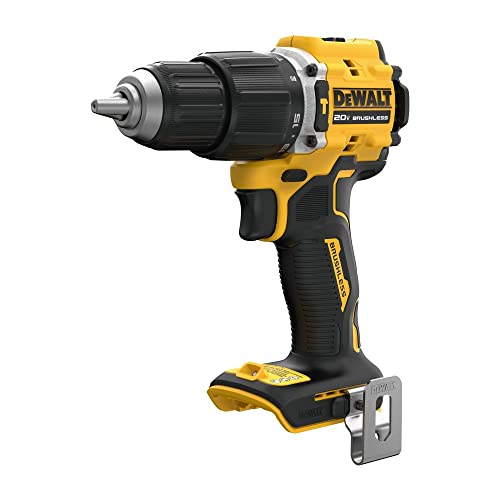
 DEWALT 20V MAX XR 1/2 Inch Brushless CordlessOne Size15.5 x 4 x 8.5 Inches4.96 PoundsCheck on Amazon
 DEWALT 20V MAX SDS Plus Rotary Hammer DrillOne Size11.35 x 8.5 x 10.7 Inches4.59 PoundsCheck on Amazon

How the hammering mechanisms differ
A hammer drill adds a rapid, relatively light impact as two toothed plates move against each other. The bit both rotates and vibrates forward, but the blows are small. This works well in brick and softer masonry when paired with a sharp masonry bit. Hammering can usually be switched off, so the same tool can drive screws or drill wood and metal.
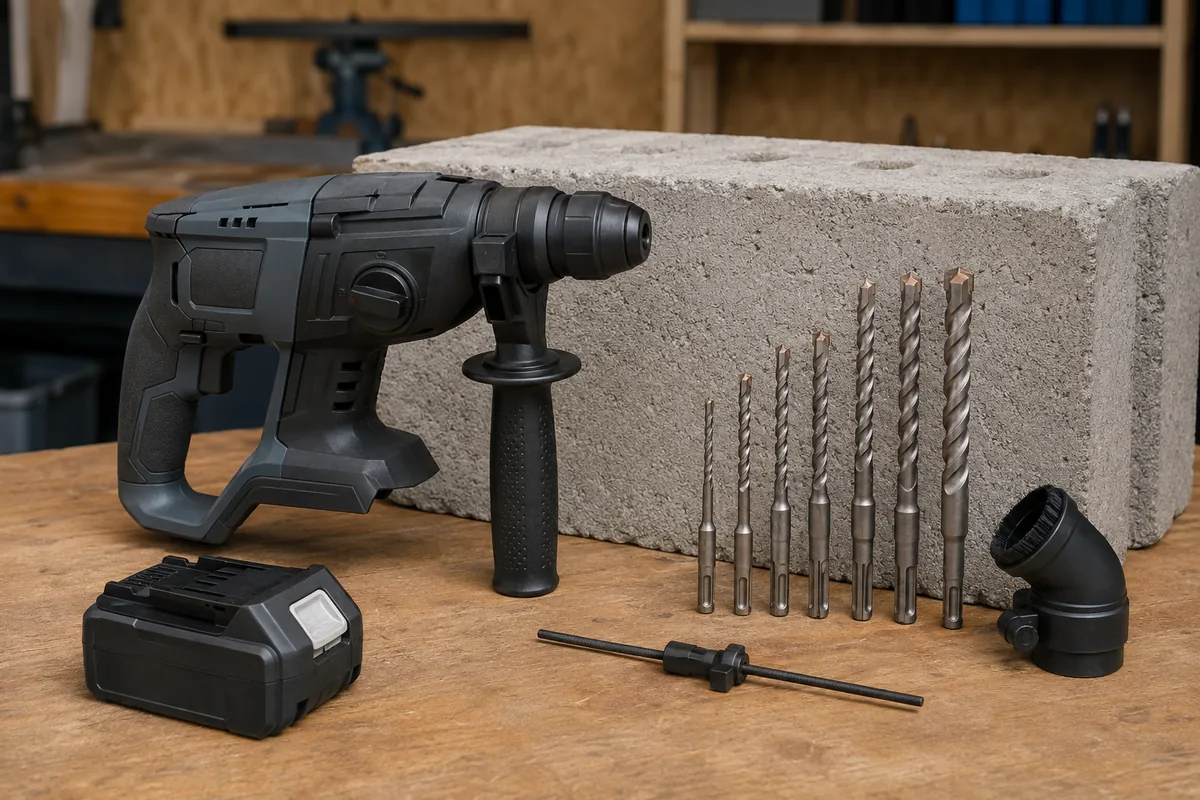
A rotary hammer uses a piston-driven mechanism to deliver stronger blows. Most accept SDS-Plus bits, which slide into the chuck and can move back and forth as they strike. The tool does more of the breaking work, so you do not need to lean on it as hard. Many rotary hammers also have a hammer-only setting for light chipping.
In practice, that means a hammer drill is a versatile household tool, while a rotary hammer is a masonry specialist. Neither is automatically better for every brick wall.
Quick comparison
| Factor | Cordless hammer drill | Rotary hammer |
|---|---|---|
| Best use | Occasional small and medium holes | Repeated, larger, or deeper masonry holes |
| Typical bit system | Round or hex-shank masonry bits in a conventional chuck | Usually SDS-Plus for common home and renovation work |
| Effort | Needs steady forward pressure | Usually drills with less pushing |
| Other jobs | Good for screws, wood, and metal when hammer mode is off | Some drilling and light chiseling; less convenient for everyday driving |
| Cost and size | Often cheaper if you already own compatible batteries | Usually bulkier and may require a separate set of bits |
| Common drawback | Slow progress, heat, or stalled bits in hard masonry | More tool than needed for a handful of small holes |
When a cordless hammer drill is enough
Choose a hammer drill for a few holes for shelf brackets, a house number, or a light-duty wall anchor. For typical small fasteners, holes around 1/4 inch (6 mm) in ordinary brick are within reach of a decent cordless tool and a fresh masonry bit. A hole or two may take only a short time; a dozen can be noticeably more tiring and slower, especially in dense brick or mortar.
If you already own a compatible battery platform, buying a bare tool can keep the cost down. Check the tool’s stated masonry capacity and use a masonry bit rated for a hammer drill. A regular wood bit is not a substitute. Keep the bit straight, use the hammer setting, and let the tool work without forcing it. Excessive pressure can overheat the bit or motor without making the hole meaningfully faster.
For occasional work, a cordless hammer drill is the practical all-round choice. Its main limitation shows up with bigger holes, long runs, and hard brick: the bit may advance slowly, the drill may strain, and your hands take more vibration. If progress nearly stops, pressing harder is not the fix.
When a rotary hammer is worth it
Buy or rent a rotary hammer if you are drilling many holes, working in dense brick or concrete, or regularly making holes larger than about 3/8 inch (10 mm). That is a useful rule of thumb, not a strict cutoff: bit quality, wall material, tool condition, and the hole depth all matter. For bigger anchor holes, a rotary hammer generally makes faster progress and places less demand on your arms.
An SDS-Plus rotary hammer and suitable bit are a common choice for homeowner and renovation jobs. The SDS shank must match the tool; ordinary round-shank masonry bits will not simply fit the SDS chuck without the correct adapter, and an adapter may not give the best performance. A cordless SDS-Plus rotary hammer avoids a cord across the work area, but battery, charger, and bit costs can make it a poor deal for one short project. Renting is sensible when the tool would otherwise sit unused.
Rotary hammers can also chip material, but hammer-only mode is for light work, not demolition. The extra impact can crack brittle brick, loosen mortar, or make a hole larger than intended if you lean on the tool or use an oversized bit.
Drilling brick without damaging it
First decide whether the hole belongs in the brick or the mortar joint. Brick is usually the stronger anchor location, but drilling near an edge can split it. Mortar is easier to drill and repair, yet may be too weak for a heavy load. Follow the anchor maker’s guidance and avoid placing a hole close to the edge of a brick or near a joint intersection.
Mark the hole and check for pipes or wiring before drilling. Start square to the surface at low speed so the bit does not skate. Once the tip is established, use a steady pace; pull the bit out occasionally to clear dust, particularly in deeper holes. Stop at the required depth rather than drilling far beyond it. Dust can bind the bit, and a bit that gets hot or dull will cut poorly in either tool.
Wear eye protection and a suitable dust mask, and keep a firm two-handed grip. Brick dust is irritating, and older masonry or coatings can raise additional hazards. If the drill keeps kicking, the bit binds, or the brick begins to fracture, stop and reassess the bit, hole location, and tool mode.
Which should you buy?
For a few small holes each year, choose the cordless hammer drill—especially if you already own its batteries and need a general-purpose drill. For repeated masonry work, larger anchors, or hard brick that has defeated a hammer drill, choose a rotary hammer or rent one for the job. The cheapest option is fine when it can complete the holes cleanly; the upgrade earns its cost when it saves substantial time, effort, or damaged masonry.