What's inside
As an Amazon Associate I earn from qualifying purchases. This post may contain affiliate links at no extra cost to you.
Our Top Picks

What these drills are built to do
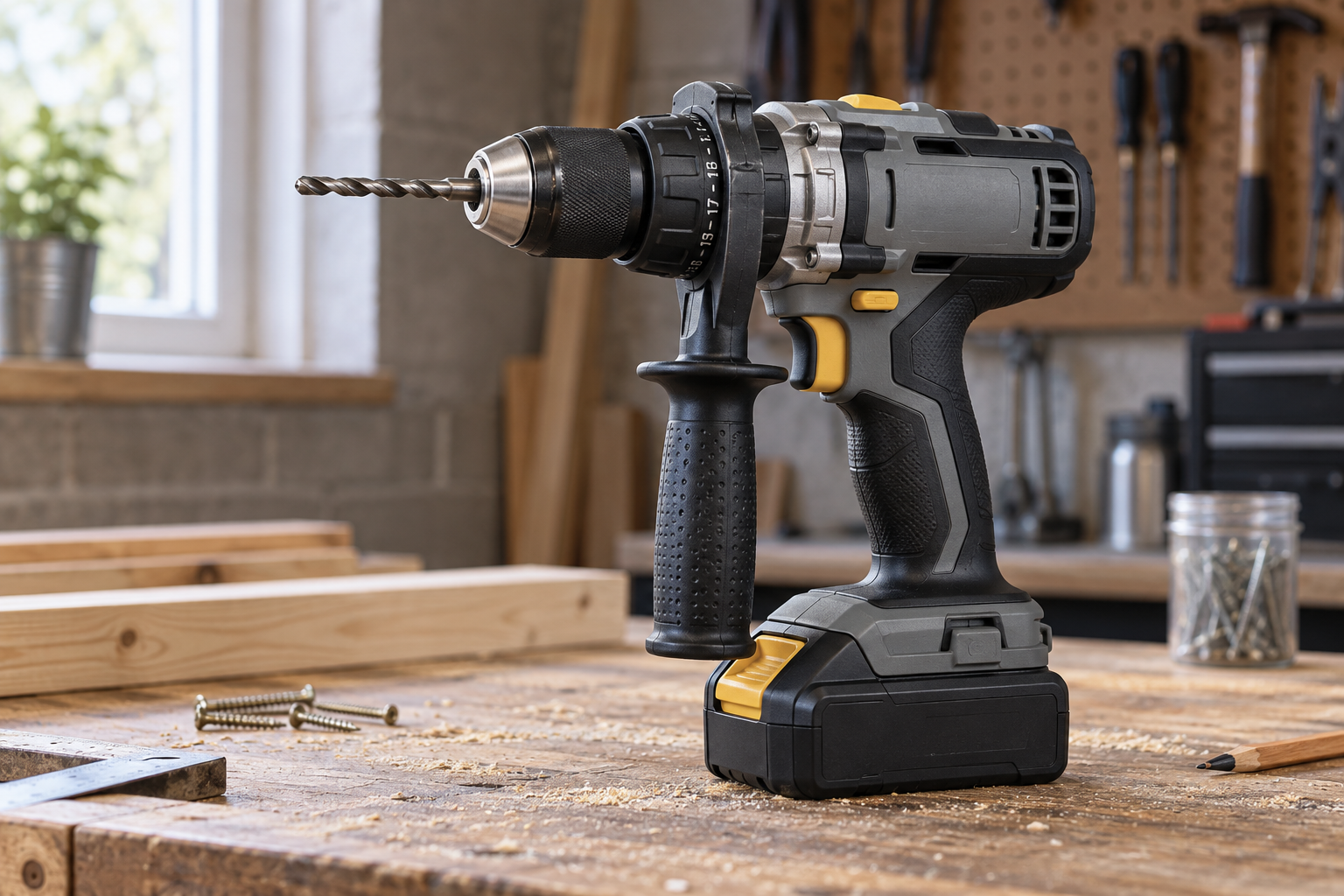
The Bosch GSB18V-535 and Makita XPH14 are cordless 18V-class hammer drills for drilling and driving, not substitutes for a rotary hammer on heavy concrete work. Their hammer action adds rapid blows to the bit’s rotation, helping a masonry bit cut into brick and concrete for small anchor holes. Both also work as regular drills and drivers, so neither needs to be a single-purpose purchase.
For common home and remodeling jobs—say, installing a few light-duty anchors in brick or drilling small holes in a concrete wall—either can be a sensible choice. The more important buying questions are whether the drill fits your existing battery system, how much control you need, and whether your masonry work is occasional or sustained.
As an Amazon Associate we earn from qualifying purchases at no extra cost to you.


At-a-glance comparison
| Factor | Bosch GSB18V-535 | Makita XPH14 |
|---|---|---|
| Tool type | 18V-class hammer drill/driver | 18V-class hammer drill/driver |
| Hammering rate | Up to 27,000 blows per minute | Up to 31,500 blows per minute |
| Chuck | 1/2-inch keyless | 1/2-inch keyless |
| Best fit | Routine drilling and driving, with occasional masonry holes | Users who want more speed and power for demanding drilling and driving |
| Main trade-off | Less headroom for tough, repeated work | More tool than many occasional anchor jobs require |
Specifications vary by kit and battery, and published torque figures are not directly comparable across brands because test methods can differ. The hammer-rate figures are more useful as a rough point of comparison, not a promise that one drill will finish every hole faster. Bit quality, concrete hardness, battery condition, and operator pressure all affect results.
How they handle masonry anchors
The XPH14’s higher stated hammer rate and strong performance in demanding drilling make it the better pick when holes are larger, masonry is hard, or the drill will also see frequent work in wood and metal. That extra capacity can reduce the sense that the tool is laboring, but it does not turn the XPH14 into a rotary hammer. If you regularly need holes around 3/8 inch or larger in hard concrete, or have a long row of holes to drill, a corded or cordless rotary hammer with an SDS-Plus bit is usually the more appropriate tool.
The Bosch is plenty for occasional small anchor holes when paired with a sharp masonry bit. For a handful of 1/4-inch holes in brick or a concrete block, paying extra for maximum hammer-drill output may not save meaningful time. The Bosch is also a reasonable choice if you already own compatible Bosch batteries and chargers; the value of a bare tool can outweigh a modest performance difference.
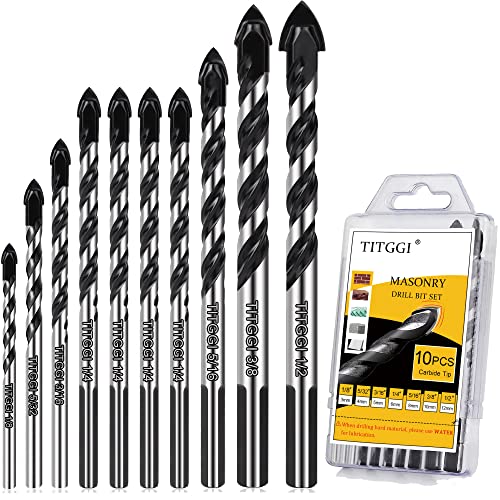
Neither drill should be forced through the hole. Use a carbide-tipped masonry bit, select hammer mode, start slowly to keep the bit from wandering, and clear dust from the hole as you go. Dust buildup slows cutting and can make an anchor sit short. If progress stalls, back the bit out, let it clear, and check that the bit is not worn. Excessive pressure can overheat the bit or motor without improving the cut.
Control, weight, and everyday use
Hammer drills are heavier and more tiring than compact drill/drivers, especially when held overhead or at arm’s length. Both models have side handles, and using one is wise when drilling larger holes or when the bit could bind. A binding bit can twist the drill suddenly; keep a firm two-handed grip and avoid putting your face or wrist in the drill’s line of rotation.
The XPH14’s extra muscle is useful for tough drilling, but it can be excessive for delicate screw work unless you use a low clutch setting and the correct speed. The Bosch’s less aggressive feel may be easier to manage for mixed household tasks. For either one, release the trigger as the bit reaches the back of a wall or the bottom of a blind hole to avoid damaging the material.
Which one should you buy?
Choose the Bosch GSB18V-535 if your masonry work is limited to occasional small anchors, you want a capable general-purpose drill, or you already have Bosch batteries. It is the more proportionate purchase for light DIY work, provided you use good bits and accept that drilling hard concrete will take patience.
Choose the Makita XPH14 if you expect frequent drilling, want more capacity for demanding jobs, or are already invested in Makita’s 18V system. Its advantage is most useful across a range of tougher drilling tasks, not just a few small anchor holes. Compare kit prices carefully: batteries and a charger can change the total cost substantially.
If the job is only a couple of anchors, a suitable carbide-tipped masonry bit may matter more than upgrading drills. For repeated holes in concrete, consider a cordless SDS-Plus rotary hammer instead. Its dedicated hammer mechanism is designed for that work and will usually drill concrete more efficiently with less effort.
A reliable process for anchor holes
Check the anchor instructions for the required bit diameter and hole depth; do not guess from the screw size. Mark the depth on the bit with tape if it lacks a depth stop, and check for wiring or plumbing before drilling. Keep the drill square to the surface, use steady pressure, and withdraw the bit periodically to remove dust. After drilling, clean the hole as the anchor manufacturer directs. A dusty hole can prevent an adhesive or friction-fit anchor from holding as intended.
If the hole becomes oversized, the bit wanders, or the anchor spins during installation, stop rather than forcing the fastener. The wrong hole size, loose masonry, or a damaged anchor can compromise the hold. Move to sound material where possible and use an anchor rated for the substrate and load. For heavy or safety-critical attachments, follow the fastener maker’s instructions and choose a system rated for the actual application.