What's inside
As an Amazon Associate I earn from qualifying purchases. This post may contain affiliate links at no extra cost to you.
Our Top Picks
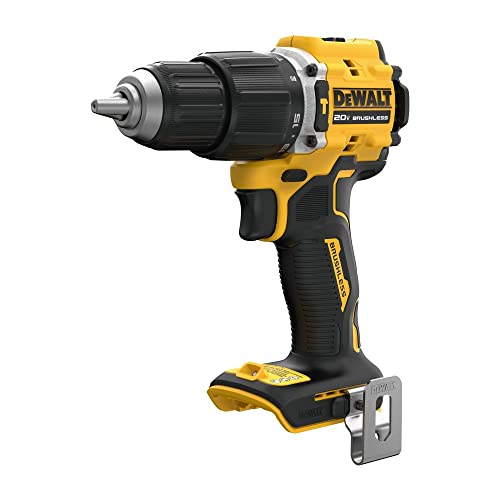
 DEWALT 20V MAX SDS Plus Rotary Hammer DrillOne Size11.35 x 8.5 x 10.7 Inches4.59 PoundsCheck on Amazon


What matters when drilling brick overhead
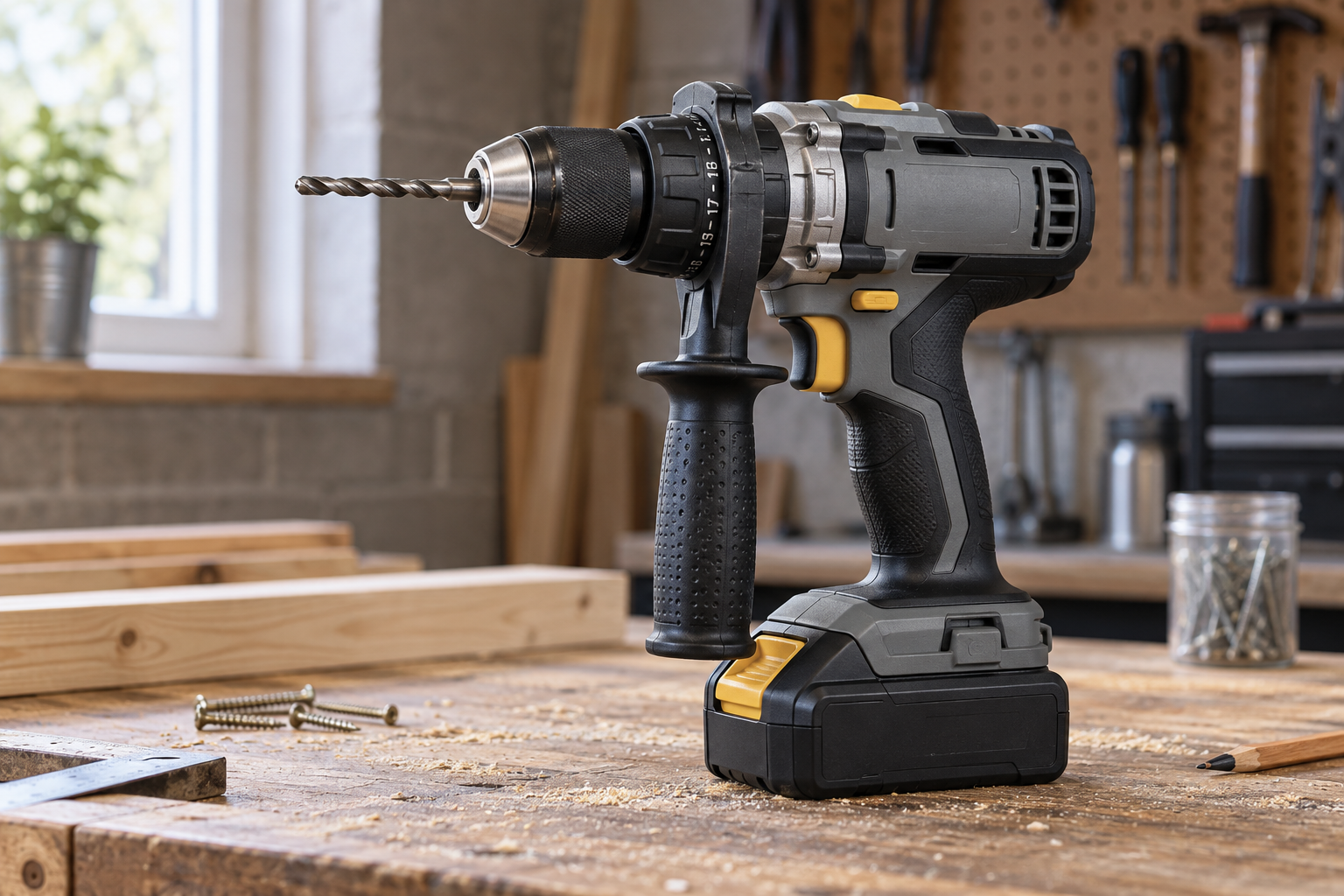
Above shoulder height, a drill’s weight and balance matter as much as its headline power. You have to hold the tool steady while keeping the bit square to the wall, and fatigue makes it easier to wander or bind. For typical holes for wall plugs—roughly 6 to 10 mm in diameter—a compact 18V cordless hammer drill is usually a practical choice. A smaller 12V drill can work for occasional holes in softer brick, but expect slower progress and less reserve when the masonry is dense.
Check the tool’s weight with its battery fitted, not just the bare-tool figure. A setup around 1.5 to 2 kg is easier to manage overhead than a heavier drill with a large battery. A compact battery saves weight, though a very small pack may run down sooner or feel underpowered in sustained drilling. Grip shape, trigger control and a secure side handle also matter: the handle gives you a second point of control if the bit catches.
As an Amazon Associate we earn from qualifying purchases at no extra cost to you.


Hammer drill or rotary hammer?
A standard hammer drill uses a toothed mechanism to add rapid, light impacts as the bit turns. It is smaller and generally better suited to occasional plug-size holes in brick. A rotary hammer uses a piston mechanism to deliver stronger impacts, and usually accepts SDS bits. It drills hard masonry more quickly, but its greater size and weight can make overhead positioning tiring.
For a handful of 6 mm holes in sound, ordinary brick, a compact hammer drill is often the better-balanced purchase. If you regularly drill large holes, work in hard engineering brick, or need to make many holes in a row, a compact SDS-plus rotary hammer is worth considering instead. It may reduce drilling effort, but do not buy one solely for occasional small holes if the added weight will make the job less controlled.
Browse compact 18V hammer drills and compare tool weight, included battery size, chuck capacity and whether a side handle is supplied. A bare-tool price can look attractive, but the battery and charger may make it a poor deal if you do not already own compatible equipment.
Choosing the right drill for the job
| Option | Best fit | Trade-off overhead | Typical use |
|---|---|---|---|
| 12V hammer drill | A few small holes in softer brick | Light and easy to position, but less reserve in hard masonry | Occasional 5–6 mm plug holes |
| Compact 18V hammer drill | Most household brick-drilling jobs | More weight than 12V, usually a useful balance of control and pace | Several 6–10 mm holes |
| Compact SDS-plus rotary hammer | Hard brick, larger holes or repeated drilling | Often heavier and bulkier; greater impact can make precise positioning less comfortable | Frequent masonry work or holes around 10 mm and up |
These are practical categories, not guarantees: brick hardness, bit condition and the age of the battery can change drilling speed substantially. A sharp, suitable masonry bit matters more than a large torque number for this task. Torque figures mainly describe rotational force; they do not tell you how quickly a drill will bore brick.
Features worth paying for
Look for a two-speed gearbox, variable-speed trigger and a hammer mode you can switch off. Start slowly to establish the hole, then use a steady speed and moderate pressure. Hammer mode should be on for brick; switch it off for wood, metal and screwdriving. A clutch is useful for driving screws, but set it aside for drilling. A belt clip may help between holes, but it is not a substitute for supporting the drill properly.
Do not choose the biggest battery by default. A compact pack can make a clear difference when your arm is extended, and a few plug holes rarely justify carrying a high-capacity battery overhead. On the other hand, if you already own a compatible 18V platform, using its standard pack may be cheaper and simpler than buying into a new 12V system.
Compare compact 12V hammer drills if low weight is your priority and the work is light. A basic hammer drill can be adequate for soft brick and occasional holes. It is not the bargain choice if it stalls repeatedly, overheats, or forces you to push hard against the wall; those are signs to use a sharper bit, slow down, or move up to an 18V drill or rotary hammer.
How to drill overhead without fighting the tool
Use a sharp carbide-tipped masonry bit sized to the plug or anchor. Mark the hole and check for pipes and cables before drilling; do not assume a spot is clear because it is high on a wall. Wear eye protection, since brick dust and small chips fall directly toward your face. A dust mask is sensible indoors, and a vacuum held near the hole helps limit the mess.
Stand securely rather than reaching from an unstable step or stretching sideways from a ladder. Keep both hands on the drill where practical, with the side handle fitted for larger bits or a drill with strong kickback. Hold the bit perpendicular to the wall and let the hammer action do the work; forcing the tool can overheat the bit and make it drift. If the drill stops advancing, pull the bit out while it is still turning slowly to clear dust, then resume. Stop if you hit a hard inclusion, the drill binds, or the hole runs into a mortar joint unexpectedly.
A practical buying choice
For most people drilling a few plug holes above shoulder height in ordinary brick, start with a compact 18V hammer drill and a sharp masonry bit. Choose the lightest complete setup that still feels controlled in your hands, and prioritize a side handle if the tool is heavy or the holes are larger. A 12V model is a reasonable cheaper option for occasional small holes in soft brick. Choose a compact SDS-plus rotary hammer when hard masonry or frequent drilling makes a hammer drill slow and tiring.