What's inside
As an Amazon Associate I earn from qualifying purchases. This post may contain affiliate links at no extra cost to you.
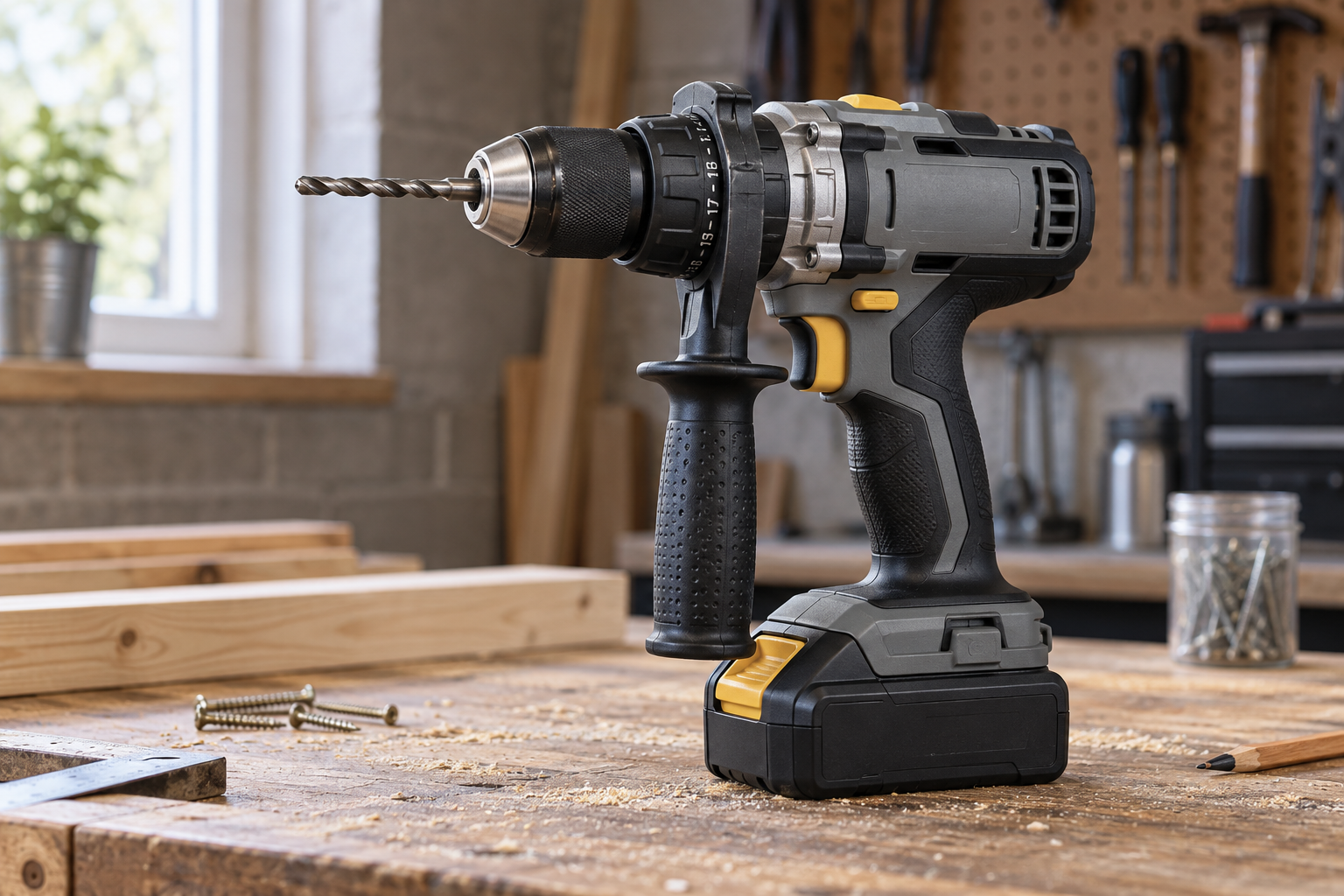
Stone countertops punish the wrong bit more than they punish the drill. For a small hole in granite, marble, or engineered quartz, the main choice is usually not corded versus cordless: it is whether you have a proper diamond core bit, a stable guide, and a way to keep the cutting edge cool. A hammer drill’s impact action is generally not what you want against a finished stone surface.
As an Amazon Associate we earn from qualifying purchases at no extra cost to you.


Our Top Picks
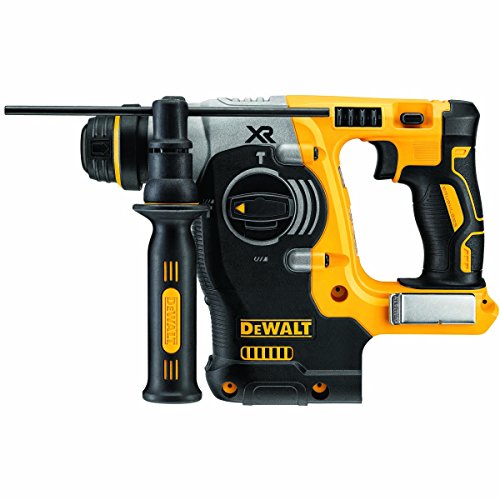
 DEWALT 20V MAX SDS Plus Rotary Hammer DrillOne Size11.35 x 8.5 x 10.7 Inches4.59 PoundsCheck on Amazon


First, check the bit and the material
For clean holes in countertop stone, use a diamond hole saw or core bit sized for the fixture, not a masonry bit in hammer mode. Impact blows can chip the surface, crack stone near an edge, or damage the bit. Set a hammer drill to rotation-only if using one; many hammer drills also accept round-shank or hex-shank diamond bits, but confirm the bit’s shank and the tool’s instructions before buying.
Stone varies. Granite is hard and abrasive; marble is softer but can chip; quartz surfaces are engineered composites whose resin and stone content vary by brand. A countertop fabricator may require a specific method or may advise against drilling in a particular location. Check with them before making a hole, especially near a sink cutout, seam, or narrow edge. The countertop warranty may also exclude site drilling.
Corded vs cordless for countertop holes
A corded drill offers sustained power without battery changes, which is useful for repeated holes or long sessions. A cordless drill is easier to control around a finished kitchen and avoids dragging a cord over cabinets and stone. For one or two holes with a sharp, suitable diamond bit, a good cordless drill is often sufficient. Neither type makes an unsuitable bit or poor setup safe.
| Factor | Corded hammer drill | Cordless hammer drill |
|---|---|---|
| Power supply | Runs continuously from an outlet | Limited by battery charge; spare packs can extend work |
| Handling | Cord can snag or touch finished surfaces | No trailing cord; generally easier to reposition |
| Best fit | Repeated drilling or a shop with nearby power | Occasional holes, site work, or tight indoor spaces |
| Stone drilling setting | Rotation-only; hammer action off | Rotation-only; hammer action off |
| Main limitation | Outlet access and cord management | Battery runtime and the cost of batteries or a charger |
When cordless is the better buy
For installing a faucet, soap dispenser, or one accessory, cordless is usually the practical choice if you already own compatible batteries. You can work without routing a cord across a wet or finished area, and there is no meaningful benefit to keeping a drill running indefinitely for a single hole. A cordless hammer drill sold as a bare tool may be economical when you already have the battery platform. Use it in drill mode, not hammer mode.
Runtime depends heavily on bit diameter, stone, pressure, and battery size, so don’t rely on a claimed number of holes. Keep a charged spare available for several holes, and stop if the tool slows sharply, the battery overheats, or the bit stops cutting. Pressing harder to compensate can overheat the bit or make it wander.
When corded is worth considering
A corded drill makes sense if you will drill many holes, already own a suitable one, or need uninterrupted operation and have a safe outlet nearby. It can also be the lower-cost option if you lack batteries and charger. A corded variable-speed hammer drill is versatile for general masonry work, but for a countertop hole, use rotation-only and keep the speed within the bit maker’s range.
Do not assume higher wattage means a cleaner hole. Excess speed or pressure can produce heat, glaze a diamond bit, and damage the stone. If the drill is difficult to control at low speed, a dedicated wet diamond drill or a drill guide may be a better choice than either hammer-drill type.
Setup matters more than the power source
Before drilling, verify the hole location from both sides where possible. Check for cabinets, pipes, wiring, sink clips, and other obstructions below the countertop. Avoid drilling close to an edge or cutout unless the fabricator confirms there is enough material; a short distance can leave a fragile strip that cracks under pressure. Use the fixture template, then mark the center and secure a guide or template so the bit cannot skate across the polished surface.
Follow the bit instructions on water use. Many diamond bits are designed for wet cutting; keep a controlled supply of water at the cutting edge and protect electrical connections with a suitable ground-fault-protected supply. Some bits are rated for dry use, but that does not make dust safe to breathe. Use eye protection and appropriate respiratory protection, and control silica-containing dust. Never pour water over a live tool or battery.
Start gently, keep the drill square, and let the diamond edge do the work. Don’t use hammer action. If the bit wanders, chatters, smokes, or stops removing material, stop and inspect the setup rather than forcing it. Near breakthrough, reduce pressure: the underside can chip as the core exits. A backing surface may help where access allows, but don’t improvise a clamp that puts stress on the countertop.
What to buy for your job
If you already own a cordless drill and need one or two holes, use it in rotation-only mode with a compatible diamond bit and guide. Buying a new corded tool just for that job is hard to justify. If you have no drill and expect regular stone or masonry work, compare the cost of a corded tool with a cordless kit, including batteries and charger—not just the bare-tool price.
For a larger hole, a costly countertop, or a location near an edge or cutout, hire a stone fabricator. Their fixtures and cooling setup reduce the chance of a ruined slab, and replacement or repair can cost far more than the tool. Choose the drill you can control; choose the bit and method specifically for the stone.