What's inside
As an Amazon Associate I earn from qualifying purchases. This post may contain affiliate links at no extra cost to you.
Our Top Picks


The short answer
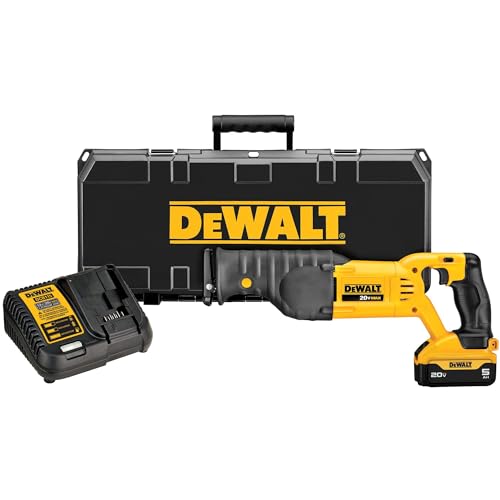
For plumbing work, the DeWalt DCS367 is the more versatile one-saw choice. Its 1-1/8-inch stroke and four blade positions help when cutting pipe in a cramped cabinet or close to a wall. The Milwaukee 2520-20 M12 HACKZALL is smaller and lighter, making it easier to handle overhead or in a tight opening, but its 5/8-inch stroke is slower through many cuts.
Neither tool is a substitute for a tubing cutter on clean copper work. Choose based on what you cut most: the DeWalt for faster, varied demolition; the Milwaukee for compact access and lighter-duty cuts, especially if you already own M12 batteries.
As an Amazon Associate we earn from qualifying purchases at no extra cost to you.


Specs that matter under a sink
| Feature | DeWalt DCS367 | Milwaukee 2520-20 |
|---|---|---|
| Battery platform | 20V MAX | M12 |
| Stroke length | 1-1/8 in. | 5/8 in. |
| Strokes per minute | 0–2,900 | 0–3,000 |
| Tool length | About 14.5 in. | About 11 in. |
| Blade positions | Four-position clamp | Blade can be installed in different orientations |
| Orbital action | No | No |
Stroke length is the key difference. The Milwaukee’s higher maximum speed does not make up for its shorter stroke on every cut: a longer stroke moves more blade through the material each cycle. Actual speed depends on blade choice, pipe material, battery charge, and how firmly you can support the work.
The DeWalt is also longer, which can be a disadvantage when the tool itself has to fit between a wall and a trap. The Milwaukee’s shorter body is easier to point into narrow spaces, though the blade still needs room to travel. Check clearance for the full blade motion, not just the tool housing.
How they handle common plumbing cuts
Copper tube: Use a tubing cutter where you can reach the pipe and want a square, controlled end. A recip saw can vibrate the pipe, leave a rough cut, and send metal chips toward nearby fittings. If access forces a saw cut, clamp or support the pipe, use a fine-tooth metal blade, and keep the shoe against the work when possible. Deburr the inside and outside before joining the pipe.
Plastic drain and supply pipe: Either saw can cut PVC or ABS, but a hand saw or purpose-made cutter may leave a cleaner, more square end with less cleanup. A coarse blade cuts faster but can tear the edge; a fine blade is slower but usually leaves less ragged plastic. Avoid forcing the saw: a pipe that flexes can pinch the blade or crack near a fitting.
Cast iron, steel, and embedded fasteners: This is where the DeWalt’s longer stroke and greater cutting pace are useful, provided you fit a suitable carbide-grit or carbide-tooth blade. Cast iron cuts can consume a blade, and a long cut near a wall is vulnerable to blade binding. Support the section on both sides of the cut and account for the weight of the pipe before severing it. A short blade can also help keep the tip from striking hidden framing or wiring.
Access, control, and likely snags
The Milwaukee’s lower weight and compact body matter when working one-handed above shoulder height or reaching into a small vanity. But one-handed sawing is a compromise: it reduces control and makes the blade more likely to jump when it first contacts a pipe. If you cannot brace the tool, start slowly and let the blade establish a kerf before increasing pressure.
The DeWalt’s four blade positions are a practical advantage around walls and joists. They let you orient the blade to approach a flush cut from a more useful angle. The Milwaukee also allows blade orientation changes, but the DeWalt’s multiple positions give more setup choices. In either case, check that the blade is locked before pulling the trigger; a poorly seated blade can slip out or strike the work at an angle.
Both are compact reciprocating saws, not precision cutters. The main failure modes are a blade binding as a pipe closes under tension, a cut that wanders because the pipe is unsupported, and damage to a nearby cable or finished surface. Look behind and around the cut where possible. For concealed work, open enough access to see what the blade may hit rather than relying on a short blade as your only safeguard.
Battery platform and cost
The bare-tool price is only part of the decision. If you already have DeWalt 20V MAX batteries, the DCS367 is usually the straightforward fit; if you have M12 batteries, the Milwaukee can be the cheaper purchase overall. A small battery keeps the Milwaukee nimble, while a larger pack can improve runtime but adds bulk—an important trade in a cramped cabinet.
Before buying, check whether the listing is tool-only or includes a battery and charger. Compare the total cost of the saw, at least one compatible battery, and a charger if you need them. For a homeowner who makes occasional cuts, the manual copper tube cutter is often a better first purchase than either saw.
Which one should you buy?
Pick the DeWalt DCS367 if you expect to cut mixed materials, remove pipe during renovation, or want the faster-feeling tool for tougher cuts. Its longer stroke and blade-position options suit repeated work, but the larger body can be awkward in the tightest spaces.
Pick the Milwaukee 2520-20 if compact size, low weight, and M12 battery compatibility matter more than cut speed. It is a sensible choice for occasional access cuts and lighter plumbing jobs. If you already own M12 batteries and mostly cut plastic or small metal pipe, paying more for a larger saw may not buy you much.
For either tool, buy blades matched to the material rather than trying to make one blade do everything. A fine-tooth metal-cutting blade set is useful for steel and thin-wall pipe; select a separate blade suitable for plastic or demolition. Keep spare blades on hand: a dull blade increases heat and vibration, slows the cut, and makes it easier to push hard enough to lose control.