What's inside
As an Amazon Associate I earn from qualifying purchases. This post may contain affiliate links at no extra cost to you.
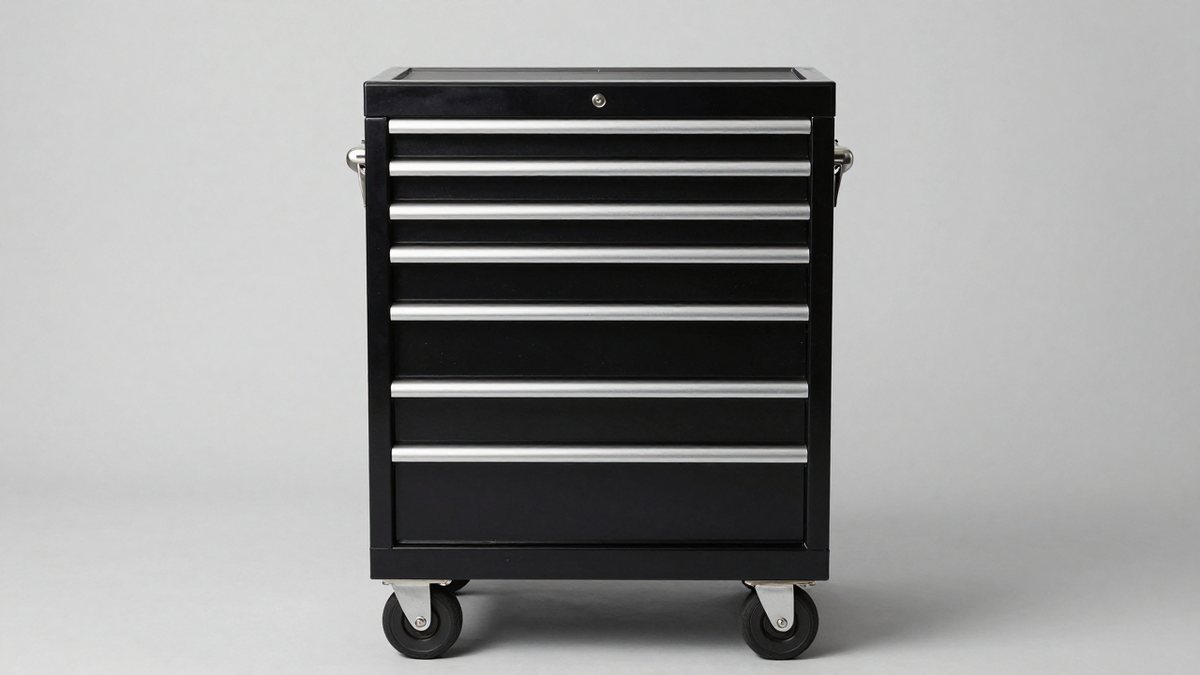
The best tool chest under 500 for most home workshops is a 41- to 52-inch steel rolling cabinet with full-extension ball-bearing drawers, a keyed lock, and at least 12,000 cubic inches of usable storage; the right choice depends more on available floor space and drawer layout than on the largest advertised width.
As an Amazon Associate we earn from qualifying purchases at no extra cost to you.


Our Top Picks
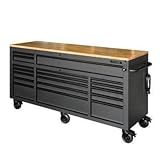
 Husky 72 in. 18-Drawer Mobile Workbench with Adjustable-Height24.1 x 75.3 x 39 inchesCheck on Amazon


Best tool chests under $500 at a glance
| Model or type | Typical market range | Approx. width | Storage and drawers | Construction and useful features |
|---|---|---|---|---|
| Husky Heavy-Duty rolling cabinet | $400–$500 | 52 inches | About 15 drawers; roughly 20,000–21,000 cubic inches, depending on configuration | Steel cabinet, ball-bearing slides, power strip on some versions, soft-close or drawer-latching features on selected versions |
| U.S. General Series 2 rolling cabinet | $350–$500 | 42 inches | Typically 8 drawers; about 14,000–15,000 cubic inches | Powder-coated steel, full-extension ball-bearing slides, keyed lock, removable drawer liners, heavy-duty casters |
| Craftsman 2000 Series rolling cabinet | $350–$500 | 41 inches | Usually 6–8 drawers; approximately 11,000–14,000 cubic inches | Powder-coated steel, ball-bearing slides, keyed lock, drawer liners, tubular or corner-style handles depending on model |
| Waterloo 41-inch rolling cabinet | $250–$400 | 41 inches | Commonly 6–8 drawers; approximately 10,000–13,000 cubic inches | Steel body, ball-bearing slides on current configurations, casters, lock, and a lower price than heavy-duty alternatives |
| 30- to 36-inch modular steel cabinet | $180–$350 | 30–36 inches | 5–8 drawers; roughly 6,000–10,000 cubic inches | Powder-coated steel, locking drawers, smaller footprint, and easier movement through narrow doorways |
Specifications and drawer arrangements can change between colors, generations, and retailer-exclusive versions, so use these figures as comparison ranges rather than a substitute for the current specification sheet.
Our picks by workshop situation
Best maximum storage: Husky Heavy-Duty 52-inch cabinet
A large Husky Heavy-Duty cabinet is the strongest choice when you have a permanent workshop bay and need one place for ratchets, power-tool accessories, plumbing parts, measuring equipment, and automotive tools. Its roughly 20,000-plus cubic inches of storage can hold substantially more than a 41-inch cabinet, and the wide top surface is useful for a vise, charger station, or frequently used hand tools.
The tradeoff is physical size. A cabinet around 52 inches wide and roughly 24 inches deep needs a clear route into the workshop and enough space for its doors, drawers, and casters. Loaded weight can also exceed several hundred pounds. Choose this cabinet when you expect to expand your collection; do not choose it merely because the empty drawers look impressive.
Best balance of capacity and price: U.S. General Series 2
The U.S. General Series 2 cabinet is a practical middle ground for a serious home mechanic. Its approximately 42-inch width fits more garages than a 52-inch chest while still providing deep drawers for sockets, wrenches, and cordless-tool batteries. Full-extension ball-bearing slides and a locking system are important advantages at this price level.
Its drawer layout favors organization over maximum volume. That is helpful if you own many categories of hand tools, but less ideal if you need to store bulky sanders, impact sockets, or boxed accessories. Before buying, measure the inside height of the deepest drawer rather than relying on the cabinet’s total cubic-inch figure.
Best familiar all-purpose option: Craftsman 2000 Series
A Craftsman 2000 Series cabinet suits a homeowner who wants a recognizable, general-purpose storage system for maintenance, assembly, and occasional vehicle work. Current configurations commonly include steel construction, ball-bearing slides, liners, casters, and a keyed lock. The cabinet’s proportions are usually easier to fit beside a workbench than those of an extra-wide model.
It is most attractive when discounted into the lower or middle part of the $350–$500 range. At the top of that range, compare drawer depth and slide ratings carefully against U.S. General and Husky alternatives. Craftsman’s main advantage is a sensible all-around layout, not necessarily the greatest storage capacity per dollar.
Best lower-cost choice: Waterloo 41-inch cabinet
Waterloo cabinets are worth considering when the budget is closer to $250–$350 or when the chest will hold light- to medium-duty household tools. They provide steel construction and useful organization without requiring the investment of a premium cabinet.
The limitation is usually lower rigidity and less generous drawer capacity than a heavy-duty cabinet. A Waterloo cabinet is a good fit for occasional users, renters who need movable storage, and beginners building a tool collection. It is a weaker choice for regularly storing heavy impact tools, large socket sets, or dense quantities of fasteners.
Head-to-head comparison: what matters beyond width
Storage volume
Advertised storage volume is useful only when paired with drawer dimensions. A deep lower drawer may hold power tools but leave wasted space around small hand tools. Shallow top drawers are better for wrenches and screwdrivers because tools remain visible and do not pile up.
For a first serious cabinet, approximately 12,000–15,000 cubic inches is enough for a typical home mechanic’s hand tools and some accessories. Move toward 20,000 cubic inches if you already own cordless tools, automotive equipment, or several specialized tool families.
Steel construction
Look for a powder-coated steel body with reinforced drawer fronts, a continuous or reinforced top lip, and casters mounted to a substantial lower frame. Thin steel can still look attractive but may flex when a wide drawer is heavily loaded. A double-wall drawer is valuable because it resists twisting when opened from one side.
Stainless-looking trim and glossy paint do not indicate strength. The useful questions are whether the cabinet rocks when empty, whether the drawer gaps remain even, and whether the casters attach to reinforced corners rather than thin sheet metal.
Drawer slides and load handling
Ball-bearing slides are preferable to basic friction slides because they open more smoothly and tolerate repeated use. Full-extension slides let you reach the back of a drawer, which reduces forgotten tools and uneven loading. Many cabinets advertise a total capacity of 600–1,200 pounds, but individual drawer limits are more relevant.
Put dense items such as sockets and punches in lower drawers. Keep the top two drawers below their stated limit, since overloaded upper drawers can make the cabinet top-heavy and harder to move safely.
Decision matrix for choosing under $500
| Your situation | Recommended size | Best match | Why |
|---|---|---|---|
| Budget below $300 | 30–41 inches | Waterloo or a smaller modular cabinet | Leaves money for drawer organizers and liners |
| Beginner with a growing hand-tool collection | 41–42 inches | Craftsman 2000 Series or U.S. General Series 2 | Enough capacity without consuming a full garage wall |
| Frequent automotive or fabrication work | 42–52 inches | U.S. General or Husky Heavy-Duty | Better deep-drawer capacity and more robust slides |
| Small workshop or narrow doorway | 30–36 inches | Compact modular steel cabinet | Easier to move and less likely to block the work area |
| Large existing tool collection | 52 inches if space allows | Husky Heavy-Duty | Reduces overflow boxes and unused duplicate storage |
How to size the cabinet before buying
-
Measure the intended wall section, then subtract at least 6 inches from each side if you need comfortable access to the handles and drawers.
-
Measure the narrowest doorway, turn, or stair landing on the delivery path. Compare it with the cabinet’s depth and diagonal clearance, not just its front width.
-
Estimate your current storage need. If you have four small toolboxes each measuring about 18 by 12 by 6 inches, their external volume is roughly 5,184 cubic inches. A cabinet rated at 12,000 cubic inches gives useful expansion room, although drawer walls and dividers reduce actual usable space.
-
Check the loaded weight. A cabinet rated for 800 pounds may weigh 150–250 pounds empty, leaving much less practical capacity than the headline number suggests once tools are added.
Long-term durability and ownership costs
Drawer slides, caster bearings, drawer liners, and locks are the parts most likely to need attention before the steel cabinet body. Fine grinding dust can enter slides and create rough movement, while spilled oil softens some foam liners and attracts grit. Wipe drawers periodically with a lightly damp cloth, dry them fully, and use a manufacturer-approved lubricant sparingly on slide mechanisms.
Do not drag a fully loaded cabinet over thresholds. Lift or ramp each wheel gradually, and keep the heaviest drawers at the bottom. Lock the casters when working at the bench, and close every drawer before moving the cabinet; an open upper drawer can shift the center of gravity enough to make a tall cabinet unstable.
For better organization, reserve shallow drawers for measuring tools and drivers, medium drawers for pliers and wrenches, and deep drawers for power tools or sockets. A $20–$50 allowance for dividers, socket rails, and replacement liners can improve daily usability more than spending the same amount on cosmetic trim.
Final verdict
Choose the Husky Heavy-Duty 52-inch cabinet if storage volume and frequent heavy use matter most. Choose the U.S. General Series 2 for the best balance of drawer organization, capacity, and workshop-friendly dimensions. Choose the Craftsman 2000 Series for a dependable general-purpose layout when its market price is competitive, and choose Waterloo when keeping the initial cost down matters more than maximum rigidity. Whichever cabinet you select, prioritize drawer depth, slide quality, caster construction, and a realistic fit assessment over width alone.