What's inside
As an Amazon Associate I earn from qualifying purchases. This post may contain affiliate links at no extra cost to you.
Our Top Picks


Quick take
For routine automotive work, Sunex and Tekton impact sockets are both sensible choices. The main difference is not that one brand universally fits better or lasts longer; it is the specific socket size, drive size, depth and clearance you need. Compare the actual dimensions and warranty for the set you are considering, and check that its range covers your fasteners.
Sunex has a long presence in professional automotive tool catalogs and offers broad impact-socket selections. Tekton is a practical option for home garages and independent mechanics, with clearly organized sets and a straightforward warranty process. Either can work well with an impact wrench when used correctly. Neither is immune to rounding, cracking or wear from poor fit, excessive torque or side-loading.
As an Amazon Associate we earn from qualifying purchases at no extra cost to you.


Fit and set coverage
A socket’s fit depends on its internal dimensions, manufacturing tolerances and condition—not just the logo. A sound impact socket should seat fully on a clean fastener with little rocking. If it catches only the corners, rocks noticeably or stops short because of rust or debris, don’t force it with an impact wrench. Remove the obstruction or use the correct size.
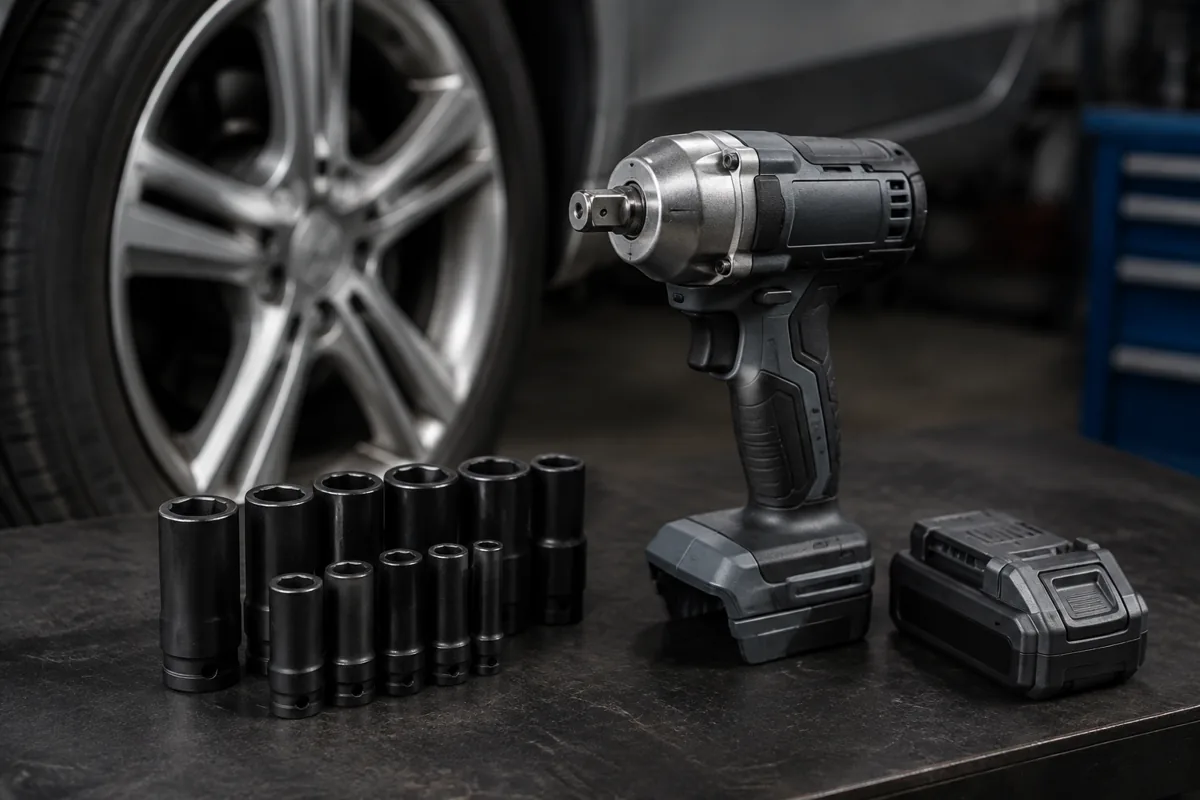
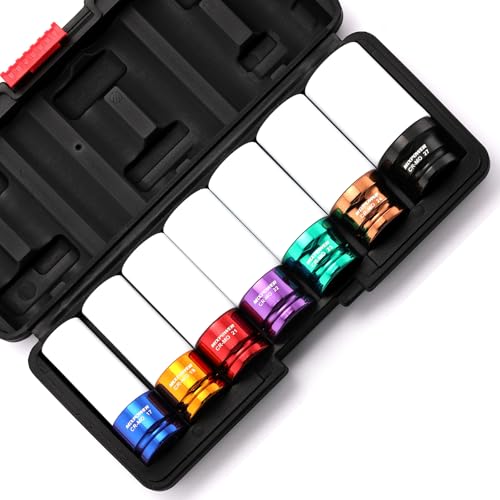
Check the set’s size range and increments before buying. A set that skips a size you routinely encounter can leave you reaching for a loose socket that may not be impact-rated. Also compare shallow and deep coverage: shallow sockets fit better in restricted spaces, while deep sockets reach nuts on long studs. Wheel work may call for thin-wall sockets, but thin walls leave less material around the socket and are more vulnerable to damage.
Drive size matters too. A 1/2-inch drive is common for car and light-truck work; 3/8-inch sets suit smaller fasteners and tighter spaces, while 3/4-inch tools are for heavier applications. Match the socket’s drive to the tool and the job rather than relying on an adapter as a permanent fix. If you need broad automotive coverage, compare Sunex impact socket sets with Tekton impact socket sets by size range and included depths.
At a glance
| Factor | Sunex | Tekton |
|---|---|---|
| Best reason to choose | Broad impact-socket selection and established shop use | Useful set coverage and accessible replacement support |
| Fit | Judge the individual socket, size and condition | Judge the individual socket, size and condition |
| Durability | Depends on material, wall thickness, fit and use | Depends on material, wall thickness, fit and use |
| Set-buying check | Confirm drive size, range, depth and thin-wall needs | Confirm drive size, range, depth and thin-wall needs |
| Good match | Frequent automotive use or a specific coverage need | Home-garage use and buyers comparing complete sets |
Durability and common failures
Impact sockets are made to handle hammering from impact tools, but “impact-rated” does not mean indestructible. The most common signs of trouble are a rounded opening, a cracked socket wall, a damaged drive end or a socket that no longer sits squarely on the fastener. A socket that has split or visibly deformed should be retired, not moved to a less demanding job.
Fit is a major part of durability. A socket that is the wrong size can concentrate force on fastener corners; a partly seated socket can twist or slip under impact. Rust, paint and dirt can prevent full engagement. Clean the fastener and socket, seat the socket fully, and keep the tool aligned with the fastener. Avoid using a long extension at an angle to work around an obstruction: side-loads increase the chance of slipping or breakage.
Heat-treated impact sockets are generally thicker and softer than chrome hand sockets, helping them absorb repeated shock. That construction can make them bulky, especially around wheel lugs or in crowded engine bays. A thin-wall design may solve a clearance problem, but it has less material to withstand abuse. For high-torque or frequent shop work, inspect sockets regularly and replace questionable ones. For occasional tire changes, a well-fitting set used with care may last for years.
Which one should you buy?
Choose based on coverage, not brand loyalty. If one set includes the sizes and depths you actually use and the other leaves gaps, the complete set is usually the better buy—even if its headline price is higher. Compare the cost of filling those gaps with individual sockets, and check whether the case keeps sizes organized enough that you can spot a missing socket.
For a home garage doing brake, suspension and wheel work, either brand is generally adequate when the set matches the vehicle and wrench. Tekton is a reasonable pick when its available set gives you the coverage you need at a lower total cost. Sunex makes sense when its particular range, depth options or individual socket availability better fit your work. Don’t pay extra on the assumption that a brand name alone guarantees a tighter fit or longer life.
Buy a separate impact-rated thin-wall set if clearance around wheel lugs is the problem; don’t grind down a standard socket, since removing material can weaken it. For frequent lug-nut work, a thin-wall impact lug-nut socket set may be more useful than replacing an otherwise good general-purpose set. Use a torque wrench for final tightening rather than relying on the impact wrench’s setting, which can vary with battery charge, tool condition and how long you hold the trigger.
Before you put a set to work
Check the socket marking against the fastener, inspect the opening for cracks or rounding, and confirm the drive fits the impact wrench without excessive play. Test questionable fit by hand before applying power. If the socket rocks or fails to seat, stop and find the correct size. Those checks matter more to safe, long-lasting use than choosing Sunex over Tekton—or the reverse.