What's inside
As an Amazon Associate I earn from qualifying purchases. This post may contain affiliate links at no extra cost to you.
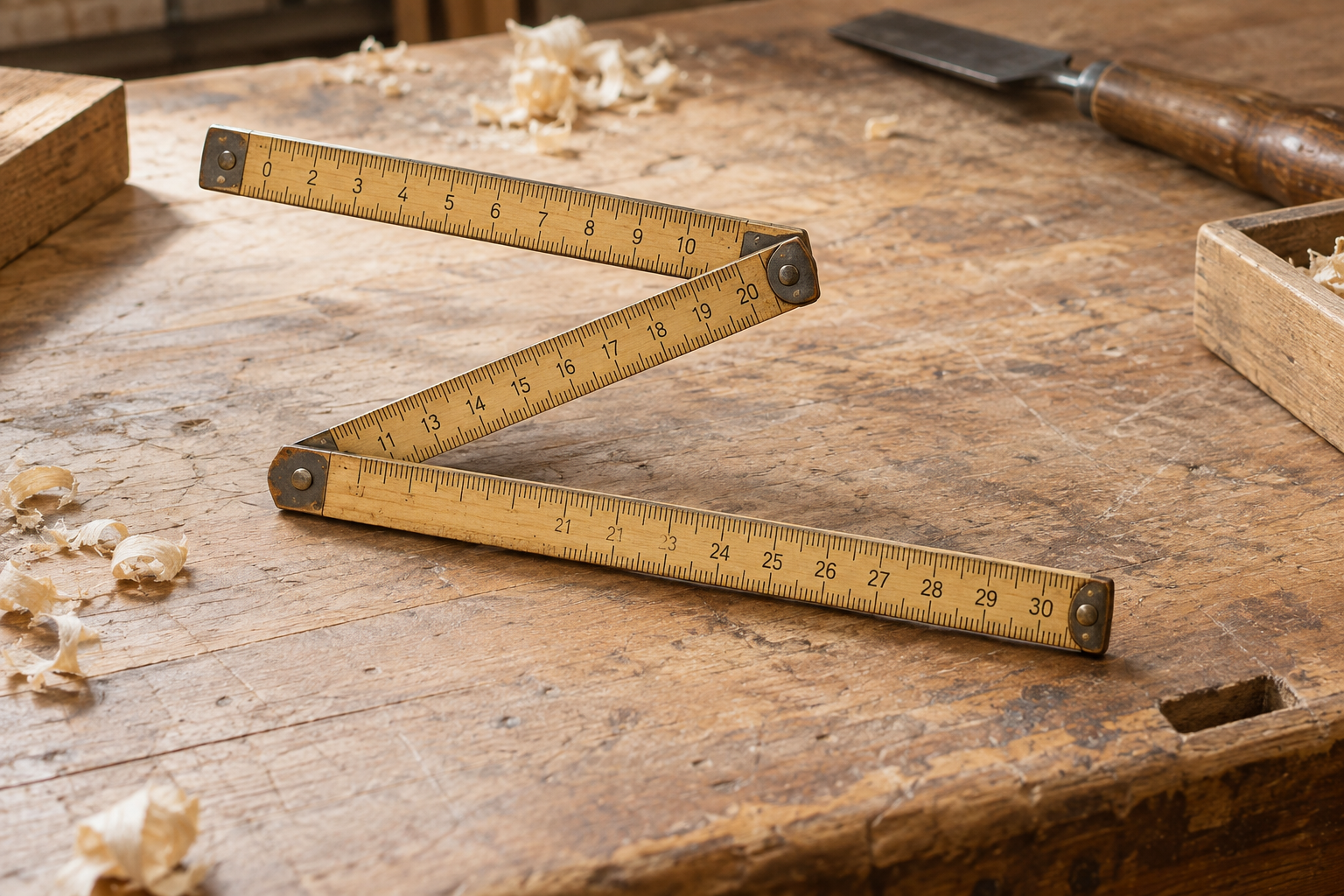
Stabila and Lufkin both make folding rules for carpentry and layout work, but the name on the rule matters less than its scale, hinge feel and ability to survive being carried loose in a tool bag. Stabila is commonly associated with metric folding rules; Lufkin offers folding rules in the North American market, including inch scales. Check the exact scale and configuration before buying: product lines vary, and neither brand name alone tells you whether a rule will suit a particular job.
As an Amazon Associate we earn from qualifying purchases at no extra cost to you.


Our Top Picks

Quick comparison
| What to compare | Stabila | Lufkin |
|---|---|---|
| Best fit | Buyers seeking a metric rule or a particular European-style layout | Buyers seeking a familiar inch-scale folding rule |
| Readability | Depends on the selected scale, printing and finish | Depends on the selected scale, printing and finish |
| Durability checks | Inspect hinges, joints and end condition | Inspect hinges, joints and end condition |
| Most important buying check | Confirm units, graduations and length | Confirm units, graduations and length |
This is not a claim that every Stabila rule is clearer or tougher than every Lufkin. Both brands sell different configurations, and finish, scale and condition can matter more than the logo. Compare the actual rule or its specifications, especially if you need a particular graduation or measurement system.
Readability and scale
Start with the units you use at the bench. If your plans, tape measure and shop references are in inches, an inch-scale folding rule avoids conversions and reduces the chance of transcribing the wrong number. If you work in metric, choose a clearly marked metric rule. For mixed work, a rule marked on both sides can be useful, but check that its scales are legible and that the markings match how you intend to measure.
Graduation size affects speed. A rule marked in eighths is easier to read at a glance than one crowded with sixteenths, while finer divisions help when the work calls for them. Don’t assume finer markings are automatically better: small, closely spaced numbers can be hard to distinguish in dim light or when the rule is dusty. Look for dark, consistent printing, clear numbering and enough contrast against the rule body. If buying online, zoom in on product photos or the maker’s scale diagram rather than relying on a listing title.
Also check where the zero falls and how the ends are finished. A damaged or worn end can throw off measurements when you butt the rule against a surface. For repeated fine layout, compare the rule against a trusted steel rule or tape over a known distance. A folding rule is handy for rough layout and inside measurements, but it is not a substitute for a verified precision standard.
Hinges and durability
The joints are the most important wear points. Open and close each section slowly: the hinges should move without grinding, excessive looseness or a section that flops past its intended position. A joint that feels stiff is not necessarily defective, but gritty movement can indicate dirt or wear. Loose hinges make it harder to hold a long rule straight and can introduce errors when measuring across several folded sections.
Check that the sections line up when opened. A bent segment, cracked joint or badly worn hinge can leave the rule bowed, which makes it awkward to use along an edge and unreliable for transferring a measurement. Avoid forcing a rule flat if it has a stop or hinge design that does not open that way. Follow the product’s intended movement; forcing joints sideways is a common way to damage them.
Material and finish affect how a rule handles abuse, but no folding rule is immune to drops, grit or being crushed under heavier tools. Keep it dry, brush dirt from joints and store it where it cannot be bent. If it gets wet, dry it before folding it away. For site work, inspect the hinges and ends periodically; a damaged joint is a practical reason to replace the rule, even if its markings still look fine.
Which one should you buy?
Choose a Stabila if the specific rule you’re considering has the units, length and graduations your work requires, particularly if you’re shopping for a metric layout tool. Choose a Lufkin if you need an inch-scale folding rule and have confirmed that the particular version is easy for you to read. Neither choice is a reliable shortcut around checking the scale and hinge construction.
For occasional household measuring, basic framing layout or rough cuts that will be checked against another tool, a less expensive folding rule can be perfectly adequate. Pay extra only when the markings are clearer for your eyes, the hinge action is better in hand, or the construction suits frequent jobsite use. Compare Stabila metric folding rules and Lufkin inch folding rules by the listing’s scale diagram and product details, not just the brand label.
Buying checklist
Before ordering, verify four things: units, total length, smallest graduation and hinge layout. Then check return terms in case the scale is harder to read than expected or the joints feel loose. If you already own a rule that works, take it along when comparing replacements; matching its units and graduation pattern can prevent mistakes when switching between tools.
For precision work, measure a known span before relying on a new rule for repeated cuts. For general use, prioritize legibility and hinges that hold their position. Those checks matter more than choosing a winner by brand alone.