What's inside
As an Amazon Associate I earn from qualifying purchases. This post may contain affiliate links at no extra cost to you.
Our Top Picks

The short answer
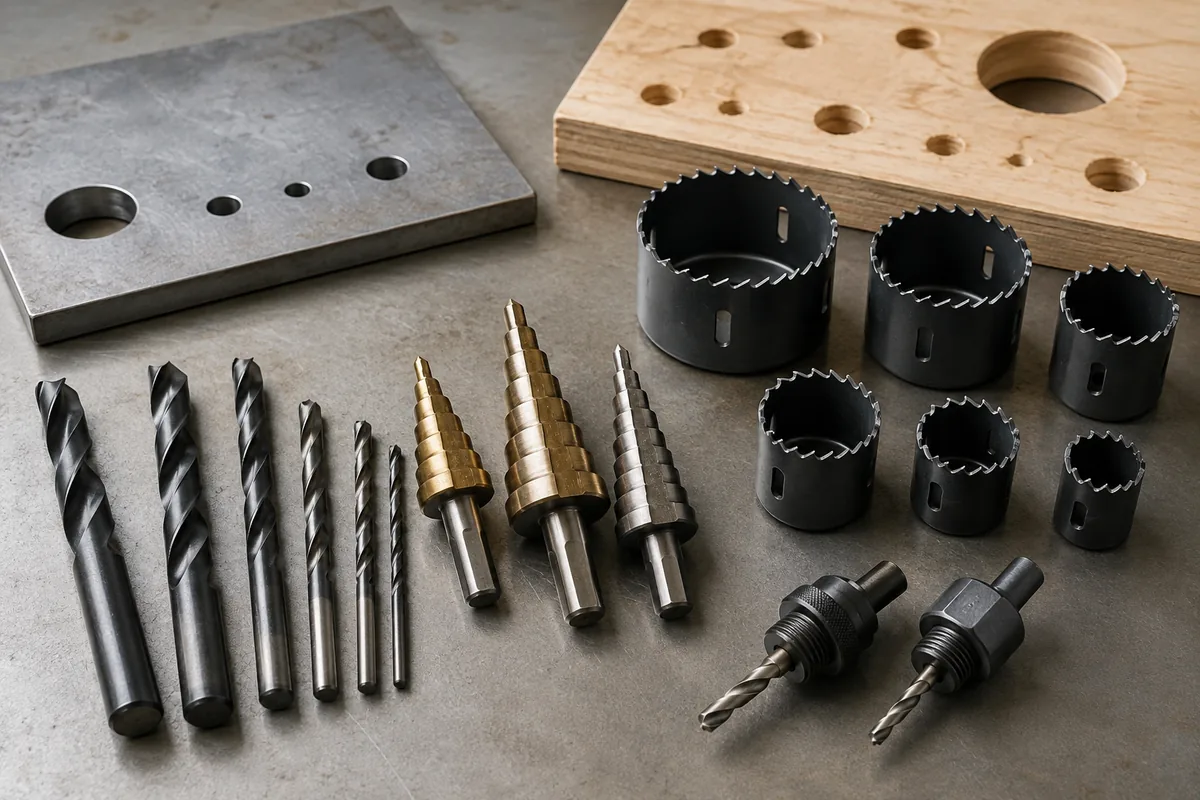
For repeated holes in thick steel plate, a Rotabroach-style annular cutter is usually faster, cleaner and less tiring than a twist drill. It removes only a ring of metal, leaving a slug, instead of turning the entire hole into chips. That matters when you are drilling dozens of holes through 1/2-inch, 3/4-inch or 1-inch plate.
A twist drill is still the better buy when you need a wide range of hole sizes, occasional holes, shallow holes, or work that cannot accommodate a magnetic drill. It is also more forgiving for holes near an edge and for drilling through mixed or interrupted material. The right choice depends less on maximum cutting speed than on the type of work you do repeatedly.
As an Amazon Associate we earn from qualifying purchases at no extra cost to you.


How the cutters differ
An annular cutter cuts around the outside of the hole with multiple teeth. A pilot pin locates the tool, retracts as the cutter enters, and often ejects the finished slug. A 1-inch-diameter annular cutter therefore removes a ring, not a solid 1-inch disk of steel. Less material means less motor load and fewer chips.
A twist drill cuts with two cutting edges across the full diameter. A 1-inch hole requires considerable torque, especially near the bottom of thick plate. In practice, large twist drills are commonly made as a pilot hole followed by one or more larger drills. That adds tool changes and makes it easier to wander off location.
Most annular-cutter work is done with a magnetic drill press. The magnet holds the machine against the plate while the cutter feeds vertically. For a starting point, compare magnetic drill presses for annular cutters with the cutter sizes you expect to use. A regular hand drill should not be treated as an equivalent substitute: it lacks the rigid feed and, on steel, can twist violently when a cutter catches.
Head-to-head comparison
| Factor | Annular cutter | Twist drill |
|---|---|---|
| Best use | Repeated holes in structural plate and channel | Mixed sizes, occasional holes and general fabrication |
| Typical speed | Often 20–60 seconds for a 1-inch hole through 1-inch mild steel, depending on machine and cutter | Often several minutes for the same hole, including pilot steps |
| Power demand | Lower cutting volume, but needs a rigid machine and strong magnetic hold | High torque at larger diameters; demands a rigid drill press or careful feed |
| Hole quality | Usually round, smooth and accurately located | Good when properly piloted; more prone to wandering and oversize holes |
| Consumable cost | Higher per cutter, but productive over many holes | Lower entry cost and more sizes from one drill set |
| Limitations | Needs enough flat magnetic surface and suitable cutter depth | Slow and tiring for many large holes; generates much more swarf |
Speed and hole quality
The time advantage becomes substantial above about 3/4 inch. With a sharp annular cutter, a 1-inch hole through 1-inch mild steel may take roughly 20 to 60 seconds of cutting. A twist drill may require a pilot hole, a larger intermediate drill and the final drill, with pecking and chip clearing between steps. The actual time varies with steel hardness, lubrication, feed rate and cutter condition, but the annular tool normally wins decisively once the hole count reaches the dozens.
Annular cutters also leave a smaller burr on the exit side. A twist drill can produce a heavy burr when the web breaks through, particularly if the operator pushes too hard at the end. A twist drill may be preferable, however, when the hole must be blind. Annular cutters are designed primarily for through-holes, while a twist drill can stop at a controlled depth.
For standard mild steel, use cutting fluid or a suitable drilling compound. Dry cutting overheats teeth quickly. Speeds vary by diameter, but larger cutters need slower spindle speeds; forcing a 1-inch cutter at a speed suitable for a 1/2-inch cutter can destroy the teeth. Follow the cutter maker’s speed chart rather than relying on a general “drill fast” setting.
Failure modes and safety
The most common annular-cutter failures are broken teeth, a slipping magnet and a cutter that stalls before the slug ejects. A weak or poorly seated magnet is especially dangerous. Paint, scale, chips and gaps under the magnetic base reduce holding force. Clean to bright metal, check the plate thickness, and use a safety strap whenever the machine is working above waist height or in an awkward position.
Do not retract a rotating cutter while it is still engaged in the plate. Keep the feed steady and let the teeth cut; excessive pressure can stall the motor or strip teeth. When the cut breaks through, the slug can fall suddenly and remain hot. Wear eye protection, secure loose clothing and never handle the slug immediately after cutting.
Twist drills have their own failure modes. A large drill can grab as it breaks through, spinning the workpiece or wrenching a hand drill from your grip. Clamp the plate, use a side handle on a high-torque drill, reduce pressure near breakthrough and avoid holding a loose plate by hand. A split-point or short pilot drill helps prevent walking, but it does not remove the need for clamping.
Which one should you buy?
Choose an annular-cutter setup if you regularly drill more than about 10 to 20 large holes in plate, especially holes from 3/4 to 2 inches. The time saved, cleaner holes and reduced physical effort can justify the cost of the magnetic drill and several cutters. Buy cutters with a depth greater than your thickest plate; a 1-inch cutter is not suitable for material thicker than its rated cutting depth. A useful starting set is a high-speed-steel annular cutter set in the hole sizes you actually use.
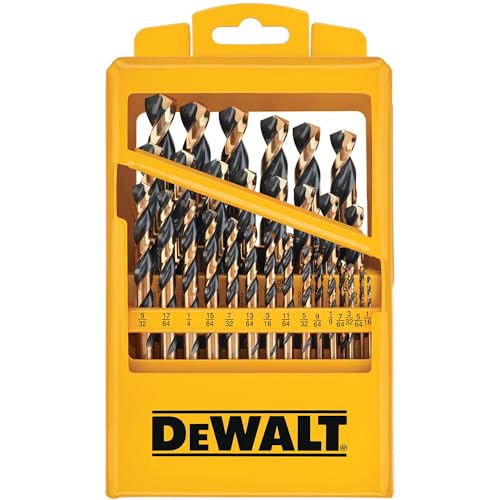
Choose a twist drill when your holes are infrequent, sizes change constantly, or the work is too narrow or irregular for a magnetic base. A good drill press and a set of split-point metal drill bits can handle occasional 1/2-inch and smaller holes economically. For one or two holes, the cheaper option is usually fine; buying a mag drill for that job is difficult to justify.
Also consider access. An annular cutter needs room for its body, pilot pin and magnet. If the hole is within roughly an inch of an edge, the magnet may not have enough contact area, depending on the machine. In that situation, a clamped workpiece and twist drill—or a conventional drill press—may be the safer and more practical solution.
Buying and setup checklist
Before ordering, confirm the cutter shank matches the machine, the cutter depth exceeds the plate thickness, and the cutter material suits the job. High-speed steel is a sensible general-purpose choice for mild steel. Carbide-tipped cutters can cut faster or handle tougher materials, but they cost more and are less tolerant of vibration and interrupted cuts.
Mark the hole accurately, clean the contact area, clamp or restrain the plate, apply cutting fluid and set the correct speed. Let the pilot pin find the mark before feeding the cutter. If you are drilling painted or coated steel, remove the coating where the magnet sits and where the cutter will enter. Those small setup steps usually matter more than buying the most expensive cutter.