What's inside
As an Amazon Associate I earn from qualifying purchases. This post may contain affiliate links at no extra cost to you.
Field fabrication in a remote location changes what matters in a magnetic drill. Shop power is unavailable, extension cords are a trip hazard, and a damaged cutter or flat battery may be hours away from replacement. The best cordless magnetic drill is therefore not simply the fastest machine. It needs dependable holding power, useful battery endurance, a practical cutting range, and controls that remain manageable on uneven steel.
As an Amazon Associate we earn from qualifying purchases at no extra cost to you.

Our Top Picks
 VEVOR 1450W Mag Drill PressW/ 2 in 6 pieces - Tapping (NEW)11 x 7.1 x 14.2 inches26.46 poundsCheck on Amazon

What Matters in the Field
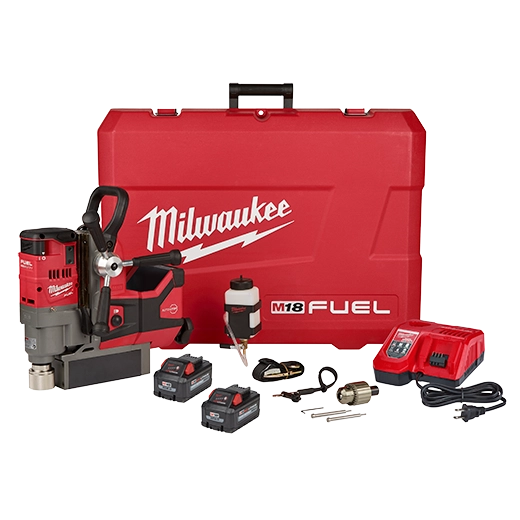
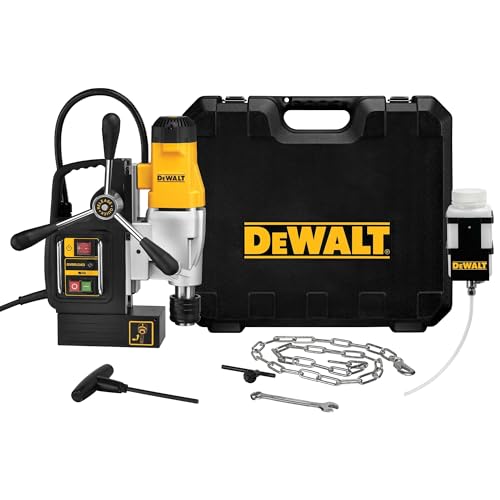
A cordless magnetic drill uses a permanent or electromagnetic base to grip ferrous steel while an annular cutter removes a ring of material. The cutter does less work than a twist drill of the same diameter, but it still creates high torque and significant side load if the slug jams. A good field setup should include a safety strap, cutting fluid, spare pilot pins, and at least two charged batteries.
Base holding force is only useful when the steel is thick and clean enough to support it. Paint, scale, rust, a curved surface, or a small contact patch can reduce grip dramatically. Most drills should not be trusted on thin sheet, heavily corroded steel, or overhead work without a secondary restraint. A safety chain or strap is not optional insurance; it prevents the tool from falling when the battery shifts or the magnet loses contact.
Before buying, check the manufacturer’s minimum material thickness and the rated cutter capacity. A drill advertised for 1-1/2-inch cutters may perform well with a 1-inch cutter but become slow and battery-hungry near its maximum. For common structural work, a 3/4- to 1-1/8-inch annular cutter range is often more useful than maximum capacity alone.
Cordless Versus Corded Magnetic Drills
Cordless machines are the obvious choice where generators and outlets are inconvenient, but they trade runtime for mobility. A large cutter through 1-inch steel can consume much more energy than a series of small holes. Cold batteries also deliver less power, and a pack that shows one bar may shut down under load.
| Type | Best use | Strengths | Limitations |
|---|---|---|---|
| Cordless magnetic drill | Remote repair, structural erection, utility and field fabrication | No generator or cord; quick setup; easy movement | Limited runtime; batteries add weight and cost |
| Corded magnetic drill | Shop work and long production runs | Continuous power; usually better sustained performance | Needs a reliable power source; cord management is troublesome |
| Compact cordless drill with attachment | Occasional small holes and light fabrication | Lower purchase cost; uses existing batteries | Less stable; generally lower cutter capacity and holding force |
For a remote crew already using a battery platform, the most sensible purchase is usually a full-size cordless magnetic drill on that same platform. Buying into a new battery system solely for occasional work can cost more than carrying a small generator and a corded tool.
The Best Buying Choice
For regular field fabrication, look for a professional cordless magnetic drill with a brushless motor, a two-speed gearbox, and a positive mechanical spindle control. Two speeds matter because a large annular cutter should run slower than a small cutter. Electronic speed control is useful, but it should not replace a proper low-speed range.
Prioritize a strong, wide base over the lightest claimed tool weight. A compact drill is easier to carry onto a ladder or scaffold, but a narrow base can be less forgiving when the steel is dirty or the tool is positioned near an edge. A swiveling or adjustable cutter guard can also be valuable because it keeps hands away from rotating tooling without obstructing access.
If you already own compatible high-capacity packs, a high-capacity 18V or 20V battery is generally preferable to a compact pack. Expect more weight, but also better runtime and less voltage sag. Two medium-to-large packs are more practical than one oversized pack: one can charge while the other works, provided you have vehicle or generator charging available.
Runtime and Battery Planning
Do not estimate capacity from the number of holes alone. A 3/4-inch hole in 1/2-inch plate is a very different job from a 1-1/4-inch hole through 1-inch structural steel. As a working rule, plan for a fresh battery for each demanding shift segment rather than assuming one pack will handle a full day.
Carry a charger that can run from your vehicle, inverter, or generator. Keep spare batteries warm in cold weather and out of direct sun in hot weather. A battery that overheats may stop charging until it cools. Letting the cutter rub without cutting, forcing a dull cutter, or running at the wrong speed creates heat quickly and can trigger thermal shutdown.
Cutting Tools and Common Failure Modes
Annular cutters are consumables, not permanent accessories. A dull cutter increases motor load, drains batteries, and encourages the operator to push harder. That extra pressure can break the pilot pin, twist the cutter teeth, or shift the magnet. Pack more cutters than the job theoretically requires, including spare pilot pins and springs.
Use cutting fluid whenever the position allows it. Paste or a controlled applicator works better than pouring liquid over an overhead hole. Start the cutter at the correct speed, keep steady feed pressure, and stop if the machine begins to chatter. Chatter usually points to a dull cutter, inadequate contact, loose setup, or incorrect speed.
Slug ejection is another field problem. The cut slug can remain trapped in the cutter, especially when chips pack into the kerf. Turn off the machine, remove the battery, and use pliers or a punch only after the cutter has stopped completely. Never try to clear a jam by reversing a heavily loaded cutter while holding the drill by hand.
When a Cheaper Tool Is Enough
A lower-cost compact cordless magnetic drill can be a sensible choice for occasional holes in clean, flat plate. It is fine when the work is near ground level, the cutter sizes are modest, and you already have compatible batteries. The savings disappear if you need to buy extra packs, replace cutters damaged by an underpowered motor, or recover a tool that slips from a thin workpiece.
For daily structural fabrication, choose the full-size professional machine with the better base, gearbox, service support, and battery availability. For a few jobs per year, rent a heavy-duty magnetic drill or use a corded model from a reliable corded magnetic drill and annular cutter kit. In remote work, reliability and a complete accessory kit usually matter more than saving a small amount at checkout.