What's inside
As an Amazon Associate I earn from qualifying purchases. This post may contain affiliate links at no extra cost to you.
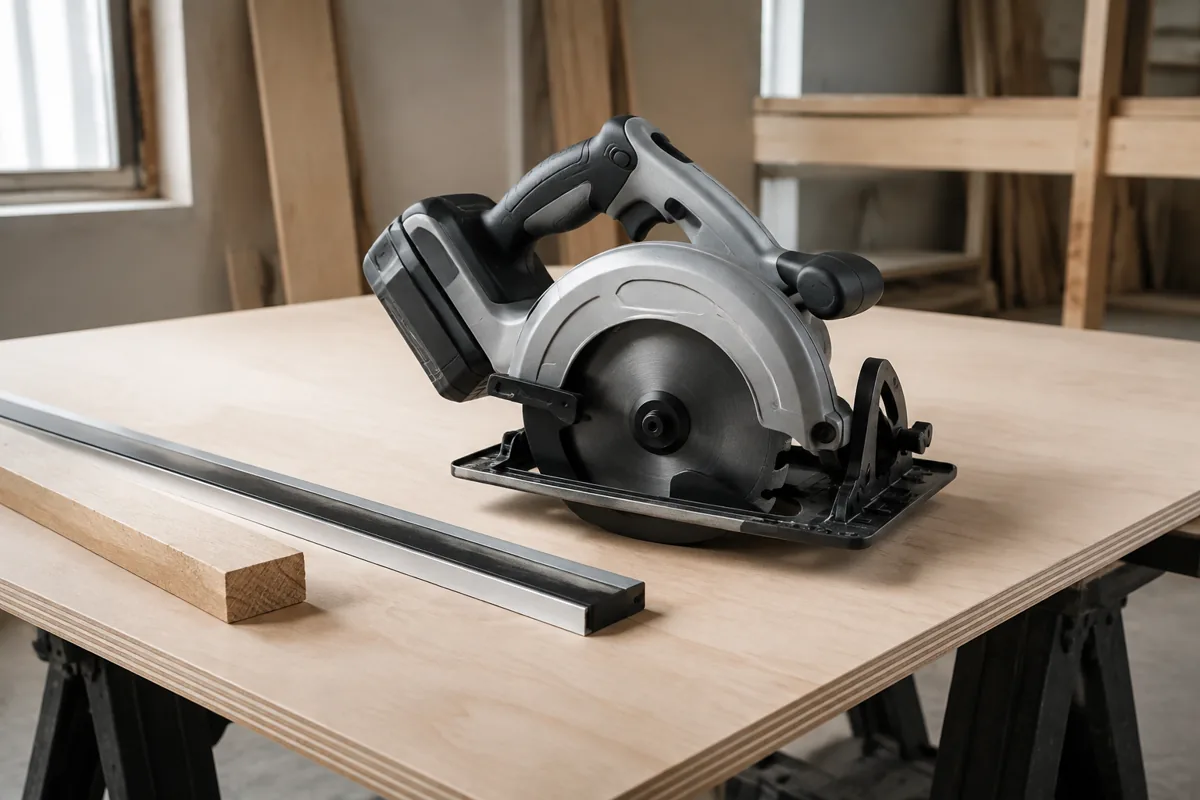
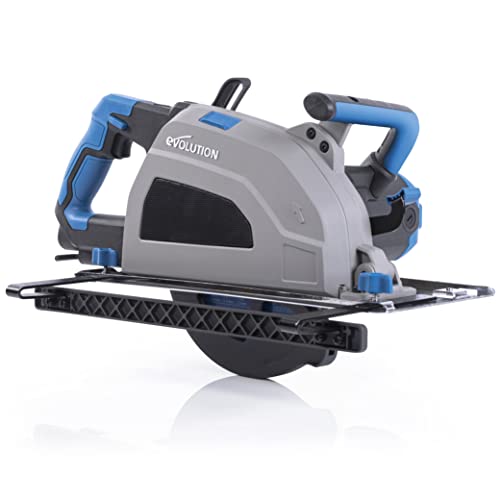
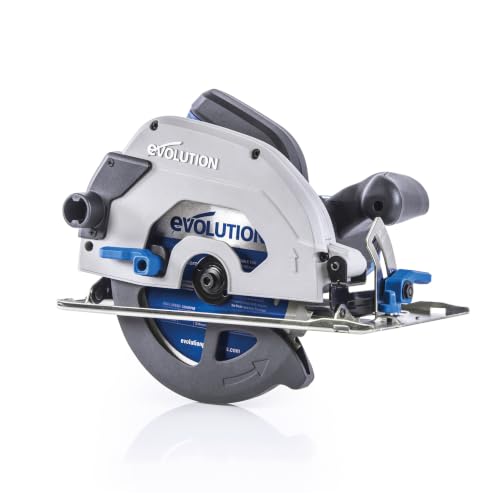
For most steel roofing work, a metal-cutting circular saw is the better tool for making long, straight cuts. It is faster, easier to guide along a marked line, and—when fitted with a blade made for ferrous metal—usually leaves a cleaner edge than an angle grinder. An angle grinder costs less, handles short notches and awkward cuts more easily, and may be the sensible choice for a small repair.
The important catch is that “better” depends on the panel, the cut, and how you manage hot metal debris. A fast, neat cut is not worth damaging the panel’s coating or starting a fire in dry roofing materials.
As an Amazon Associate we earn from qualifying purchases at no extra cost to you.


Our Top Picks


Quick comparison
| Factor | Metal-cutting circular saw | Angle grinder |
|---|---|---|
| Best use | Long, straight cuts and repeated panel sizing | Short cuts, notches, curves, and occasional repairs |
| Typical cut quality | More consistent on straight runs | Depends heavily on hand control; easier to wander |
| Speed on a long cut | Usually faster and steadier | Slower to guide accurately over distance |
| Entry cost | Higher if you need to buy the saw and blade | Often lower if you already own a grinder |
| Main risk | Blade binding, kickback, and hot chips | Wheel breakage, kickback, and widespread sparks |
| Panel coating | Can still be damaged by hot chips or the wrong blade | Greater risk of scorching paint and leaving abrasive debris |
Why a metal-cutting circular saw usually wins on straight cuts
A dedicated metal-cutting saw is designed to keep a metal-rated blade aligned and moving through sheet steel. That matters when you are trimming a panel several feet long: a stable shoe and controlled feed make it easier to follow a straightedge or chalk line than it is with a small grinder held freehand.
Use a blade specifically rated for cutting ferrous metal, and check that its diameter and arbor match the saw. Do not assume a wood-cutting blade is suitable because it fits. The wrong blade can cut poorly, overheat, or create a serious safety hazard. Choose a blade appropriate for the panel’s thickness and the saw’s stated speed.
A circular saw is a strong choice if you are cutting multiple panels to length or making repeated straight trims. For a one-off cut, however, buying a saw and a suitable blade may cost more than the job warrants. A metal-cutting circular saw makes sense when you will use it often enough to justify the setup.
Where an angle grinder is the better pick
An angle grinder is more adaptable around obstacles. With a suitable metal-cutting wheel, it can make short cuts, trim a corner, or open a notch where a circular saw’s base plate cannot sit flat. If you already own a grinder and need only a few cuts, it is often the cheaper practical option.
The trade-off is control. A grinder’s small wheel can drift off line, especially over a long cut or when the panel flexes. It can also leave a rougher edge that needs careful deburring. A thin cutoff wheel is for cutting, not side-grinding; pressing its side against the work can damage or break it. Use a wheel rated for the grinder’s maximum speed, keep the guard in place, and avoid twisting the wheel in the cut.
For a small repair, a metal-cutting angle grinder and cutoff wheel can be entirely adequate. It is not the economical choice if a wandering cut ruins an expensive panel, so mark and support the work before starting.
The coating and hot-chip problem
Steel roofing panels are commonly painted or coated, and cutting can expose bare steel at the edge. Neither tool eliminates that issue. The saw’s metal chips can land on the panel and roof; grinder sparks and abrasive debris can travel farther and may scorch finishes. Hot particles left on a coated surface can become rust spots, sometimes called rust bloom, after they cool and corrode.
Keep the cut area clear of sawdust, dry leaves, insulation, and other combustible material. Work on a stable surface, and direct sparks and chips away from people, glazing, vehicles, and finished panels. After cutting, sweep or blow away debris only when it is safe to do so; check the panel and surrounding surfaces for embedded or hot particles. Follow the roofing manufacturer’s instructions for protecting cut edges and repairing coating damage. Wear eye and hearing protection, gloves appropriate to the task, and other protective equipment specified by the tool and wheel or blade makers.
How to get a cleaner, safer cut
Measure twice, mark the cut, and support the panel close to the line without trapping the offcut. A thin panel can vibrate, buckle, or snag if left unsupported. Clamp it where practical, but keep clamps and hands clear of the blade or wheel path. Let the tool reach operating speed before engaging the steel, and feed steadily rather than forcing the cut.
For a circular saw, keep the shoe flat and do not twist the saw to correct a line. Binding can cause kickback. For a grinder, hold the tool firmly with both hands and let the wheel cut at its own pace. Stop if the wheel binds, cracks, or begins to wobble. Deburr sharp edges with a suitable hand file or deburring tool, taking care not to damage the panel finish.
Which should you buy?
Choose a metal-cutting circular saw if you have several long, straight cuts to make and value repeatable alignment. Choose an angle grinder if the job involves short or irregular cuts, you already own one, or the cost of a dedicated saw is hard to justify. If you are still comparing options, search for a blade rated for cutting steel roofing that matches your saw before assuming an existing blade will work.
For a single small trim, a grinder can be the cheaper, perfectly serviceable choice. For multiple full-length panel cuts, the circular saw is generally easier to control and more efficient. In either case, the blade or wheel must be rated for the tool, the panel must be supported, and hot debris must be kept off the roof finish and away from anything flammable.