What's inside
As an Amazon Associate I earn from qualifying purchases. This post may contain affiliate links at no extra cost to you.
Our Top Picks


What these drivers are
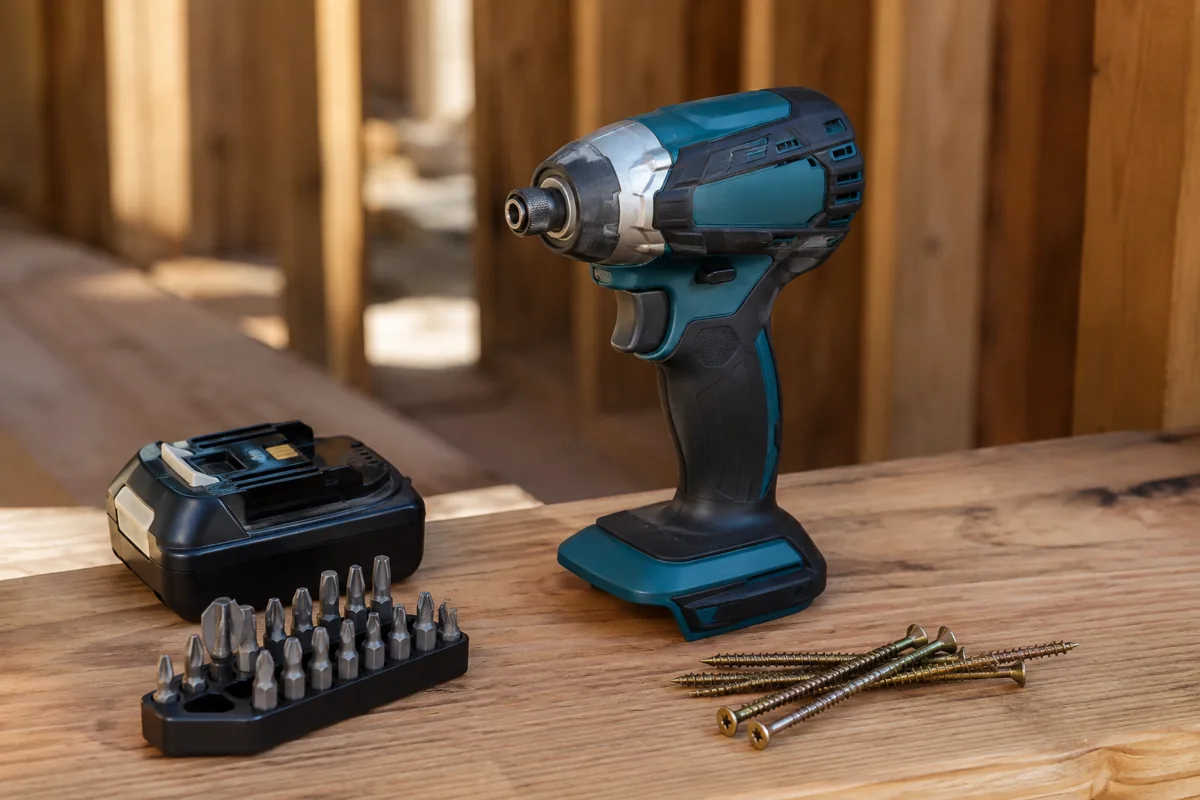
The Milwaukee M12 FUEL impact driver and Bosch PS42 are compact 12V tools for driving screws and smaller fasteners where a full-size 18V driver feels bulky. Both use an impact mechanism: rapid rotational blows help keep the bit turning under load, so the tool puts less twisting force into your wrist than a drill driving the same screw.
They are not interchangeable with a drill for every job. An impact driver has a 1/4-inch hex collet, not a three-jaw chuck, and is a poor choice for clean, accurate holes. Use a drill for drilling, countersinking, or delicate work; choose an impact driver for repeated fastening. Within that category, the Milwaukee is the stronger choice for demanding use, while the Bosch makes sense when compactness, price, or an existing Bosch 12V battery system matters more.
As an Amazon Associate we earn from qualifying purchases at no extra cost to you.


At a glance
| Feature | Milwaukee M12 FUEL impact driver | Bosch PS42 |
|---|---|---|
| Battery platform | Milwaukee M12, 12V | Bosch 12V |
| Chuck | 1/4-inch hex quick-change collet | 1/4-inch hex quick-change collet |
| Speed settings | Three drive modes, including a self-tapping screw mode on applicable versions | Two speed settings |
| Published maximum torque | Up to 1,300 in-lb | Up to 975 in-lb |
| Best fit | Frequent fastening and greater control over different jobs | Light to moderate fastening in tight spaces |
Specifications can vary by exact tool generation and kit, so check the product listing or manual before buying. Maximum torque is a laboratory-style rating, not a promise that the tool will drive every large lag screw to a particular depth. Battery condition, screw size, material, and bit choice all affect real results.
Power, speed, and control
The Milwaukee’s higher published torque gives it more headroom for long structural screws, larger fasteners, and jobs where the tool is working hard for several minutes at a time. Its three modes are useful when one day’s work includes cabinet hardware, deck screws, and self-tapping screws. A lower setting can reduce the risk of stripping a screw head or snapping a small fastener; it does not replace a careful trigger hand.
The Bosch PS42’s 975 in-lb rating is still substantial for a compact 12V tool. For common tasks such as assembling furniture, installing hinges, fastening electrical boxes, or driving modest-length screws into framing, it can be entirely adequate. Its two settings offer less fine control than the Milwaukee, but fewer modes are not a drawback if most of your work is repetitive and familiar.
Neither tool should be used to force a fastener through a difficult material without preparation. For a screw near the end of a board, drill a pilot hole to reduce splitting. If a screw binds, back it out and clear the hole rather than leaning on the trigger until the bit cams out. That prevents damaged screw heads, chewed-up bits, and avoidable strain on the tool.
Size and comfort
Both drivers are built for cramped work compared with typical 18V impact drivers. The Bosch PS42 is especially appealing when access is the main concern; a shorter tool body can fit between joists or inside a cabinet where a larger driver cannot line up squarely. The Milwaukee is also compact, but its performance advantage is less useful if the extra reach or balance does not suit the space you work in.
Try either tool with the battery installed if you can. A compact bare tool can feel different once a battery is attached, and a tool that is easy to balance one-handed may be more comfortable during overhead fastening. The 1/4-inch collet accepts standard hex-shank bits, but bits still need to be seated fully. A partially engaged bit can wobble, slip, or damage the fastener.
Battery platform and kit value
Battery compatibility often decides this comparison more than a modest difference in tool price. If you already own M12 batteries and a charger, the Milwaukee bare tool may be the sensible buy. If your Bosch 12V batteries are in good condition, the PS42 can be a better value even if it is not the more powerful option. Batteries from these two systems are not interchangeable.
For a first purchase, compare the complete kit price, including battery capacity, charger, and case—not just the bare tool. A second battery is useful for a day of regular fastening, but a large battery can make a compact driver less comfortable in tight spots. Look for a kit or 12V impact driver kit that suits your expected workload rather than paying extra for battery capacity you will rarely use.
Which one should you buy?
Choose the Milwaukee M12 FUEL if you fasten often, want more torque reserve, or value its extra drive modes. It is the more flexible pick for a small trade kit or a household tool that will see a mix of fasteners. The added capability is worthwhile when you regularly drive longer screws or need to switch between delicate and demanding work.
Choose the Bosch PS42 if your work is mostly light to moderate fastening, you already own Bosch 12V batteries, or its compact form is the deciding factor. It is not automatically a poor buy because its torque rating is lower. For assembling shelving, fitting cabinets, and handling ordinary repair jobs, the less powerful tool can save money without slowing you down.
If neither brand’s battery system suits you, compare current compact 12V impact drivers by body length, control settings, kit contents, and warranty—not peak torque alone. For work that involves drilling holes as well as driving screws, a drill-driver is a better first tool, or pair one with an impact driver if you need both functions often.
Getting better results
Use a sharp, correctly sized driver bit; a worn Phillips bit is a common cause of cam-out. Start each screw slowly and keep the tool aligned with the fastener. For small screws, begin on the lower speed setting and stop as soon as the head seats. Impact drivers can tighten a fastener quickly enough to strip soft material before you notice, especially with short screws in particleboard or plastic.
For long screws in hardwood, drill a pilot hole sized for the screw’s core and use a fresh bit. If the tool repeatedly stalls, overheats, or cannot finish a task with a charged battery and suitable pilot hole, step up to a higher-voltage driver or use a different fastening method. A compact 12V tool is a useful convenience, not a substitute for matching the tool to the fastener and material.