What's inside
As an Amazon Associate I earn from qualifying purchases. This post may contain affiliate links at no extra cost to you.
Our Top Picks
 DEWALT 20V MAX* Angle Grinder Tool Cordless BrushlessOne Size12.2 x 4.7 x 6 inches3.75 poundsCheck on Amazon
 DEWALT FLEXVOLT ADVANTAGE 20V MAX* Angle GrinderOne Size13.11 x 1 x 4.9 inches1 PoundsCheck on Amazon
 DEWALT FLEXVOLT 60V MAX* Angle Grinder with KickbackOne Size9.1 x 9.1 x 9.1 inches1 poundsCheck on Amazon
 DEWALT 20V MAX XR Brushless Cordless Angle GrinderSTANDARD13.3 x 6.5 x 5.7 Inches4.74 PoundsCheck on Amazon
The short answer
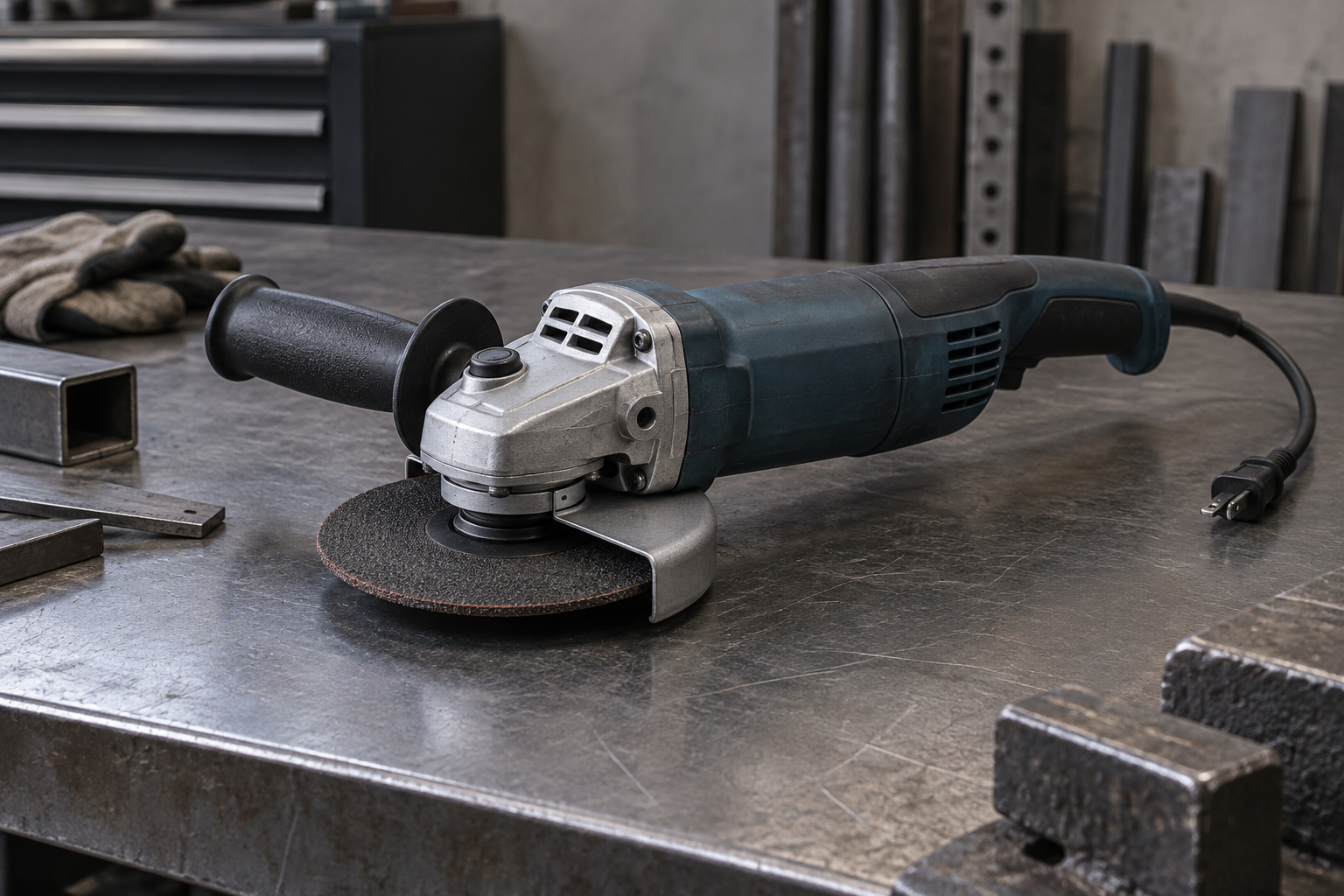
For occasional cuts on a jobsite, a cordless angle grinder is usually the easier tool to use. It needs no outlet or extension cord, and cutting a few pieces of rebar is well within the reach of a modern 4½- or 5-inch grinder. For repeated cuts, long sessions, or the lowest upfront cost, a corded grinder makes more sense—provided you have safe access to power.
The choice is less about whether either type can cut rebar and more about how many cuts you need, how long you can tolerate stopping to change batteries, and whether a cord will get in the way. Both tools need a suitable metal-cutting abrasive wheel, eye and face protection, and a secure workpiece.
As an Amazon Associate we earn from qualifying purchases at no extra cost to you.



What cutting rebar demands
Rebar is hard enough to wear down a wheel, but it is not a reason to force the grinder. A common 4½-inch metal cutoff wheel is about 1 mm thick and cuts quickly when kept straight. A ⅜-inch bar may take only several seconds of actual cutting; a ¾-inch bar takes longer and puts more heat and load on the tool. Exact times vary with steel, wheel condition, grinder power, and how firmly the bar is held.
Use a wheel marked for cutting metal and sized and rated for your grinder. Never use a wheel with a lower maximum RPM rating than the grinder’s no-load speed. A cutoff wheel is for straight cuts, not grinding or side loading; twisting it in the kerf can crack it and send fragments outward. Let the grinder reach speed, guide it through the bar without leaning hard, and replace a wheel that is cracked, chipped, or badly worn.
Corded vs cordless at a glance
| Factor | Corded grinder | Cordless grinder |
|---|---|---|
| Best fit | Repeated cuts near reliable power | Scattered cuts, outdoor work, or moving around |
| Runtime | Continuous, subject to heat and duty cycle | Limited by battery capacity; spare batteries reduce downtime |
| Handling | Light tool, but the cord can snag or cross the work area | No cord, but battery weight makes the tool bulkier |
| Cost to get started | Often lower if you already have an outlet and extension cord | Higher if buying the tool, batteries, and charger together |
| Main drawback | Needs a safe power route and suitable extension cord | Battery can run down mid-task; replacement packs cost more |
When a corded grinder makes sense
A corded unit is the practical choice if you are cutting dozens of bars in one place, working in a shop, or already own compatible power equipment that makes setup cheap. You can keep cutting without waiting for a pack to recharge. That matters more than peak speed when the job is repetitive.
Check the grinder’s rated current and use an extension cord of an appropriate gauge and length; a long, undersized cord can cause voltage drop and make the motor run poorly. Route it behind you, away from the wheel and the rebar, and use a grounded outlet with suitable protection in damp or outdoor conditions. A corded grinder is not automatically safer or more powerful in practice: poor cord routing creates a trip hazard and can put the cable near sparks.
If you only need to cut a handful of bars, a basic corded grinder is often the cheaper sensible buy. Browse corded 4½-inch angle grinders and compare the tool’s amperage, guard, side handle, and wheel diameter rather than choosing by a large advertised wattage alone.
When cordless makes sense
Choose cordless when the rebar is scattered around a slab, trench, or outdoor site, or when a cord would need to cross a walkway. A battery grinder is also handy for a few cuts during a larger repair because there is little setup. The trade-off is that battery capacity falls faster under sustained cutting than under light grinding, especially with a compact pack or an older battery.
For a short job, one charged battery may be enough. For repeated cuts, plan on a spare pack and allow for charging time. Battery size and tool compatibility matter: a grinder sold as “bare tool” may not include either battery or charger. If you already own packs in a tool platform, check that the grinder is compatible and budget based on the batteries you actually have. Compare cordless 4½-inch grinders with the battery included—or not—clearly in mind.
How to cut rebar safely
Clamp the bar so the cutoff will not pinch the wheel as it drops. Keep the piece being cut from falling onto your feet, and support long stock on both sides without closing the kerf. If the bar is embedded in concrete, check what is behind and around the cut: grinding sparks can ignite dry material, and cutting may damage concrete or conceal other utilities.
Wear safety glasses under a face shield, hearing protection, and gloves that fit without loose cuffs. Keep bystanders clear of the spark path. Hold the grinder with both hands, keep the guard between you and the wheel, and stand out of the wheel’s plane when starting it. Stop if the wheel binds, the grinder labors, or the bar moves. Let the wheel stop before setting the tool down.
A grinder is not always the fastest tool for a large batch. A rebar cutter or chop saw can be more consistent and may reduce hand fatigue, but it costs more and is less convenient for awkward in-place cuts. For a few bars, buying one of those tools is often unnecessary.
Which one to buy
Buy corded if you have reliable power, expect sustained cutting, and want the lowest-cost route to uninterrupted work. Buy cordless if portability and avoiding a cable are worth the battery expense, especially if you already own compatible packs. For just a few cuts, either type will do; use the grinder you can operate and secure safely rather than paying extra for power you will rarely use.