What's inside
As an Amazon Associate I earn from qualifying purchases. This post may contain affiliate links at no extra cost to you.
Our Top Picks


The short answer
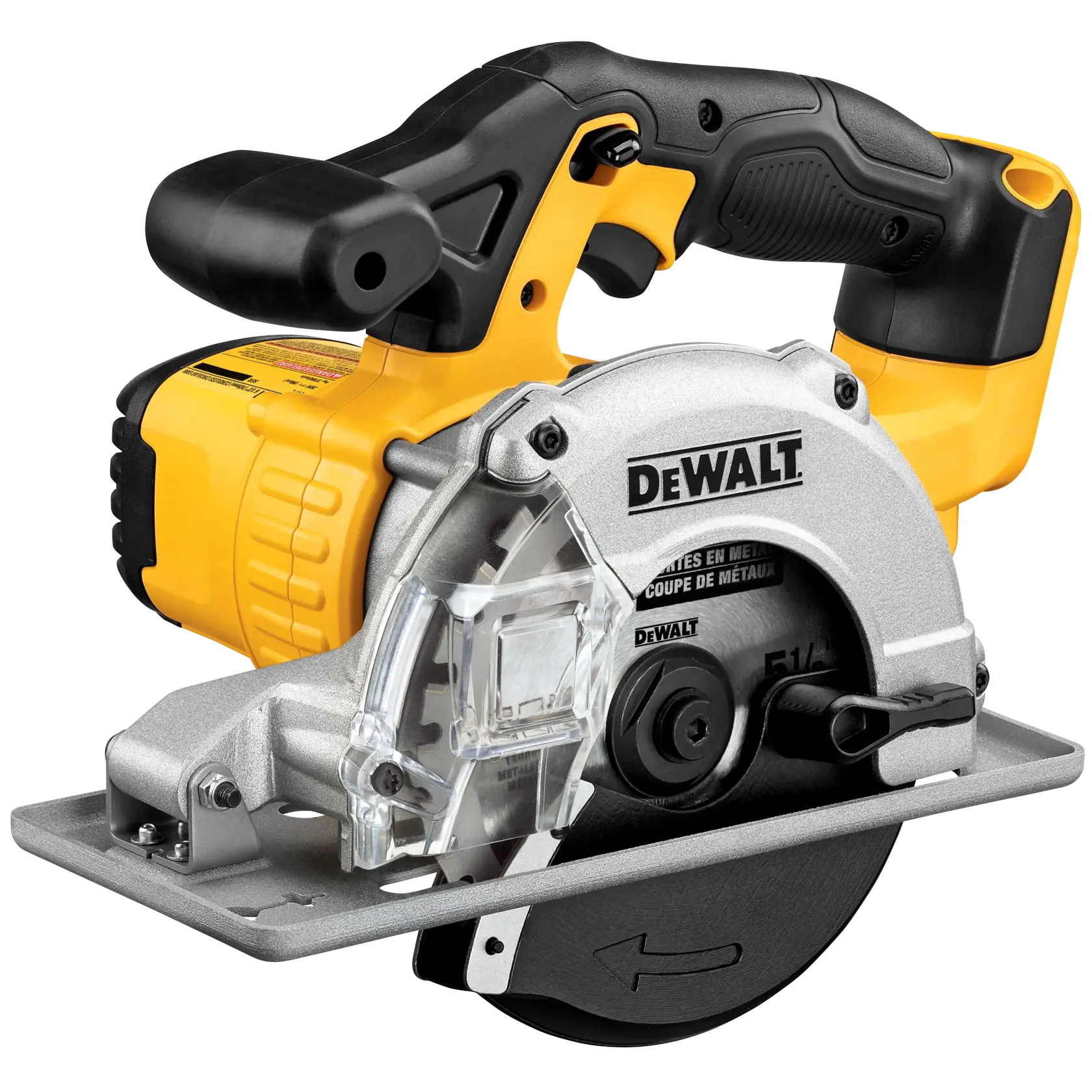
For cutting conduit, the Milwaukee M18 FUEL metal saw is usually the cleaner, faster choice—especially for repeated cuts in EMT. Its larger blade and metal-cutting design suit the job. The DeWalt DCS373 is a compact 5-1/2-inch metal-cutting circular saw that can make neat cuts too, but its smaller blade and less forgiving setup make it a better fit for occasional cuts and tighter spaces than for a day of conduit work.
Neither saw replaces a tubing cutter when you need a burr-free end ready to accept a fitting. Both leave a sharp edge that needs deburring. The real comparison is how cleanly they cut, how easy they are to control, and how much cleanup each cut takes.
As an Amazon Associate we earn from qualifying purchases at no extra cost to you.



What these saws are—and are not
The Milwaukee M18 FUEL metal saw is an 8-inch-class cordless metal-cutting saw built around a dedicated metal-cutting blade. The DCS373 uses a 5-1/2-inch blade and is designed for cutting sheet metal and similar materials. Both are cold-cut-style tools compared with an abrasive wheel: they make chips rather than throwing a stream of sparks, but they still create hot, sharp swarf.
For conduit, use the right blade for the material and thickness. A fine-tooth ferrous-metal blade is the usual choice for steel EMT; aluminum conduit needs a blade rated for nonferrous metal. Don’t assume a blade supplied with the saw is right for every material. Check its markings and the saw’s manual before fitting it.
Which leaves the cleaner conduit cut?
With a suitable blade, a securely supported piece of EMT, and a square cut, either saw can leave an end that is usable after deburring. Milwaukee has the practical edge for repeat work: the larger blade is less cramped around common conduit sizes, and the saw is aimed directly at cutting metal stock. That makes it easier to keep a steady feed and maintain a consistent cut across multiple lengths.
The DCS373’s compact size is useful when access matters, but a small blade leaves less room for an awkward approach. If the conduit can shift or the saw enters at an angle, the cut can wander or leave a ragged edge. That is a setup problem as much as a saw problem. Clamp or support the conduit close to the cut, keep the shoe seated, and let the blade reach speed before advancing.
Neither tool makes a fitting-ready edge by itself. A burr inside the tube can catch conductors and damage insulation; a burr outside can stop a coupling from seating properly. Deburr both the inside and outside with a tool suitable for conduit, then check that the end is round and the fitting seats fully.
At-a-glance comparison
| Factor | Milwaukee M18 FUEL metal saw | DeWalt DCS373 |
|---|---|---|
| Blade size | 8-inch class | 5-1/2 inches |
| Best fit for conduit | Repeated cuts and general metal-stock work | Occasional cuts and compact access |
| Cut quality | Clean with the correct blade and firm support; still needs deburring | Can be clean, but alignment and support matter greatly |
| Trade-off | Larger tool and a higher-cost system commitment if you lack M18 batteries | Smaller blade limits versatility on larger stock |
Setup matters more than the logo
Mark the cut square around the conduit rather than relying on a single line on top. Secure the work so it cannot roll, and keep the offcut supported without pinching the blade. A thin-wall tube can deform if clamped too hard, so use a stable support and enough pressure to prevent movement—not enough to crush it.
Wear eye protection, keep hands clear of the blade path, and control where chips can go. Metal chips can be hot, and a cutoff can fall or twist as the final part of the cut breaks through. Don’t force the saw to compensate for a dull, damaged, or wrong-material blade. A rough cut, rising effort, or unusual vibration is a reason to stop and inspect the blade and setup.
For a tidy installation, plan on a few seconds of cleanup per cut. A conduit deburring tool is inexpensive compared with the cost of troubleshooting a nicked wire or a fitting that will not seat.
Who should buy which?
Choose the Milwaukee if you already own M18 batteries, cut steel stock regularly, or want one metal saw that is comfortable doing more than occasional conduit work. Its size is harder to justify if the only job is trimming a handful of tubes during a small electrical project. Check current kit and bare-tool pricing against what batteries you already own; platform cost can outweigh the difference in the saws’ capabilities.
Choose the DeWalt DCS373 if you are already on DeWalt’s compatible battery platform, value a compact tool, and mostly make short runs of conduit or sheet-metal cuts. It is a reasonable option when a dedicated metal saw is useful but the job does not call for frequent production cutting. A DCS373 search can help you compare availability, but verify whether a listing is tool-only or includes batteries and a charger.
When a saw is overkill
If you are cutting only a few pieces of EMT, a manual conduit cutter or suitable tubing cutter may be the simpler buy. It avoids battery-platform cost and can leave less cleanup, though cut capacity and effort depend on the tool and conduit size. For quick work on common small-diameter conduit, compare a manual EMT conduit cutter before committing to a metal saw.
For long batches, thick metal, or mixed materials, the Milwaukee is the stronger all-around pick. For occasional cuts where compact size and an existing battery platform matter more, the DCS373 is fine. In either case, the cleanest result comes from a sharp, material-appropriate blade, a square cut, firm support, and proper deburring—not from skipping those steps.