What's inside
As an Amazon Associate I earn from qualifying purchases. This post may contain affiliate links at no extra cost to you.
Our Top Picks
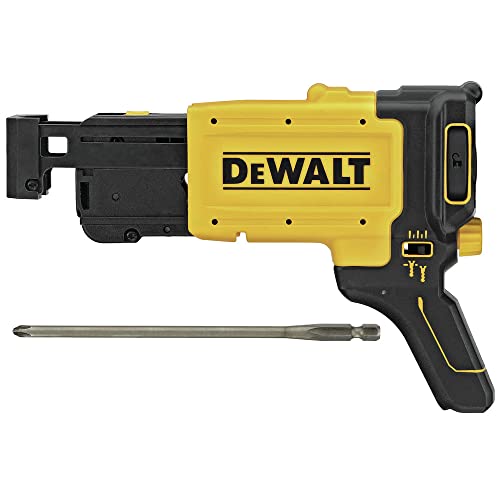 DEWALT Drywall Screw Gun Collated AttachmentOne Size6.38 x 2.63 x 9.25 inches1.4 PoundsCheck on Amazon
 Makita XRF02Z 18V LXT Lithium-Ion Cordless Autofeed ScrewdriverOne Size3.6 x 18.8 x 7.3 inches4.6 poundsCheck on Amazon


The basic difference
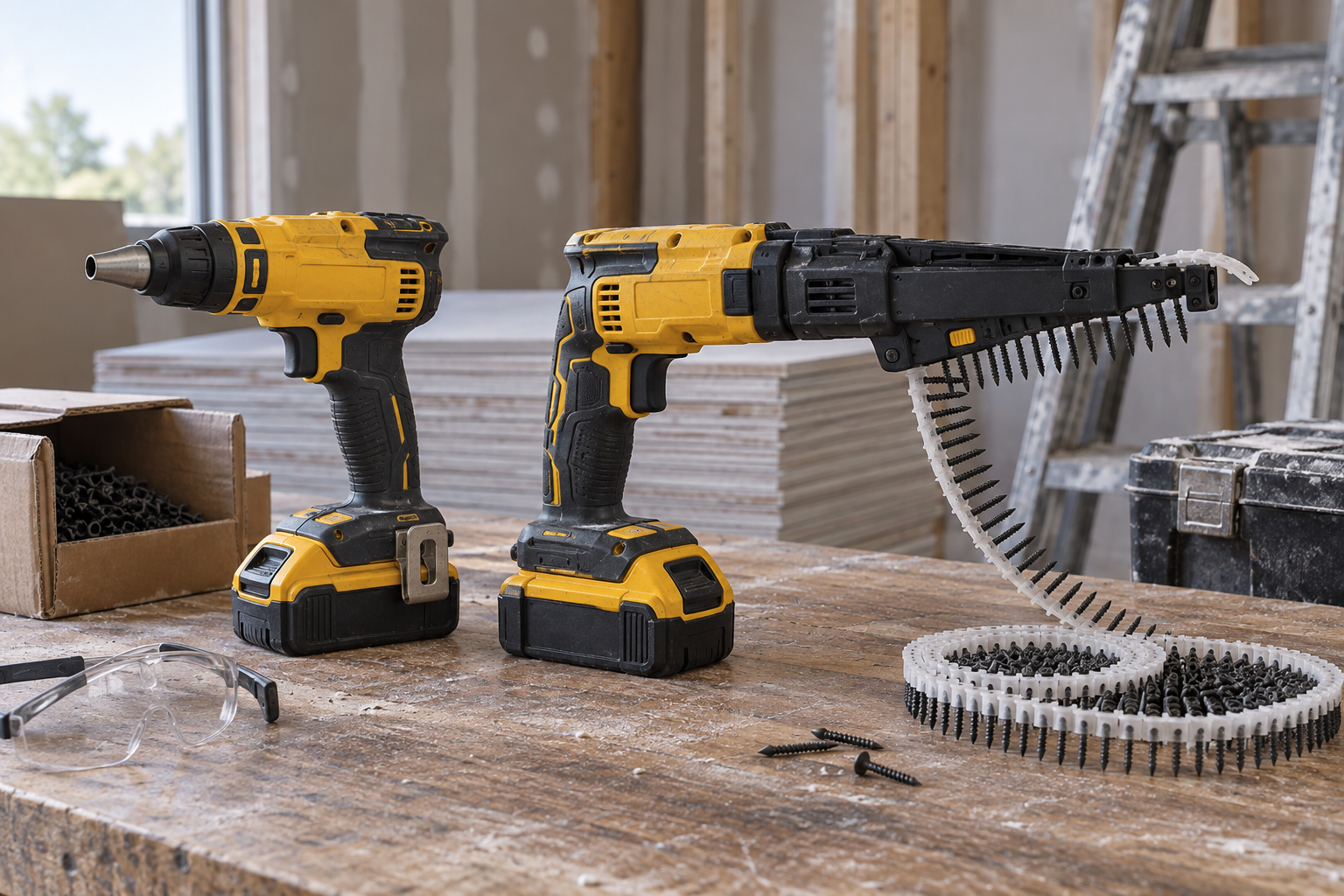
A collated deck screw attachment turns a compatible drill or impact driver into a tool that feeds screws from a plastic strip. A strip-fed screw gun is a purpose-built tool, usually with its own motor and a depth-setting nose, that also feeds collated screws. Both let you drive a run of screws without picking up each one. The main difference is whether you want an add-on for a tool you already own or a dedicated screw-driving machine.
For a small fence repair or a few dozen boards, the attachment is often the better buy. For several hundred screws in a day, a dedicated screw gun is generally faster and easier to keep consistent. Neither option is a substitute for using the right exterior-rated screw, setting depth carefully, and supporting the work.
As an Amazon Associate we earn from qualifying purchases at no extra cost to you.

What fence building demands
Fence work can mean two very different jobs. Attaching pickets to rails involves repeated screws, often in awkward positions, but the work is usually close to waist height. Building rails, gates, and corners calls for more varied fastening angles and lengths. A collated system shines on repetitive picket work; it is less compelling if most of your screws go into irregular framing or tight corners.
Check screw compatibility before buying. Collated strips are specific to the feeder’s screw size, head style, and strip angle. Many systems are designed for screws roughly 1 to 2 1/2 inches long, but the usable range varies. Fence pickets commonly call for exterior-rated screws around 1 5/8 to 2 inches, depending on the picket and rail thickness. Follow the lumber and fastener maker’s guidance, and do not assume a drywall screw or an indoor screw is suitable outdoors.
Side-by-side comparison
| Factor | Collated attachment | Strip-fed screw gun |
|---|---|---|
| Up-front cost | Lower if you own a compatible drill or impact driver | Higher; you are buying a dedicated tool |
| Setup | Fit the attachment, load a strip, and adjust the nose | Load a strip and set depth; no separate drive tool needed |
| Best use | Small or occasional jobs, mixed fastening | Long, repetitive runs of pickets or decking |
| Handling | Usually lighter to buy, but the combined tool can feel front-heavy | Purpose-built balance; may be heavier overall |
| Fastener changes | Often quick to remove, but strips and settings still limit flexibility | Convenient for repeated use; changing screw type may mean changing nose or setup |
| Typical drawback | Can be slower or less smooth if the host tool is a poor match | More money and storage space for a tool you may use only occasionally |
Speed and consistency on a fence
The largest gain is not raw motor speed. It is avoiding the cycle of reaching for a loose screw, placing it, and then driving it. On a run of 100 pickets with two screws per rail, that can mean handling 200 fasteners. Collation keeps the next screw ready, but you still need to position the tool squarely and let the feeder advance the strip.
A dedicated gun tends to be more predictable over long runs because its feed mechanism, nose, and motor are designed to work together. With an attachment, results depend on the host driver’s clutch, speed control, and fit. An impact driver can be forceful enough to bury heads or split dry pickets if you lean on it. Test the depth on scrap, then drive a few fasteners in a hidden or low-visibility area before committing to a whole fence.
Either system can leave a proud screw if the nose is tilted, the feeder is not seated against the board, or a strip fails to advance cleanly. It can also drive too deep if the depth setting is too aggressive or the wood is soft. Stop when a screw misfeeds: back it out or clear the nose according to the manual rather than forcing the tool through a jam.
Which one should you buy?
Choose an attachment if you already own a compatible driver, expect a modest fence project, and want to keep the purchase cost down. It is also a sensible choice if you need the driver for other work and can accept a little more setup and adjustment. Compare the attachment’s compatibility list with your exact tool; a matching battery brand alone does not guarantee a fit.
Look at a collated deck screw attachment when your work is occasional and you would rather not own another motorized tool. If you have a large fence, multiple properties, or frequent deck and board work, a dedicated cordless auto-feed screw gun is easier to justify. If you do not already own compatible equipment, compare the complete cost of the tool, feeder, batteries, and charger—not just the attachment price.
The cheaper option is perfectly adequate for a short fence. If the job is only 30 or 40 pickets, buying a dedicated gun may save little time once loading, repositioning, and cleanup are counted. For a long stretch of fencing, the reduced handling and more consistent operation can make the dedicated tool worth paying for.
Setup and common mistakes
First, confirm the screw length and strip type, then set the nose on a scrap piece made from the same material as the fence. Aim for a snug head that sits flush or just below the surface without crushing the wood fibers. Keep the tool perpendicular to the board, press it firmly enough to hold the nose against the work, and use a steady pace. For a typical picket, two screws at each rail are common, but the fence design and fastener instructions take priority.
Do not use a feeder as permission to rush. Pickets can vary in thickness, rails may not sit flat, and knots can deflect a screw. If the wood splits, move the fastening point away from the edge or end, use a suitable pilot hole where appropriate, or reconsider the screw size. Keep a hand clear of the nose and screw path, wear eye protection, and remove the battery before clearing a jam or changing the attachment.
Final buying check
Before ordering, check three things: the screw lengths the feeder accepts, whether it works with your exact drill or impact driver, and whether replacement strips are readily available. If your fence needs a screw outside the tool’s supported range, use a conventional driver for that fastening rather than forcing a mismatch. For a one-off, short run, an attachment keeps the investment sensible. For repeated, high-volume fence work, a dedicated strip-fed gun earns its place through smoother feeding and less repetitive handling.