What's inside
As an Amazon Associate I earn from qualifying purchases. This post may contain affiliate links at no extra cost to you.
The best tree stands for hunting depend on where you hunt: a lightweight hang-on suits mobile public-land hunters, a ladder stand wins for repeat access on private property, a climber is ideal for straight-trunk trees, and a roomy two-person stand is the safest comfort upgrade for long sits.
As an Amazon Associate we earn from qualifying purchases at no extra cost to you.


Our Top Picks
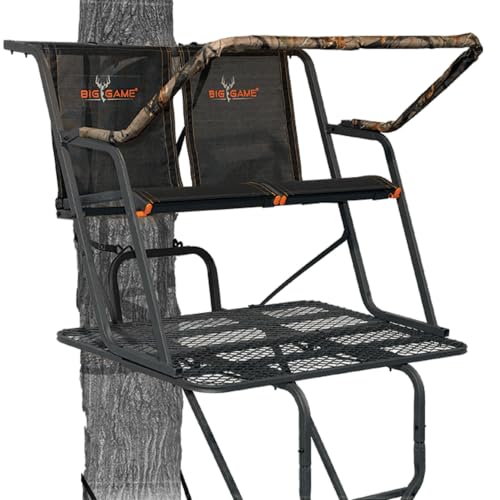 Big Game 2-Person Ladder Tree Stand for Hunting17' Spector XT55.5 x 15.25 x 9.25 inches0 PoundsCheck on Amazon
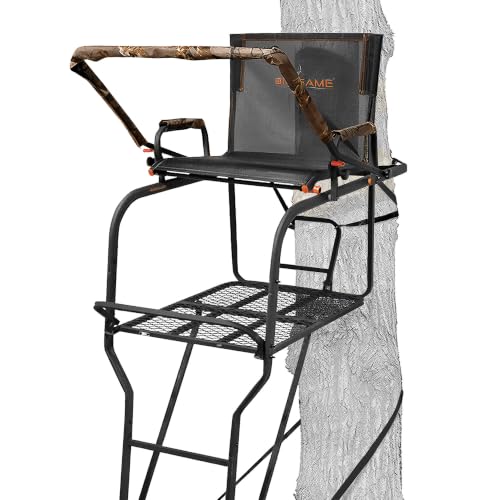
 Muddy 1-Person Huntsman Deluxe Steel Ladder Tree StandOne Size55.5 x 19.5 x 5.5 inches64 poundsCheck on Amazon

Quick picks by hunting situation
| Hunting situation | Best stand type | Target specifications | Why it fits |
|---|---|---|---|
| Public land, frequent moves | Lightweight hang-on | 12–20 lb; 24–30 in platform; 300 lb capacity | Packable and adaptable to many trees |
| One established private-land location | Ladder stand | 16–30 ft ladder; 300–500 lb capacity | Fast repeat access after initial installation |
| Straight, limbless hardwoods | Climbing stand | 20–30 lb; 19–24 in platform; 300 lb capacity | Climbs without a separate ladder or preset straps |
| All-day hunts or bowhunting | Large hang-on or two-person stand | 30–40 in platform; 20–35 in seat width | More room to stand, turn, and change position |
| Wind, rain, and repeated seasonal use | Heavy-duty ladder or hang-on | Steel or reinforced aluminum; weather-resistant finish | Greater stability and less movement in poor weather |
How to choose among the best tree stands
1. Match the stand type to the location
Hang-on stands offer the best balance of mobility, height, and platform size. They attach to a tree with straps, chains, or a climbing-stick system. A compact hang-on can weigh less than 15 pounds, while a larger steel model may exceed 30 pounds. Choose aluminum when you carry the stand far or move it several times each season; choose steel when maximum rigidity and lower cost matter more than pack weight.
Hang-ons require separate climbing equipment, usually climbing sticks or a ladder-style climbing aid. That adds cost, setup time, and components to inspect. They are also less forgiving of poor installation: the stand must be level, tightly secured, and connected to the tree before you leave the ground.
Ladder stands are the practical choice for a permanent or semi-permanent location. They are usually more stable for family members and less demanding to climb than a hang-on. The trade-off is transportation and installation. A 16- to 20-foot ladder stand commonly weighs 50–100 pounds, so raising one normally requires at least two adults and careful use of a lifeline.
Climbing stands combine the platform and climbing system in one unit. They are efficient when trees are straight, relatively smooth, and free of branches below the hunting height. They are a poor match for crooked trees, thick bark, multiple trunks, or locations where the tree diameter changes sharply. Before choosing one, verify both the manufacturer’s minimum and maximum tree diameter.
Ground-facing or enclosed stands can be useful where trees are unsuitable or concealment is limited, but they do not provide the same elevated visibility. For this article’s purpose, they are an alternative rather than a direct substitute for a tree stand.
2. Treat platform size as a safety and shooting specification
A small platform saves weight but reduces your margin for error. Compact platforms around 24 by 30 inches work well for mobile bowhunters who value packability. Platforms around 30 by 36 inches or larger provide noticeably better footing when standing, turning, drawing a bow, or managing a pack.
Platform dimensions are not interchangeable with seat dimensions. A wide seat does not compensate for a narrow standing area. For gun hunting, a modest platform may be sufficient if most shots are taken seated. Bowhunting often benefits from extra forward and side-to-side room because the hunter must stand quietly and rotate without stepping off balance.
Look for a textured or punched-metal surface that sheds water and reduces slipperiness. Mesh can be lighter, while expanded metal often feels more rigid. Avoid designs with large openings that can catch a boot or allow small equipment to fall through.
3. Use weight limits correctly
A listed 300-pound capacity generally includes the hunter, clothing, boots, backpack, weapon, and any accessories. If you weigh 235 pounds and carry 35 pounds of clothing and gear, your working load is already 270 pounds. That leaves only 30 pounds below a 300-pound rating.
For a simple sizing calculation:
Required capacity = body weight + clothing + equipment + safety margin.
Using the example above, 235 + 35 + 25 = 295 pounds before adding a margin. A 300-pound stand would be a poor choice; a model rated for 350 pounds or more provides a more sensible buffer. Never exceed the manufacturer’s stated limit, and remember that two-person stands must accommodate both occupants and their gear.
Setup time and climbing method
| System | Typical setup or access time | Extra equipment | Main limitation |
|---|---|---|---|
| Hang-on with climbing sticks | 30–60 minutes for a first installation; 10–20 minutes to adjust later | Sticks, straps, lineman’s belt, full-body harness, lifeline | More parts and more installation decisions |
| Hang-on with fixed ladder | 20–45 minutes after the ladder is positioned | Ladder section, straps, safety system | Harder to pack and reposition |
| Ladder stand | 60–
Affiliate disclosure. As an Amazon Associate we earn from qualifying purchases at no extra cost to you. Prices accurate as of the date shown. Best Tree Stands for Hunting Comfort and SafetyCheck price on Amazon Related guidesMore ways to save on Amazon |