What's inside
As an Amazon Associate I earn from qualifying purchases. This post may contain affiliate links at no extra cost to you.
The best way to drink whiskey is neat in a tulip-shaped nosing glass at room temperature with a separate dropper of water to adjust proof to taste, then chilled with a single large clear ice cube only if you prefer a softer, colder sip.
Glass shape, dilution, temperature, and whiskey style all change aroma and flavor more than most beginners expect. There is no single correct serve — the right setup depends on whether you want to evaluate, savor, or simply enjoy a cold drink. Below is how each variable works and which barware actually helps.
As an Amazon Associate we earn from qualifying purchases at no extra cost to you.


Our Top Picks
 Whiskey Balls Reusable Stainless Steel Metal Ice SphereSet of 24.72 x 2.36 x 2.55 inches0.6 PoundsCheck on Amazon

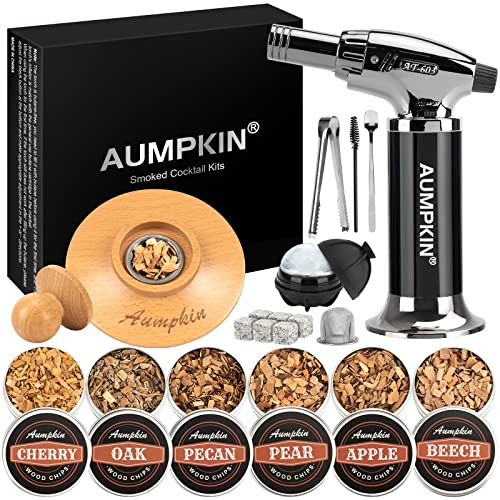
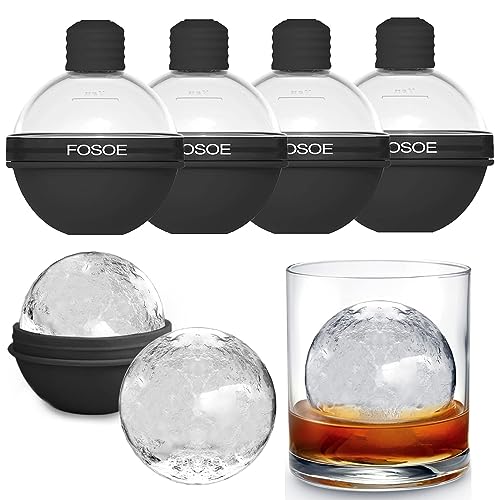
How Glass Shape Changes What You Taste
Whiskey aroma is volatile. A narrow rim concentrates it; a wide rim disperses it. That is why the same pour can smell hot and alcoholic in one glass and fruity or smoky in another.
The 4 Glasses Worth Owning
| Glass Type | Capacity | Rim Diameter | Weight (empty) | Material | Best For |
|---|---|---|---|---|---|
| Glencairn | 160 ml / 5.4 oz to brim, 45-60 ml pour | 46 mm | 150-170 g | Lead-free crystal | Nosing and evaluating single malt, bourbon, rye |
| Copita / Sherry Glass | 170 ml / 5.7 oz | 45-50 mm | 130-150 g | Thin crystal, with stem | Formal tasting, keeping hand heat off whiskey |
| Tulip Tumbler (Norlan-style double-wall) | 250 ml / 8.4 oz | 55-60 mm | 200-240 g | Double-wall borosilicate glass | Daily sipping when you want nosing + comfortable hand feel |
| Classic Rocks / Old Fashioned | 300-350 ml / 10-12 oz | 78-84 mm | 300-450 g | Heavy pressed glass or crystal | Large ice, cocktails, casual sipping |
For flavor discovery, the Glencairn remains the benchmark because the inward taper funnels esters and phenols toward your nose while the solid base is stable on a bar cart. The Copita does the same job but the stem prevents your palm from warming the spirit — useful if you nose for several minutes. Double-wall tulip tumblers keep whiskey at a stable temperature longer and are less fragile than single-wall crystal, which matters in a home bar.
The wide rocks glass looks classic but bleeds aroma quickly. Reserve it for when you are deliberately chilling or mixing, not when you are trying to learn a new bottle.
Neat, With Water, or On Ice: What Each Does
Proof is the biggest lever. Most bottled whiskey is 80 to 115 proof (40-57.5% ABV). At higher proof, ethanol vapor can mask subtle notes. A small amount of water lowers surface tension, releasing hydrophobic aroma compounds and reducing alcohol burn.
A Practical Dilution Guide
Use a pipette or small dropper rather than pouring from a jug. Add water a few drops at a time, nose, then taste.
- Neat (no water): Full texture and heat. Best for cask-strength or if you already know you like intensity.
- 3-5 drops (about 1-1.5 ml) in a 30 ml pour: Opens aroma without noticeably thinning body. Good starting point for 46-50% ABV single malts and rye.
- 1 tsp (5 ml) water to 30 ml whiskey: Drops ~50% ABV to ~43% ABV, softens oak and spice, brings fruit and vanilla forward. Often preferred for bourbons and younger whiskeys.
- 1:1 or more: You are effectively making a low-proof long drink. Useful only for very high-proof or heavily peated pours if you find them overwhelming.
Worked calculation: A 30 ml pour at 54% ABV contains 16.2 ml pure alcohol. Add 5 ml water, total volume becomes 35 ml, new strength is 16.2 / 35 = 46.3% ABV. Add 10 ml water, it becomes 16.2 / 40 = 40.5% ABV. This is why even a teaspoon changes perception so much.
Distilled or low-mineral spring water is ideal. Hard tap water with chlorine or high calcium can add off-flavors. Keep a small carafe with a lid so it does not pick up odors from the kitchen.
When Ice Helps and When It Hurts
Ice does two things: it chills and it slowly dilutes. Chilling suppresses volatility, so you will smell less, but you will also feel less alcohol burn. This is why many casual drinkers prefer whiskey on ice — it is smoother, but also less expressive.
- A single 2-inch (50-55 mm) clear cube weighing 60-70 g melts far slower than the same weight in small cubes or crushed ice. In a rocks glass at 21 C room temperature, a 2-inch cube loses about 15-20 g in the first 15 minutes, adding roughly 15-20% dilution to a 45 ml pour over that time. Crushed ice can double that dilution in 5 minutes.
- Clear ice (directionally frozen) is denser and free of trapped air, so it lasts longer and does not fizz or crack as quickly.
- Whiskey stones and steel cubes chill without dilution but numb the palate without opening aroma. They are useful if you want cold whiskey at full strength, but they do not improve flavor the way a little water does.
Match the Serve to the Whiskey Style
Different whiskeys respond differently to air, water, and cold.
- Bourbon and wheated bourbon (sweet, vanilla, caramel): Excellent neat with a few drops of water. Large ice works well if you like a softer, sweeter profile. Avoid over-chilling, which hides the grain sweetness.
- Rye (spicy, pepper, herbal): Benefits from a tulip glass and 3-5 drops of water to tame spice and reveal fruit. Too much ice flattens the peppery finish.
- Single malt Scotch, especially peated: Nose neat first, then add water dropwise. Peat smoke becomes more medicinal or maritime with dilution, not less — try side-by-side pours at different proofs to find your preference.
- Irish and Japanese whisky (lighter, delicate): Serve neat or with only 2-3 drops. Large ice and wide rocks glasses overwhelm their subtle nose quickly.
- Cask-strength (55%+ ABV): Almost always better with water added to bring it to 45-50% ABV. Pour 25-30 ml, then dilute in stages.
Barware Decision Matrix: What to Buy for Your Situation
You do not need a dozen glasses. Choose based on how often you drink whiskey and how you entertain.
| If You Are… | Frequency / Space | Get This Combination | Why |
|---|---|---|---|
| Curious beginner exploring styles | 1-2 pours per week, limited cabinet space | 2x Glencairn + small glass pipette/dripper + silicone 2-inch cube mold | Covers neat tasting and optional chill without buying a full set. Total cost typically falls in the $30-$55 range for this bundle. |
| Home enthusiast hosting tastings | Weekly tastings, 4-6 guests | 6x Glencairn or Copita + 4x rocks glasses + stainless steel jigger + insulated ice mold for 6 cubes | Lets you do side-by-side neat vs. water comparisons, then transition to casual on-ice pours. |
| Cocktail-focused bar | Making Old Fashioneds, Manhattans often | 4x heavy rocks (300-340 ml) + mixing glass + jigger + Lewis bag and mallet for cracked ice + large cube mold | Heavy base prevents tipping while stirring, Lewis bag gives control over ice texture. |
| Design-conscious daily sipper | Nightly pour, wants comfort and stability | 2x double-wall tulip tumblers + 2x Glencairn for new bottles + clear ice mold | Double-wall keeps temperature stable and is dishwasher-friendly; keep Glencairns for evaluation. |
Setup and Care That Protects Flavor
Bad cleaning is the fastest way to ruin whiskey aroma. Rinse glasses with hot water immediately after use, then wash with fragrance-free detergent. Crystal and double-wall glass are sensitive to thermal shock — avoid moving them directly from freezer to hot water.
To make clear 2-inch cubes without a specialty freezer:
- Use a small insulated cooler that fits in your freezer, fill with filtered water, freeze with lid off for 18-24 hours. The cloudy bottom (trapped air and minerals) will be the last to freeze.
- Remove the clear slab, discard the cloudy portion, cut into 50-55 mm cubes with a serrated knife and let temper 2 minutes.
- Store cubes in a sealed zip bag. Do not leave them exposed in the freezer where they absorb odors.
Durability and Ownership Realities
Whiskey barware lasts years, but a few parts wear first. Thin-rim crystal chips if stacked or knocked against a faucet — store Glencairns upright with space between them, never stacked. Double-wall glasses can develop internal fogging if the seal fails after repeated dishwasher heat cycles; hand washing extends their life.
Silicone ice molds absorb freezer odors over 6-12 months and can transfer taste to ice. Wash with baking soda and water monthly and replace when they stay discolored or tacky. Pressed rocks glasses are the most durable and generally dishwasher safe, but etched or gold-rimmed models are not. Avoid abrasive pads on any crystal.
Common mistakes: pouring a 60-90 ml serving into a Glencairn and leaving no headspace for aroma to collect — keep pours to 30-45 ml. Adding cold water from the refrigerator also overly chills the whiskey; use room-temperature distilled water for controlled dilution and save ice for when you intentionally want to chill.
How to Taste in 4 Steps
If you want a repeatable routine that works for any bottle:
- 1. Nose first, mouth closed: Hold the tulip glass just below your nose, inhale gently with mouth slightly open. Note first impressions before swirling.
- 2. Sip neat: Take a small sip, let it coat the tongue, breathe out through the nose to catch the finish length.
- 3. Add water: Add 3 drops, swirl, nose again. The change tells you more about the whiskey than the first sip alone.
- 4. Decide your serve: If you liked it neat, stay there. If you liked it softer, add another 2-3 drops or drop in a single large cube and stop. Logging which proof you preferred makes the next bottle easier to dial in.
FAQ
Should whiskey be at room temperature?
For nosing, yes — 18-22 C is ideal. Cold suppresses aroma, warm amplifies alcohol. If a bottle was stored in a cold basement, let the pour sit in the glass for 2-3 minutes before nosing.
Is it okay to add ice to expensive whiskey?
It is your whiskey. Ice does dilute and mute nuance, so most enthusiasts nose it neat first, then add ice only if they prefer the colder, softer result. For very old or delicate pours, serve neat with water on the side.
How much should a pour be?
A tasting pour of 30 ml (about 1 oz) is enough to evaluate. A standard home serve is 45-60 ml (1.5-2 oz). Larger pours warm up before you finish them and make it harder to control dilution.