What's inside
As an Amazon Associate I earn from qualifying purchases. This post may contain affiliate links at no extra cost to you.
Our Top Picks

Best Arborist Climbing Rope for Tree Work: Choose by Climbing System
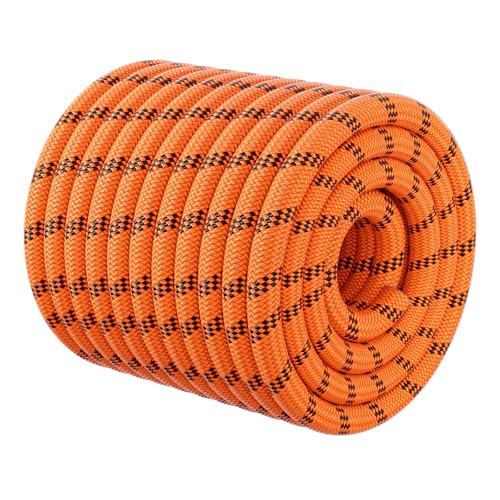
The best arborist climbing rope for tree work is a purpose-made, standards-compliant arborist rope that matches your climbing system, fits your device, and has a diameter and construction suited to the tree and workload. For most professional climbing, start with a 11–12.7 mm (7/16–1/2 in) low-stretch rope approved for the intended technique; choose a separate, appropriately rated rigging line for lowering limbs rather than using a climbing rope as a substitute.
Quick picks by situation
- General-purpose climbing: A 11.7–12.7 mm (about 15/32–1/2 in) low-stretch, 16- or 24-strand arborist rope is a versatile starting point for compatible mechanical or friction-based systems.
- Experienced climber prioritizing a lighter, slimmer line: Consider a smaller-diameter rope only when the manufacturer approves it for your device and technique. It may run faster, but offers less material to grip and can be less forgiving of compatibility errors.
- Frequent contact with rough bark or structures: Favor a construction and cover designed for abrasion resistance, and plan to use cambium protection where appropriate. No rope is immune to cuts, heat, or grit.
- Lowering branches or wood: Select a dedicated rigging rope by the load, rigging method, hardware, and consequences of failure. Climbing lines and rigging lines are not interchangeable just because their diameters look similar.
Compare the key specifications
The figures below describe common selection ranges, not ratings for a particular product. Actual minimum breaking strength, elongation, compatibility, and allowable use vary by rope model. Check the rope’s technical sheet and applicable standards before use.
As an Amazon Associate we earn from qualifying purchases at no extra cost to you.


| Rope category | Typical diameter | Construction and stretch | Best fit | Trade-off to check |
|---|---|---|---|---|
| Arborist climbing line | 11–12.7 mm (7/16–1/2 in) | Commonly kernmantle or braided construction; engineered for low elongation under working loads | General tree climbing when approved for the selected system | Must match the device, knots, and technique |
| Smaller-diameter climbing line | About 10–11.5 mm (3/8–7/16 in) | Often chosen to reduce bulk and weight; performance is model-specific | Climbers whose equipment expressly accepts that diameter | May be harder to grip and may run more quickly through a device |
| Dynamic climbing rope | Often about 9–11 mm (3/8–7/16 in) | Designed to elongate significantly under fall energy | Applications specifically requiring a dynamic rope and matching equipment | Not a default replacement for low-stretch arborist rope |
| Rigging line | Commonly about 12–16 mm (1/2–5/8 in), with wider variation | Construction and stretch vary by material and intended rigging system | Controlled lowering or movement of tree sections when selected for the loads | Diameter alone does not establish working-load suitability |
How to choose safely
1. Start with the climbing method and device
Rope diameter is a compatibility specification, not a comfort preference alone. Check the device manufacturer’s accepted diameter range and rope requirements, then confirm that the rope is approved for the intended climbing technique. A line that is too small may feed or grip differently than expected; one that is too large may not pass through or function correctly. Check compatibility for connectors, friction devices, ascenders, and any knots used in the system.
2. Understand static versus dynamic stretch
Arborist climbing lines are generally selected for low stretch under normal working loads. Lower elongation helps reduce bounce and makes positioning more predictable. “Static” does not mean zero stretch, and it does not mean the rope is safe to shock-load. Dynamic ropes are designed to stretch more to absorb energy in certain fall-protection applications. That extra elongation can increase movement in a tree-climbing system, so use dynamic rope only where the method, equipment, and manufacturer guidance call for it.
In either case, avoid creating slack that could produce a fall or shock load. A rope’s stretch characteristics do not replace proper system design, training, or a suitable work-positioning and backup arrangement.
3. Match abrasion resistance to the route
Abrasion resistance depends on the whole rope construction, not just a thick-looking sheath. A durable cover can help with routine rubbing against bark, but sharp edges, chainsaw contact, hot surfaces, chemicals, and embedded grit can cause serious damage. Route the line to avoid pinching and repeated rubbing; use suitable cambium protection where the system and work allow. If a line is exposed to a damaging event, remove it from service until it has been assessed according to the manufacturer’s instructions and accepted inspection practices.
4. Buy enough length—and account for its condition
Choose length based on the tree, access, anchor arrangement, descent plan, and required tail, not on a generic rule. Confirm that the line can reach the intended work position and still allow a safe system configuration. Keep rope identification and end markings intact; record the rope’s history and inspection results. If the label or traceability information is missing, the rope’s age or use is uncertain, or damage cannot be confidently assessed, consult the manufacturer or a qualified arborist rather than guessing.
Decision matrix: which type makes sense?
| Your situation | Practical starting point | Why |
|---|---|---|
| New climber building a first system | Common 11–12.7 mm arborist climbing line, after training and device checks | A widely used diameter range can offer manageable handling, but compatibility still governs. |
| Experienced climber using a specific mechanical device | Rope expressly listed as compatible by the device maker | Diameter, cover behavior, and construction affect how the device runs and grips. |
| Climbing in abrasive surroundings | Durable arborist construction plus appropriate line protection and routing | Reducing damaging contact is more reliable than expecting any sheath to withstand everything. |
| Moving or lowering heavy wood | Dedicated rigging rope and hardware selected for the planned load and method | Climbing-line suitability does not establish rigging capacity. |
Ownership: inspection, cleaning, and replacement
Rope life is determined by use and damage, not by appearance or purchase date alone. Inspect the full length before and after work, following the manufacturer’s method. Look and feel for cuts, pulled or fused fibers, flat or unusually soft sections, glazing, chemical contamination, and changes in diameter or flexibility. Check terminations, splices, and stitching where present. Keep a record of use and any unusual loading or exposure.
- Keep it clean: Dirt and grit can abrade fibers internally. Use only cleaning methods approved by the rope maker; harsh detergents, solvents, and uncontrolled heat can damage materials.
- Store it properly: Keep rope dry and out of prolonged sunlight, chemicals, and extreme heat. A rope bag helps limit ground contamination and tangles.
- Retire conservatively: Remove a rope from service after a severe shock load, suspected chemical or heat damage, or any defect beyond the manufacturer’s rejection criteria. When in doubt, quarantine it and get qualified guidance.
- Avoid common mistakes: Do not use a climbing line for rigging loads, exceed device diameter limits, drag rope through dirt unnecessarily, or assume a protective sheath makes a damaged core safe.
Bottom line
For a versatile starting choice, look for a certified arborist climbing rope around 11–12.7 mm (7/16–1/2 in) with low-stretch behavior, then verify the exact model against your device and climbing method. Choose a slimmer line only when your system permits it, and buy a separate rigging rope for lowering wood. The safest choice is the rope whose documented specification, condition, and compatibility fit the work—not simply the thickest or most abrasion-resistant option on the shelf.