What's inside
As an Amazon Associate I earn from qualifying purchases. This post may contain affiliate links at no extra cost to you.
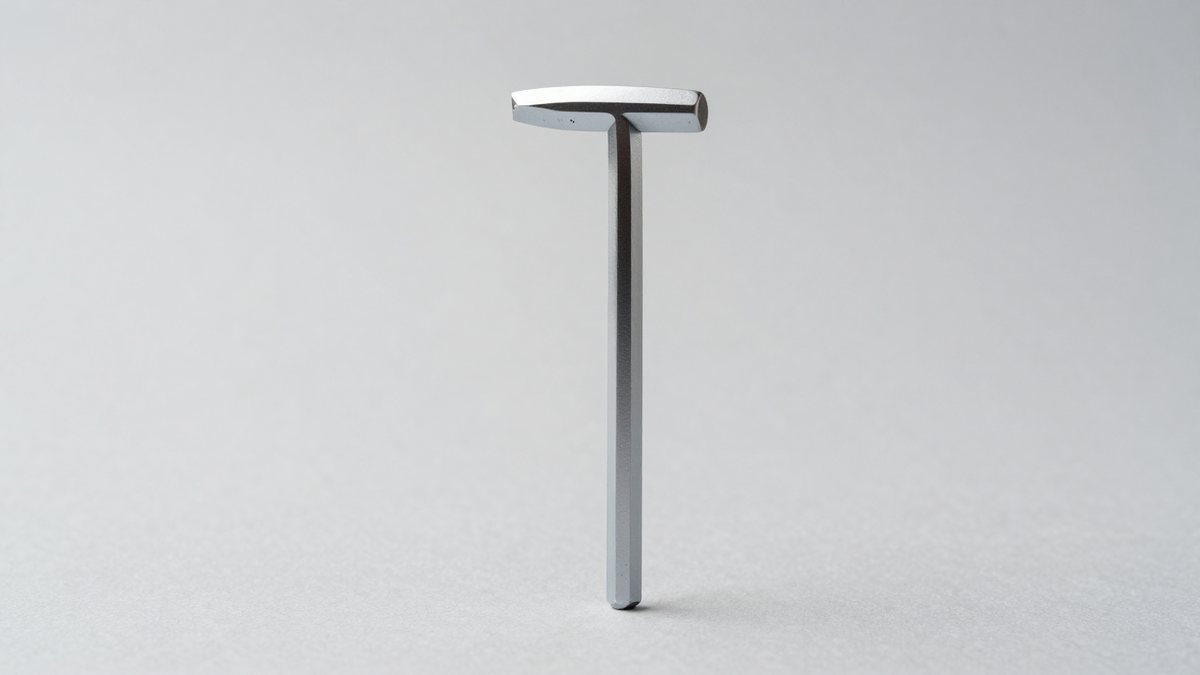
The best T-handle Allen wrench set for most mixed workshops is a complete metric-and-SAE set with hardened alloy-steel shafts, clearly marked sizes, a comfortable crossbar, and ball ends on the long shafts—but choose straight tips instead if you routinely loosen tight fasteners or work with soft hardware.
As an Amazon Associate we earn from qualifying purchases at no extra cost to you.


Our Top Picks


Choose by the fasteners you actually maintain
T-handle hex keys trade pocket-sized convenience for leverage and quick access. They make repeated adjustments on bicycles, machinery, and furniture less tiring than short L-shaped keys. The trade-off is bulk: a T-handle needs room to swing, and its longer handle can make it easy to overtighten a small fastener.
First identify whether your equipment uses metric or SAE (inch) hex sockets. The two systems are not interchangeable. A nearly fitting key can round a socket, especially on a tight fastener. For a shared workshop, owning both sets is the safest option; if you mostly service one bicycle or a specific furniture line, check its hardware specifications before buying.
Compare the coverage and reach
The figures below are practical selection benchmarks for common fixed-key sets, not specifications for one particular brand. Individual sets vary in size range, shaft length, and whether every key has a ball end.
| Set type | Typical sizes | Long-shaft reach | Ball-end access | Best fit |
|---|---|---|---|---|
| Metric starter | 2, 2.5, 3, 4, 5, 6, 8, 10 mm | About 100–200 mm, depending on size | Often on long ends; check before buying | Metric bicycles, appliances, and furniture |
| SAE starter | 1/16, 5/64, 3/32, 1/8, 5/32, 3/16, 1/4, 5/16, 3/8 in | About 100–200 mm, depending on size | Common on long ends of selected keys | Inch-spec hardware and machinery |
| Metric and SAE pair | Common ranges above, in both systems | Typically similar to each individual set | Varies by set | Shared or general-purpose workshop |
| Compact T-handle set | Often a narrower range, such as 2–8 mm or 1/16–5/16 in | Typically shorter than full-size shop keys | May be limited or omitted | Tool rolls, mobile repairs, and tight storage |
Reach is not the same as usable access. A long shaft can reach a recessed bolt, but the crossbar still needs clearance to turn. For a narrow bicycle frame or cabinet recess, a ball end can help the shaft enter at an angle; for an open bench, straight-end engagement is usually preferable when breaking a fastener loose.
Match the handle and tip to the job
- For frequent bench work: Choose a crossbar long enough to grip with both hands, with rounded or cushioned contact surfaces. A larger handle improves comfort and leverage, but use fingertip pressure—not a forceful two-handed pull—on small screws.
- For bicycles: Prioritize the exact metric sizes your components require, a useful range of shaft lengths, and ball ends for awkward access. Use the straight tip for final tightening where the fastener is accessible, and follow the component maker’s torque guidance for safety-critical bolts.
- For furniture assembly and repair: A metric set is common for many modern products, but hardware varies. Check the supplied fasteners rather than assuming. A shorter key is easier to control in confined joints and reduces the temptation to overtighten.
- For tight or damaged fasteners: Favor accurately machined straight tips and full socket engagement. Ball ends are for turning at an angle, not for applying maximum breakaway force; their smaller contact area is more vulnerable to slipping under heavy load.
What to inspect before buying
Tip fit and durability
Look for hardened alloy-steel construction and cleanly formed hex tips. “Chrome vanadium” and similar alloy descriptions can be useful, but steel name alone does not guarantee precise fit or heat treatment. A snug key should enter the socket fully without rocking noticeably. Coatings help resist corrosion, but they cannot compensate for a poorly sized tip.
On a fixed T-handle, the shaft and crossbar are usually the main wear points. With repeated heavy use, the hex corners can round, the shaft can twist, or the handle joint can loosen. Ball ends tend to be the first feature to damage if used to crack loose stuck fasteners. Inspect tips periodically and retire a key once it no longer seats securely; continuing to use it can damage the fastener too.
Storage and identification
Choose a rack, holder, or pouch that keeps keys in size order and makes markings easy to read. Metric and SAE keys can look deceptively similar, particularly at small sizes. Separate holders, contrasting labels, or distinct color coding reduce mix-ups, but verify the stamped size rather than relying on color alone.
Quick decision matrix
| Your situation | What to choose | Why |
|---|---|---|
| Occasional furniture fixes, tight budget | One system matched to the furniture’s fasteners; straight tips; basic holder | A second set adds little value if your hardware is known and consistent. |
| Home workshop with mixed projects | Metric and SAE coverage, durable steel, labeled storage | Mixed equipment makes socket-size guessing costly. |
| Regular bicycle maintenance | Metric set with ball ends on long shafts and comfortable handles | Common sizes and angled access matter more than a broad SAE range. |
| Confined machinery or furniture access | Long shafts for recessed fasteners, compact handles for limited swing | Reach helps only if the handle can still rotate. |
| Frequent heavy workshop use | Precisely machined tips, robust crossbar construction, clear size marks | Fit and handle integrity matter more than extra accessories. |
Use ball ends without sacrificing the fastener
A ball end gives the shaft room to approach a socket off-axis, but the allowable angle depends on the design and varies by size. Use this simple sequence:
-
Confirm the fastener system and size. If the key does not seat fully, try the correct neighboring size rather than forcing it.
-
Start the fastener with the straight end whenever access allows. This maximizes contact with the socket while you establish that the threads turn freely.
-
Switch to the ball end only to maintain access at an angle. Turn gently and keep the shaft aligned as closely as the workspace permits.
-
Return to the straight end for final tightening, particularly on small, soft, or important fasteners. Use a torque wrench when the manufacturer specifies a torque value.
Keep the set working accurately
Wipe keys clean after use, especially if they have contacted grease, moisture, or abrasive dust. Dry them before returning them to the holder, and occasionally check that the crossbar has not loosened. Avoid using T-handle hex keys as pry bars or adding a pipe for extra leverage: excessive force can deform the shaft or handle and ruin the fastener socket.
For the broadest workshop coverage, a matched metric-and-SAE pair is the dependable choice. For a dedicated bike or furniture toolkit, buy the system and sizes your hardware actually uses, then prioritize comfortable handles, enough shaft reach, and ball ends for access—not as a substitute for a snug straight-tip fit.