What's inside
- Best Bolt Extractor Socket Sets for Removing Stubborn Fasteners
- Choose by the fastener and the job
- Engagement styles and representative size coverage
- What to compare before buying
- A careful removal sequence for rounded or rusty heads
- Match the set to your use
- Ownership realities: what wears and what causes failures
- Bottom line
- Related Guides
As an Amazon Associate I earn from qualifying purchases. This post may contain affiliate links at no extra cost to you.
Our Top Picks


Best Bolt Extractor Socket Sets for Removing Stubborn Fasteners
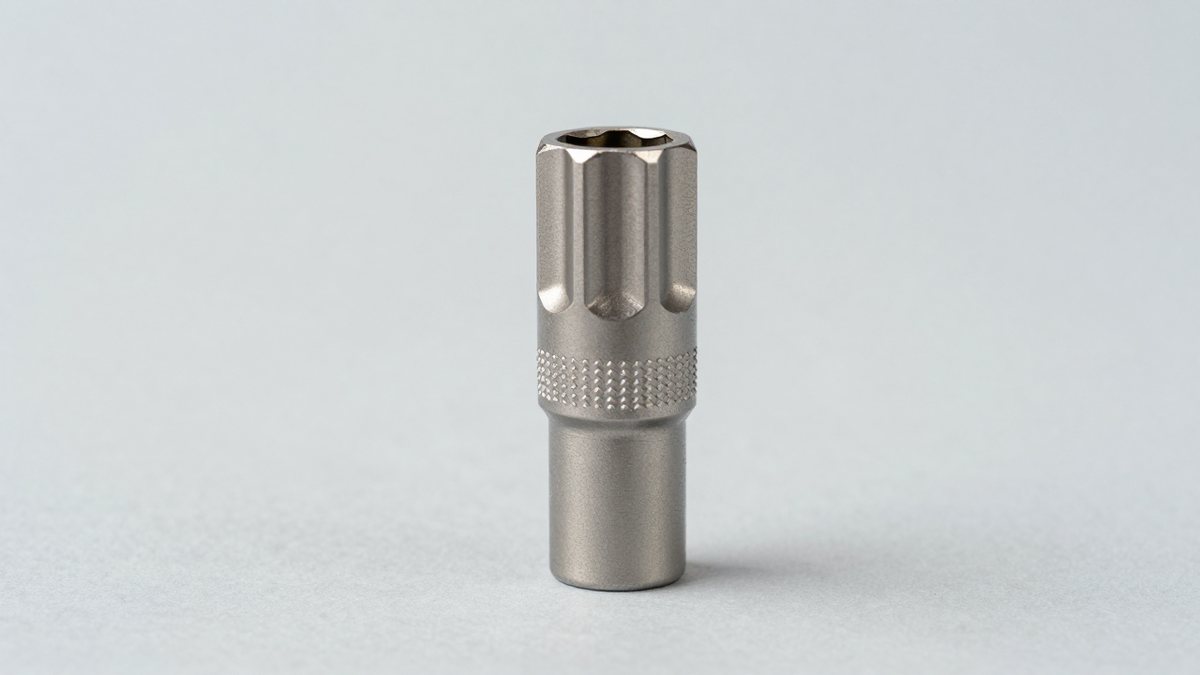
The best bolt extractor socket set for most home and shop users is a spiral-fluted, impact-rated set with sizes covering the fastener heads you actually encounter; choose a reverse-twist style for rounded external heads, and a dedicated internal extractor for broken bolts or stripped screw heads.
Extractor sockets grip by cutting or wedging into damaged metal, so fit matters more than the number of pieces in a case. A socket that is too large may spin; one that is too small can split or excessively chew up the head. Before buying, check the set’s stated size range, drive size, and whether its manufacturer permits impact-wrench use. Sets vary, and not every extractor socket is impact-rated.
As an Amazon Associate we earn from qualifying purchases at no extra cost to you.


Choose by the fastener and the job
- Rounded external bolt or nut: Use a spiral-fluted extractor socket that is driven over the damaged head. The reverse spiral bites as you turn counterclockwise. This is the most useful style for general automotive, equipment, and household repairs.
- Fastener with a nearly intact head: A less aggressive, tighter-fitting extractor may preserve more material. First try the correct six-point socket, since an extractor can permanently mark a head that might otherwise still be removed normally.
- Broken bolt or stripped internal screw: An external extractor socket cannot grip a head that is missing or recessed. Choose a screw-extractor system intended for the fastener’s internal drive, and follow its drilling and pilot-hole instructions.
- Deeply rusted fastener: Favor a set with several closely spaced sizes and enough depth to engage the head. Penetrant, cleaning, and controlled force often matter more than the extractor’s advertised piece count.
- Frequent impact-wrench use: Buy a set explicitly rated for impact tools. Use an impact-rated drive and retainers as appropriate; do not assume that a black finish or a square drive makes a socket impact-safe.
Engagement styles and representative size coverage
Spiral-fluted sockets are common for external fasteners because their internal profile digs in under reverse torque. Some designs use straighter or less aggressive internal profiles; these may be easier to position but can be less effective when a head is badly rounded. Product ranges differ, so treat the table as a comparison of common set configurations, not a guarantee that every brand offers those exact sizes.
| Set type | Typical stated size range | Drive commonly supplied | Best fit | Key limitation |
|---|---|---|---|---|
| Compact metric spiral-flute set | 8–19 mm, often about 10–13 sockets | 3/8 in | Common metric external bolt heads; occasional repairs | May omit small fasteners and larger automotive sizes |
| Compact SAE spiral-flute set | 5/16–3/4 in, often about 8–10 sockets | 3/8 in | Older equipment and inch-size hardware | Does not cover metric sizes; check the actual increments |
| Combined metric and SAE set | Ranges vary; commonly around 8–19 mm and 5/16–3/4 in | 3/8 in or 1/2 in | Mixed fasteners and shared shop use | More pieces do not necessarily mean closer size spacing |
| Large or impact-oriented set | Often extends beyond 19 mm; confirm both ends of range | 1/2 in is common | Large fasteners, higher torque, regular vehicle or equipment work | Bulkier sockets can be hard to fit in confined spaces |
These are representative market configurations, not specifications for a particular product. Check the manufacturer’s listed dimensions before ordering, especially if you need a particular size, a thin-wall profile, or access around a recessed fastener. A metric socket may sometimes fit an inch-size head closely, but don’t rely on approximate equivalents for a damaged head: the initial fit is critical to bite.
What to compare before buying
Range and increments
Look for actual socket sizes rather than relying on a headline count. A set with fewer, well-spaced sizes that match your work can be more useful than a large kit with gaps. If you mainly maintain metric machinery, prioritize metric coverage; if you regularly work on older inch-size equipment, choose SAE coverage or a combination set.
Impact compatibility and drive
For a hand ratchet or breaker bar, confirm the sockets are designed for manual use and choose a drive suitable for the force and access available. If using an impact wrench, use only sockets explicitly identified as impact-rated. A 1/2-inch drive is a practical choice for larger, higher-torque fasteners, while 3/8-inch sets are generally more compact. The extractor must still fit the space and head; greater tool power cannot compensate for poor engagement.
Material and construction
Check the manufacturer’s material and use specifications. Extractors face concentrated stress at their cutting edges, and heat treatment and profile design affect how well they resist deformation. Avoid treating surface color as proof of material or impact rating. A case that keeps sockets organized is useful, but it does not say anything about the working edges.
A careful removal sequence for rounded or rusty heads
- Identify the head and clear access. Brush away rust, dirt, and paint that could keep the socket from seating. Confirm you are choosing a socket for the external head—not a screw extractor for an internal recess.
- Match the size closely. Test the socket on the head and choose the smallest one that seats straight and firmly. Follow the set’s directions for seating it; many spiral-flute sockets need to be tapped into place, but don’t strike a tool unless its instructions allow it.
- Reduce corrosion resistance. Apply penetrating oil where appropriate and allow time for it to work. On a fastener that can be safely heated, heat may help, but avoid flames near fuel, wiring, seals, or other heat-sensitive materials. If uncertain, skip heat.
- Turn gradually and keep alignment. Start with a hand ratchet or breaker bar so you can feel whether the socket is biting. Keep the tool square to the fastener. If the socket slips, stop: continuing can round the head further or damage the extractor.
- Use impact only when appropriate. If the socket is impact-rated and the workpiece is secure, brief, controlled impact pulses may help. Long, uncontrolled bursts can break an extractor, damage surrounding parts, or snap a seized fastener.
- Inspect and clean afterward. Remove metal debris from the socket, check the cutting edges for chips or rolled-over teeth, and store the set dry in its marked position. Replace a damaged extractor rather than relying on a compromised bite.
Match the set to your use
| Your situation | Most sensible choice | Why |
|---|---|---|
| One-off repair, tight budget | Small spiral-flute set in the fastener system you need | A focused range avoids paying for unused sizes; keep a suitable hand ratchet available. |
| Newer user, occasional maintenance | Clearly labeled metric or SAE set with closely spaced sizes | Markings and coverage make it easier to find a close fit and reduce guesswork. |
| Mixed household, vehicle, or shop hardware | Combined metric-and-SAE set | More likely to cover mixed equipment, provided the individual sizes fill useful gaps. |
| Frequent large or seized fasteners | Impact-rated set with a suitable drive and larger-size coverage | Built for the specified tool use and better matched to heavier work; verify access and manufacturer limits. |
Ownership realities: what wears and what causes failures
The biting edges are the working surface most likely to wear, chip, or lose effectiveness. Using a socket that is too large, turning at an angle, or applying force after it starts slipping can ruin the bite quickly. Rust and metal fragments left in the flutes can also prevent the next socket from seating properly, so clean sockets between jobs.
Extractor sockets are not a substitute for correct sizing or unlimited torque. If a fastener is heavily corroded, inaccessible, or critical to a safety-related assembly, escalating force can turn a removable bolt into a broken shank or a damaged component. At that point, a mechanic or machine shop may be the better next step.
Bottom line
For general removal of rounded external fasteners, choose a spiral-flute socket set with the right metric or SAE coverage, clear size markings, and a drive suited to your work. Add impact use only when the manufacturer explicitly permits it. If the fastener has no usable external head, choose a dedicated internal screw-extractor system instead. The closest fit and controlled technique usually matter more than the largest set or the most powerful tool.