What's inside
- Best Canon RF prime lenses at a glance
- Best budget choice: Canon RF 50mm F1.8 STM
- Best versatile f/1.8 prime: RF 35mm F1.8 Macro IS STM
- Best for street and travel: RF 28mm F2.8 STM
- Best wide low-light options: RF 24mm F1.8 and RF 16mm F2.8
- Best affordable portrait lens: RF 85mm F2 Macro IS STM
- When L-series glass is worth the weight
- Decision matrix: which lens fits your situation?
- Ownership details that affect the real value
- Final recommendation
As an Amazon Associate I earn from qualifying purchases. This post may contain affiliate links at no extra cost to you.
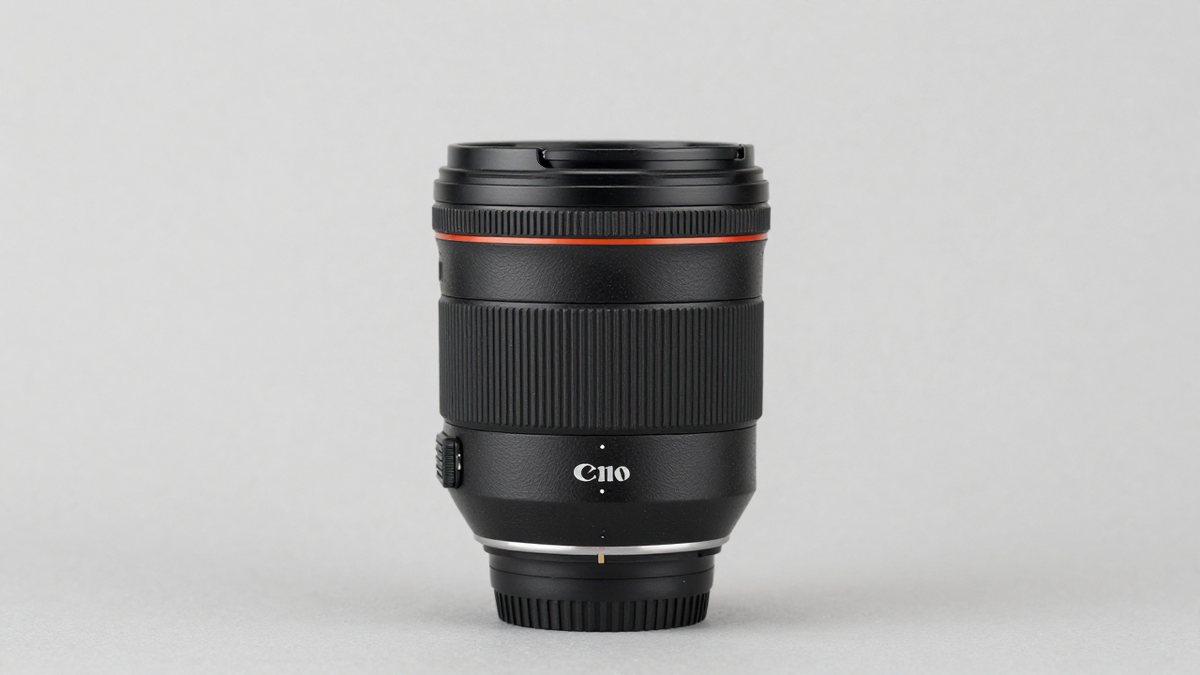
The best Canon RF prime lenses depend on whether you value a light, affordable setup or the highest possible sharpness and autofocus performance: the RF 50mm F1.8 STM is the budget all-rounder, the RF 35mm F1.8 Macro IS STM is the most versatile enthusiast choice, and the RF 50mm F1.2 L USM or RF 85mm F1.2 L USM are the portrait specialists.
As an Amazon Associate we earn from qualifying purchases at no extra cost to you.


Our Top Picks


Best Canon RF prime lenses at a glance
| Lens | Approx. market range in 2026 | Weight | Maximum aperture | Best for |
|---|---|---|---|---|
| Canon RF 28mm F2.8 STM | $250–$350 | 120g | f/2.8 | Discreet street photography and travel |
| Canon RF 50mm F1.8 STM | $180–$250 | 160g | f/1.8 | Affordable portraits, everyday shooting, low light |
| Canon RF 16mm F2.8 STM | $250–$350 | 165g | f/2.8 | Vlogging, interiors and wide environmental scenes |
| Canon RF 24mm F1.8 Macro IS STM | $500–$650 | 270g | f/1.8 | Street, travel, close focusing and low light |
| Canon RF 35mm F1.8 Macro IS STM | $400–$550 | 305g | f/1.8 | General-purpose shooting and environmental portraits |
| Canon RF 85mm F2 Macro IS STM | $500–$650 | 500g | f/2 | Portraits, detail work and moderate telephoto reach |
| Canon RF 35mm F1.4 L VCM | $1,400–$1,600 | 555g | f/1.4 | Professional documentary, portrait and video work |
| Canon RF 50mm F1.2 L USM | $2,000–$2,300 | 950g | f/1.2 | Premium portraits and available-light photography |
| Canon RF 85mm F1.2 L USM | $2,500–$2,900 | 1,195g | f/1.2 | Maximum portrait separation and studio-quality rendering |
Prices vary by retailer, condition and promotions, so treat these as broad 2026 market ranges rather than fixed prices. The STM lenses offer the strongest value, while the L-series models justify their cost through optical correction, weather-resistant construction, faster focusing motors on many models and wider apertures.
Best budget choice: Canon RF 50mm F1.8 STM
For most full-frame Canon users, the RF 50mm F1.8 STM is the sensible first prime. It weighs only 160g, occupies very little room in a bag and typically costs less than $250. Its f/1.8 aperture is nearly two stops faster than a common f/3.5–6.3 kit zoom at the long end, allowing lower ISO settings or faster shutter speeds in dim interiors.
The 50mm focal length gives natural-looking perspective for half-body portraits, food, family photographs and everyday scenes. Autofocus is quiet but not as fast or decisive as the USM systems in L-series lenses, and the lens is not weather-sealed. At f/1.8, center sharpness is useful, but edge performance and contrast improve when stopped down to around f/2.8 or f/4.
Choose it when budget, portability and a soft-background look matter more than professional build quality. It is also a good learning lens because its fixed focal length encourages you to move and compose deliberately.
Best versatile f/1.8 prime: RF 35mm F1.8 Macro IS STM
The RF 35mm F1.8 Macro IS STM is the better single-lens option for photographers who shoot people, travel and street scenes in roughly equal measure. Its 35mm view captures more context than a 50mm without feeling as wide or distorted as a 24mm. It also focuses much closer than a typical standard prime, reaching approximately 0.5x magnification.
At 305g, it remains easy to carry, and optical image stabilization helps with static subjects when handheld. Stabilization does not freeze a moving person, so the f/1.8 aperture and an appropriately fast shutter speed still matter for portraits. STM autofocus is generally quiet and suitable for casual video, although moving-subject performance is below the quickest L-series options.
This is the strongest choice for an enthusiast who wants one compact lens that can handle café interiors, environmental portraits, details and evening walks.
Best for street and travel: RF 28mm F2.8 STM
The RF 28mm F2.8 STM is the smallest option in this group at just 120g. Its pancake design makes a full-frame EOS R camera much easier to carry discreetly, which is valuable for street photography and travel. The 28mm perspective gives enough width for architecture and groups while still supporting natural-looking people pictures when you avoid placing faces near the edges.
Its limitations are equally clear: f/2.8 gathers less light than the f/1.8 primes, background blur is more modest, and the STM motor is designed for compactness rather than demanding action tracking. It is a practical carry-everywhere lens, not the best choice for strongly blurred portraits or dark events.
Best wide low-light options: RF 24mm F1.8 and RF 16mm F2.8
The RF 24mm F1.8 Macro IS STM is a strong choice for street photography after dark, travel interiors and environmental portraits. It combines a wide field of view, f/1.8 aperture, image stabilization and close focusing in a 270g body. The 24mm perspective lets you show a subject in their surroundings, but it requires care with faces near the frame edges.
The RF 16mm F2.8 STM is wider and cheaper, making it especially useful for vlogging, small rooms and dramatic foregrounds. It is not a conventional portrait lens: moving close to a face can exaggerate noses and facial proportions. Its compact 165g body is a major advantage for travel, but the 24mm model offers better low-light flexibility and more versatile subject perspective.
Best affordable portrait lens: RF 85mm F2 Macro IS STM
The RF 85mm F2 Macro IS STM provides the classic portrait focal length without the cost or weight of an L-series 85mm. At 500g, it is substantially heavier than the 50mm F1.8 but still manageable for a full day. The longer focal length compresses perspective and makes it easier to separate a subject from a distracting background.
Its close-focusing ability and 0.5x magnification also make it useful for flowers, small products and detail shots. The trade-off is autofocus speed: the STM system can feel less immediate when moving between close and distant subjects. For posed portraits, family sessions and detail work, it offers excellent flexibility.
When L-series glass is worth the weight
RF 35mm F1.4 L VCM
The RF 35mm F1.4 L VCM is the professional alternative to the smaller RF 35mm F1.8. It is heavier at 555g, but the extra optical correction and f/1.4 aperture improve subject separation and low-light capability. Its VCM focusing system is designed with hybrid photo and video use in mind, and the L-series construction is better suited to demanding regular use.
Choose it for weddings, documentary work, paid portrait assignments or video production where autofocus behavior, contrast and consistent rendering matter more than saving a few hundred grams.
RF 50mm F1.2 L USM
The RF 50mm F1.2 L USM is a specialist rather than a casual upgrade. At 950g, it is almost six times the weight of the RF 50mm F1.8 STM. The reward is a much wider aperture, excellent center sharpness at f/1.2 and strong subject isolation. Its USM autofocus is considerably more appropriate for professional work, although the extremely shallow depth of field demands accurate eye detection and careful technique.
It is the right choice for portraits, weddings and available-light work when the distinctive f/1.2 look is central to the assignment. It is poor value if you mostly photograph at f/4 or carry your camera all day for casual snapshots.
RF 85mm F1.2 L USM
The RF 85mm F1.2 L USM produces the strongest portrait separation in this comparison, but its 1,195g weight and high price make it a deliberate purchase. It is best for controlled portraits, fashion, weddings and commercial work where rendering and background blur have priority over portability.
Compared with the RF 85mm F2, it offers a brighter aperture and more luxurious optical performance, but it loses the affordable lens’s close-focusing versatility. The difference is not simply “more sharpness”; it is also the ability to isolate a subject in difficult light and maintain a premium look across the frame.
Decision matrix: which lens fits your situation?
| Your situation | Best starting point | Why |
|---|---|---|
| First prime, limited budget | RF 50mm F1.8 STM | Lowest cost, lightest practical f/1.8 general-purpose option |
| One lens for street, travel and people | RF 35mm F1.8 Macro IS STM | Useful perspective, stabilization and close focusing |
| Smallest everyday carry | RF 28mm F2.8 STM | 120g pancake design |
| Portraits without professional pricing | RF 85mm F2 Macro IS STM | Flattering perspective, stabilization and detail capability |
| Paid hybrid photo and video work | RF 35mm F1.4 L VCM | Professional construction, f/1.4 aperture and video-oriented focusing |
| Maximum portrait separation | RF 85mm F1.2 L USM | Distinctive f/1.2 rendering and premium optical performance |
Ownership details that affect the real value
The first thing likely to show wear on budget primes is the exterior finish and focusing barrel rather than the optical elements. Keep front and rear caps fitted, use a small blower before wiping dust, and clean with a lens-safe cloth only when needed. Do not rub grit across the front element. A protective filter is optional; a hood is often more useful for reducing flare and shielding the front element from bumps.
Compact STM lenses are easier to carry, but their plastic-heavy construction and lack of weather sealing make them less suitable for rain, dust and intensive professional use. L-series lenses are more robust, yet weather resistance still depends on the camera body and correct use of caps and seals. No lens should be treated as waterproof.
Also budget for accessories realistically. A lens hood, spare rear cap and a padded compartment may add roughly $30–$80, while a 67mm or 82mm filter for some larger L-series lenses can cost more than the filter for a small budget prime. If you use a lens weekly for three years, a $600 lens costs about $3.85 per week before resale; a $2,500 professional lens costs about $16 per week. That difference is easier to justify when the lens earns money or solves a specific shooting problem.
Final recommendation
For the widest range of photographers, the RF 35mm F1.8 Macro IS STM is the best Canon RF prime lens for balanced everyday use, while the RF 50mm F1.8 STM is the clearest budget recommendation. Pick the RF 85mm F2 for affordable portraits, the RF 28mm F2.8 for the lightest street setup, and move to L-series glass only when faster autofocus, weather-resistant construction, professional consistency or the f/1.4–f/1.2 look will materially improve your work.