What's inside
As an Amazon Associate I earn from qualifying purchases. This post may contain affiliate links at no extra cost to you.
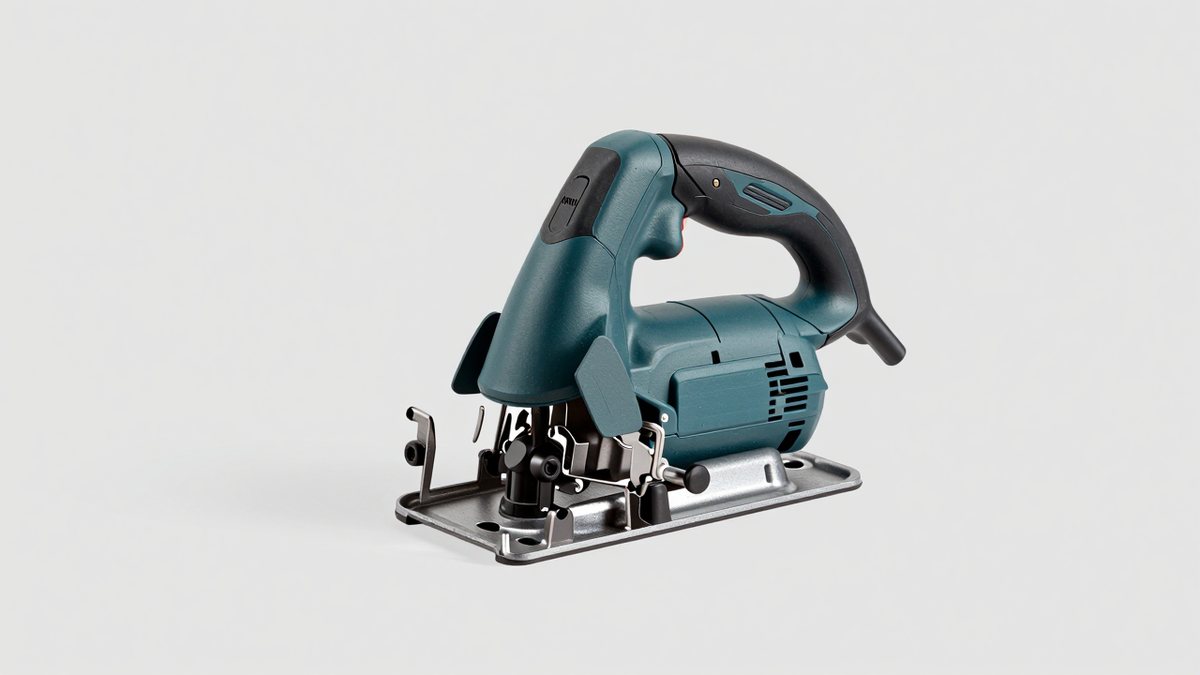
The best electric handsaw for fast, precise cutting is usually a variable-speed reciprocating saw: choose a corded model for sustained demolition and thick stock, or a cordless model for portability, outdoor work, and quick cuts where an extension cord is inconvenient.
Despite the name, an “electric handsaw” is not one specific machine. In product searches, the phrase commonly refers to a reciprocating saw, sometimes called a sawzall or cordless handsaw. These tools use a narrow blade moving rapidly back and forth, making them useful for wood, plastic, metal, drywall, pipe, and pruning. They are fast and versatile, but they are less naturally precise than a circular saw or jigsaw unless you use the right blade and support the work carefully.
As an Amazon Associate we earn from qualifying purchases at no extra cost to you.


Our Top Picks



Quick comparison: corded and cordless electric handsaws
| Model | Power type | Stroke length / speed | Approx. bare-tool weight | Useful capacity and materials | Best suited to |
|---|---|---|---|---|---|
| DEWALT DWE305 | 12-amp corded | 1-1/8 in; up to 2,900 SPM | 7.0 lb | Wood, metal, plastic; roughly 6 in wood-cutting capability with a suitable blade | Frequent renovation and long cutting sessions |
| Milwaukee 6519-30 | 12-amp corded | 1-1/8 in; up to 3,000 SPM | 7.0 lb | Wood, metal, PVC, and demolition materials | High-volume demolition on a jobsite |
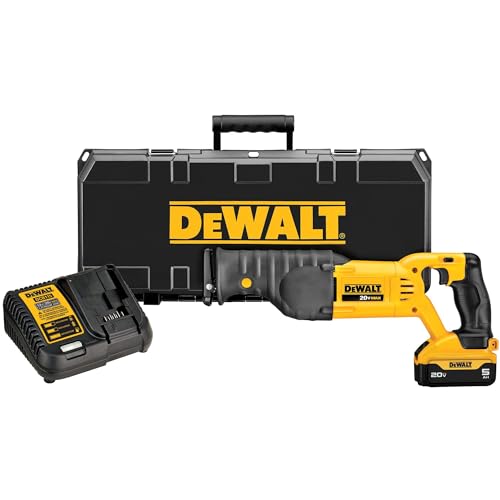
| DEWALT DCS380B | 20V MAX cordless | 1-1/8 in; up to 3,000 SPM | 5.8 lb bare | Wood, nail-embedded lumber, PVC, drywall, and metal with the correct blade | General-purpose cordless work |
| Makita XRJ05Z | 18V LXT cordless | 1-1/4 in; up to 3,000 SPM | 8.2 lb bare | Thicker wood, pipe, metal, and demolition stock | Maximum cordless cutting control and capacity |
| Milwaukee M18 FUEL 2720-20 | 18V M18 cordless | 1-1/8 in; up to 3,000 SPM | 7.4 lb bare | Wood, metal, PVC, and heavy remodeling work | Users already invested in M18 batteries |
Weights vary by how manufacturers measure them. A cordless saw’s ready-to-use weight includes the battery, while “bare tool” figures do not. Adding a 5.0Ah battery can add roughly 1.4 to 1.7 lb, which matters during overhead cutting.
Corded versus cordless: the practical difference
Choose corded for continuous cutting
A 10- to 12-amp corded electric handsaw supplies consistent power until the work is finished. It is the better choice for dismantling framing, cutting several lengths of pipe, removing nailed-in boards, or processing thick lumber throughout the day. There is no battery-management pause and no gradual loss of performance as the pack becomes depleted.
The trade-off is movement. The cord can catch on framing, restrict outdoor work, and create a trip hazard. Use a properly rated extension cord, keep it behind the cutting path, and never carry the saw by its cord. Corded tools are often the economical choice for occasional heavy work because the tool price does not include batteries and a charger.
Choose cordless for access and setup speed
A cordless handsaw electric model is easier to take onto a roof, into a crawlspace, around a garden, or between rooms where power is unavailable. Brushless models generally use battery energy more efficiently and maintain performance better under load than older brushed designs, although blade sharpness and material thickness have a major effect on runtime.
Manufacturers rarely publish a universal “minutes of cutting” figure because runtime changes dramatically with blade type, pressure, material, temperature, and trigger speed. As a useful planning estimate, a 5.0Ah battery may deliver approximately 20 to 40 minutes of intermittent trigger time in mixed wood and demolition work. That can represent dozens of short cuts, but far fewer long cuts through thick hardwood or metal.
A simple ownership calculation helps: if one 5.0Ah battery provides about 30 minutes of intermittent cutting and your typical cut takes 20 seconds, the theoretical maximum is 90 cuts. Allowing for repositioning, pauses, and difficult material, planning around 50 to 70 cuts is more realistic. Keep a second charged battery if the saw is your primary tool rather than an occasional backup.
What cutting capacity actually tells you
Stroke length is the distance the blade travels on each cycle. A 1-1/8-inch stroke is a capable general-purpose specification; a 1-1/4-inch stroke can remove material faster, particularly in thick wood, but may feel more aggressive and transmit more vibration. Strokes per minute indicate speed, not guaranteed cutting performance. A slower setting is often better for metal and plastic, while a higher setting suits clean wood cuts.
- Dimensional lumber: Use a 6- to 9-inch coarse wood blade. Most full-size saws can cut 2×4 and 2×6 lumber easily when the blade is sharp.
- Nail-embedded wood: Use a demolition or bi-metal blade rated for wood with nails. A standard fine wood blade can lose teeth quickly.
- Metal pipe and sheet: Use a bi-metal blade with a higher tooth count, commonly 14 to 24 teeth per inch. Reduce speed and use light pressure.
- PVC and plastic: A medium-to-fine tooth blade helps prevent tearing and melting. Let the blade do the work rather than forcing it.
- Tree branches: Use a pruning blade with hardened, widely spaced teeth. A standard demolition blade is not the right substitute for repeated pruning.
- Masonry: A reciprocating saw is generally the wrong tool. Use a purpose-designed masonry or concrete cutting system instead.
For precision, look for a variable-speed trigger, a pivoting or adjustable shoe, a tool-free blade clamp, and low vibration. The shoe should remain firmly against the workpiece; otherwise the blade can wander, bend, or snap.
Decision matrix: which electric handsaw fits your situation?
| Your situation | Recommended type | Why | What to prioritize |
|---|---|---|---|
| Occasional home repair, limited budget | 10-amp corded saw | No battery platform cost and enough power for lumber and pipe | Variable speed, comfortable grip, included blade |
| Frequent remodeling or demolition | 12-amp corded or brushless cordless | Higher sustained performance and stronger vibration control | 1-1/8 in or longer stroke, adjustable shoe, metal-rated gearbox |
| Already own several compatible batteries | Matching cordless model | The battery and charger may already be your largest investment | Bare-tool price, brushless motor, battery capacity |
| Outdoor work or remote locations | 18V or 20V cordless | No extension cord and easier movement | 5.0Ah battery, weather-resistant storage, pruning blades |
| Overhead or one-handed repositioning | Compact cordless saw | Lower fatigue and easier access between studs or pipes | Low ready-to-use weight, balanced grip, LED, safety lock |
Safety features worth paying for
Prioritize a lock-off or trigger lock, a secure tool-free blade clamp, an adjustable shoe, and an electronic brake or rapid stop where available. Brushless electronic protection can help limit overload and overheating, but it is not a substitute for correct blade selection.
Wear eye protection, hearing protection, and work gloves suited to the material. Confirm that no electrical cable, gas line, or water pipe is behind the cut. Clamp loose stock whenever possible, support the offcut so it cannot pinch the blade, and wait until the blade stops before setting the saw down. A reciprocating blade can remain hot after cutting metal.
Ownership realities: blades, cleaning, and common mistakes
The blade is the consumable that wears first. Replacing a dull blade often improves speed more than upgrading the motor. Keep separate blades for clean wood, nail-embedded wood, metal, and pruning. Do not use a fine-tooth metal blade to force a fast cut through framing; it will heat up and clog with chips.
After use, brush or blow debris away from the shoe, blade clamp, ventilation openings, and battery interface. Do not flood the tool with compressed air at close range, because excessive pressure can drive dust deeper into bearings and switches. Inspect the shoe for looseness and the blade clamp for reliable engagement. Remove the battery before changing blades or clearing jammed material.
The most common cutting mistake is forcing the tool. Start at a moderate speed, place the shoe against the work, and increase pressure only enough to maintain contact. If the blade flexes, the cut is wandering, or the motor slows sharply, stop and choose a sharper, longer, or more appropriate blade. For straight, furniture-quality cuts, use a circular saw with a guide or a jigsaw; an electric handsaw is at its best when access, speed, and versatility matter more than a perfectly finished edge.