What's inside
- Best Welding Tool Bags for Organizing Your Gear
- Quick comparison of the best welding tool bag types
- Best overall: an open-mouth, hard-bottom tool bag
- Best for walking and ladders: a structured tool backpack
- Best for protective equipment: a separate welding gear duffel
- How the leading features compare
- Decision guide by welding situation
- Ownership realities: what wears out first
- Bottom line
As an Amazon Associate I earn from qualifying purchases. This post may contain affiliate links at no extra cost to you.
Our Top Picks
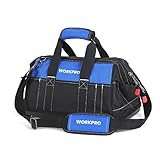
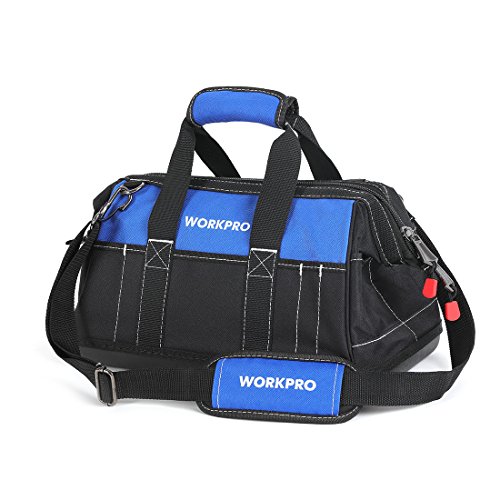 WORKPRO 16-inch Wide Mouth Tool Bag with Water-Proof16 Inch15.7 x 8.7 x 9.8 inches0.8 poundsCheck on Amazon


Best Welding Tool Bags for Organizing Your Gear
The best welding tool bag for most mobile welders is a reinforced 16- to 18-inch open-mouth bag with a heat-resistant base, metal measuring-tape clip, stitched tool pockets, and enough internal volume for hand tools, consumables, and a compact set of protective equipment.
There is no single ideal bag for every welding setup. A maintenance welder carrying pliers, a grinder, electrodes, and spare gloves needs a different layout from a fabrication shop worker who transports only hand tools between workstations. The important comparison is not the pocket count on the label, but how well the bag separates sharp tools, hot or abrasive items, small consumables, and safety gear.
As an Amazon Associate we earn from qualifying purchases at no extra cost to you.


Quick comparison of the best welding tool bag types
| Bag type | Typical size and capacity | Best materials | Typical empty weight | Best for | Typical price range |
|---|---|---|---|---|---|
| Open-mouth contractor bag | 16–18 in; approximately 1,800–2,800 cu in | 600–1,680-denier polyester, ballistic nylon, molded base | 2.5–5 lb | General welding and maintenance work | $35–$100 |
| Structured tool backpack | 14–20 in tall; approximately 1,200–2,000 cu in | 600–1,680-denier fabric, padded back, reinforced bottom | 3.5–6 lb | Walking between work areas or climbing ladders | $60–$180 |
| Welding gear duffel | 20–24 in; approximately 2,500–4,500 cu in | Heavy canvas, leather, polyester, or mixed construction | 3–7 lb | Helmet, jacket, gloves, hood, and personal gear | $40–$150 |
| Modular hard-bottom tool tote | 18–22 in; approximately 2,000–3,500 cu in | 1,000–1,680-denier fabric with polypropylene or molded base | 4–8 lb | Heavy tools, abrasive accessories, and wet or dirty jobs | $70–$220 |
Capacity figures are useful estimates rather than a universal industry standard. Manufacturers measure internal space differently, and exterior dimensions can include handles or side pockets. Treat the numbers as a way to compare categories, not as a guarantee that every compartment will accept a particular tool.
Best overall: an open-mouth, hard-bottom tool bag
An open-mouth contractor bag is the strongest all-around choice for welders who carry hand tools every day. The wide frame keeps the opening accessible, while vertical exterior pockets can hold locking pliers, combination wrenches, a chipping hammer, soapstone, a wire brush, and a tape measure.
Look for a molded polypropylene base at least 2 inches deep. It keeps the contents above damp floors and prevents the fabric from immediately wearing through when the bag is dragged or set on sharp steel. A 600-denier polyester bag can work for light use, but 1,000-denier or heavier fabric is a better choice for daily shop and field work.
Examples of this general design include contractor-style bags from Klein Tools, CLC Custom Leathercraft, Husky, and Milwaukee. The brand matters less than the construction: reinforced handles should continue beneath the bag, stress points should be bar-tacked or riveted, and the zipper should not carry the full load by itself.
Best for walking and ladders: a structured tool backpack
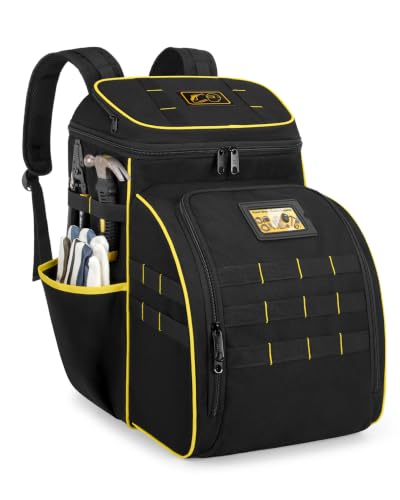
A tool backpack is easier to carry when a job requires movement, stairs, or ladder access. The load sits closer to the body than a duffel, and both hands remain available for climbing or stabilizing a workpiece. A structured backpack also protects delicate items such as a small inspection light, digital angle finder, or spare safety glasses.
Its limitations are important for welding. The internal compartments are often narrower than a tote’s, and a backpack usually has less room for a welding jacket, helmet, or bulky face shield. Sparks can also collect in seams and zippers. Choose a model with a flat, abrasion-resistant bottom and avoid placing it beside an active arc or freshly cut metal.
Premium tool backpacks, including models from Klein Tools and Veto Pro Pac, generally offer better stitching, padding, and organization than budget backpacks. They cost more, but the extra structure is worthwhile if the bag is carried several times a day rather than stored beside the welding machine.
Best for protective equipment: a separate welding gear duffel
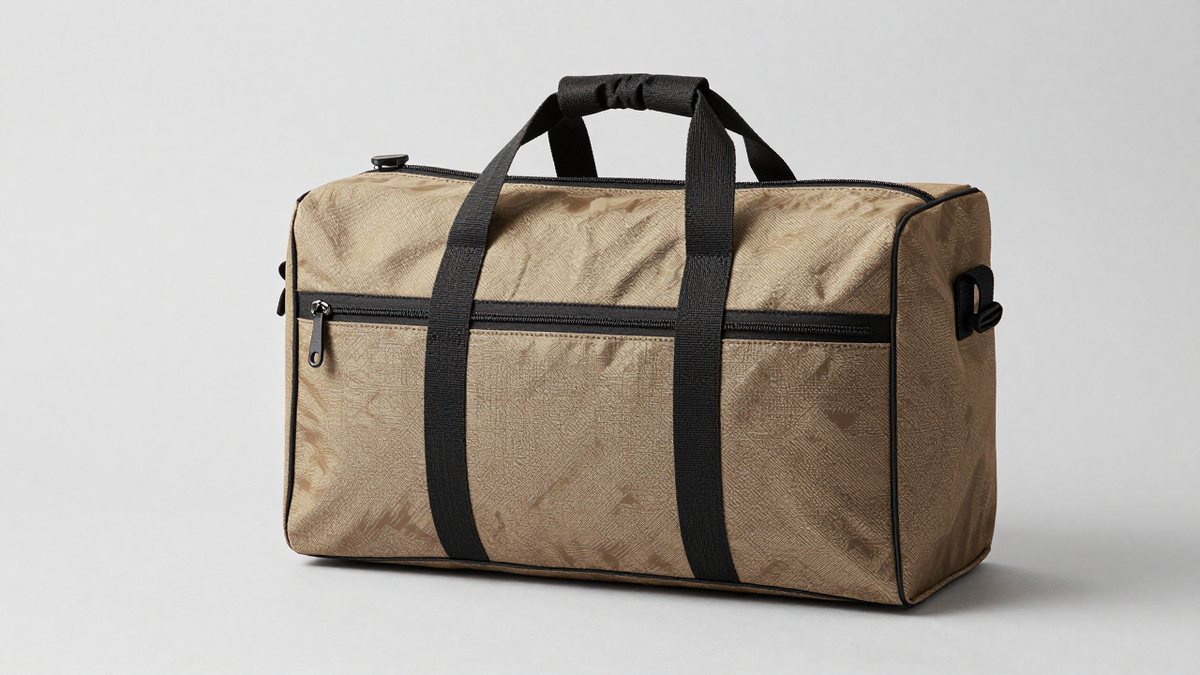
A duffel is the better answer when the main load is a helmet, welding hood, jacket, spare gloves, sleeves, respirator storage case, and hearing protection. Its open cavity avoids crushing the hood and allows damp clothing to be removed after a shift.
Do not use the protective-equipment duffel as a substitute for a tool organizer. Loose pliers and chipping hammers can damage a hood lens, and abrasive dust from a grinder can contaminate clean gloves. A practical system uses two bags: a compartmentalized tool bag for metal tools and a washable duffel for clothing and protective equipment.
Canvas and leather duffels tolerate rough handling, while synthetic bags are usually lighter and easier to clean. Neither should be treated as fireproof. A bag labeled heat-resistant may tolerate brief contact with warm equipment, but ordinary fabric can burn or melt when exposed to sparks, molten spatter, or a hot electrode stub.
How the leading features compare
Heat-resistant materials
For welding tool bags, heat resistance is usually a matter of placement rather than a promise of fire protection. Leather, heavy cotton canvas, and aramid-reinforced panels generally handle incidental warmth better than thin polyester. A rubberized or molded base resists abrasion and moisture, but some plastics can deform near hot metal.
Keep a dedicated metal can or approved container for hot electrode ends and grinding debris. Never put a hot tool, electrode, or freshly used abrasive disc directly into the bag, regardless of its material.
Reinforced compartments
Look for separate sleeves for long tools, a padded compartment for electronics, and a semi-open area for bulky pliers and hammers. Small elastic loops are useful for soapstone, markers, picks, and hex keys, but they are not a substitute for a protective pouch around sharp tools.
Interior dividers should be stitched into the base or sidewalls. Lightly sewn pockets often pull loose first when a bag is filled with locking pliers and steel hand tools. A removable divider is helpful if it is secured with hook-and-loop fasteners rather than left to collapse into the main compartment.
Portability and load balance
Try to keep the loaded bag below about 20% of the user’s body weight. For example, a 180-pound worker may find a 30-pound load manageable for short carries, but a 20- to 25-pound bag is more practical for repeated movement. The calculation includes the bag itself: a 5-pound structured tote with 18 pounds of tools already weighs 23 pounds.
For frequent carrying, choose padded handles at least 1 inch wide or contoured backpack straps. A removable shoulder strap is convenient, but it should attach to reinforced metal or fabric loops rather than the zipper tape.
Decision guide by welding situation
| Your situation | Best choice | Why | What to avoid |
|---|---|---|---|
| Low budget and occasional repairs | 600-denier open-mouth tote with molded base | Good access without paying for complex organization | Unlined fabric bags with no bottom protection |
| Daily maintenance work | 1,000-denier or heavier structured tote | Better stitching, tool separation, and abrasion resistance | Soft duffels that let tools pile together |
| Walking between workstations | Tool backpack with padded straps | Balances the load and leaves both hands free | Overloaded single-strap shoulder bags |
| Carrying helmet and clothing | 20–24-inch welding gear duffel | Protects bulky equipment and keeps clothing separate | Mixing dirty metal tools with clean protective gear |
| Wet, abrasive, or outdoor work | Hard-bottom modular tote | Elevates contents and cleans more easily | Uncoated canvas sitting directly on wet ground |
Ownership realities: what wears out first
The bottom corners, handle attachment points, zipper ends, and elastic loops usually fail before the main fabric. Inspect those areas monthly. Fraying beneath a handle is an early warning that the bag is being overloaded; replacing it before the stitching separates is cheaper than recovering scattered tools at a job site.
Empty the bag after dusty grinding work. Use a vacuum or soft brush for metal filings, then wipe synthetic fabric with mild soapy water and allow it to dry completely. Do not store wet gloves or a damp jacket in a closed bag. Moisture trapped against steel tools promotes rust and can leave a persistent odor in canvas.
Keep consumables in sealed inner pouches. Welding tips, contact tips, nozzles, electrodes, grinding wheels, and cutoff discs should not share an unprotected compartment with precision tools. Abrasive edges can cut pocket fabric, while electrode flux can shed into zippers and prevent them from closing smoothly.
Bottom line
Choose a 16- to 18-inch hard-bottom tote for the best balance of capacity, access, and durability. Choose a structured backpack when portability matters more than volume, and add a separate duffel when you carry bulky protective equipment. Prioritize reinforced load-bearing seams, a washable or molded base, sensible compartment spacing, and materials that tolerate incidental heat—while remembering that no ordinary welding tool bag is a safe container for hot metal or active sparks.