What's inside
- Best Diagonal Cutting Pliers for Clean, Effortless Cuts
- Shortlist by cutting job
- Capacity: copper is not piano wire
- Flush or beveled: choose the edge for the finish
- Does a high-leverage pivot reduce hand force?
- Pick by situation, not by the largest capacity claim
- Care that protects the cutting edges
- Related Guides
As an Amazon Associate I earn from qualifying purchases. This post may contain affiliate links at no extra cost to you.
Our Top Picks


Best Diagonal Cutting Pliers for Clean, Effortless Cuts
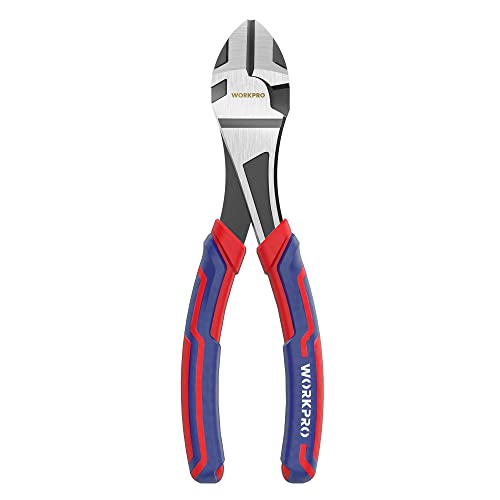
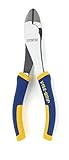
For most people, the best diagonal cutting pliers are 7-inch, high-leverage cutters with induction-hardened jaws and a manufacturer-rated capacity that covers the wire they actually cut; choose flush-ground edges for close, smooth cuts on soft wire, or a beveled edge for tougher, more forgiving general work. No single pair is ideal for copper, steel, and piano wire alike, so match the jaw geometry and capacity to the hardest wire in your regular workload.
Shortlist by cutting job
| Use | Good choice | Why it fits | Check before buying |
|---|---|---|---|
| Electronics, cable ties, and soft copper | 7-inch flush-cut diagonal cutters | Ground edges can leave a close cut with little protruding stub. | Flush cutters are usually not intended for steel or piano wire. |
| Electrical and general shop work | 7- or 8-inch high-leverage diagonal cutters | Longer handles and a compound or optimized pivot reduce hand effort. | Confirm the rated soft- and hard-wire capacities. |
| Frequent tough wire cutting | Heavy-duty, beveled-jaw cutters rated for hard wire | More robust edges tolerate demanding cuts better than fine flush edges. | Check the specific piano-wire gauge rating; “heavy duty” alone is not a capacity. |
| Occasional home repairs | 6- or 7-inch general-purpose cutters | Compact, affordable, and adequate for common soft wire and small fasteners. | Do not use them on hardened wire unless the maker explicitly permits it. |
For recognizable options, KNIPEX diagonal cutters and flush cutters, Klein Tools diagonal-cutting pliers, and Wiha diagonal cutters are established product lines. Models within each brand differ in size, jaw finish, pivot design, and permitted wire types, so compare the specifications for the exact model rather than relying on the brand name. General-purpose prices vary by size and construction: basic cutters are often in the lower tens of dollars, while premium or specialized models can cost several times more.
As an Amazon Associate we earn from qualifying purchases at no extra cost to you.

Capacity: copper is not piano wire
A cutter’s capacity depends on both wire material and diameter. Copper is relatively soft; steel is harder; piano wire—high-carbon spring steel—is especially demanding. A pair rated for a certain diameter of copper may be unsuitable for steel of the same diameter, and a hard-wire rating does not automatically mean the tool is approved for piano wire.
The table below is a practical way to interpret common wire gauges, not a claim that every cutter can handle them. Gauge standards and exact diameters can vary, and tool makers publish model-specific limits. Always use those limits as the authority.
| Wire gauge | Approx. diameter | Material comparison | Buying implication |
|---|---|---|---|
| 18 AWG | 1.02 mm | Common small electrical copper; steel is much tougher at similar diameter. | Many general cutters can handle soft copper at this size; verify steel capacity separately. |
| 14 AWG | 1.63 mm | Substantially thicker than 18 AWG; hard-wire cutting takes more force. | Look for an explicit capacity rating for the material you cut. |
| 12 AWG | 2.05 mm | Thick copper conductor; piano wire at this diameter is an entirely different challenge. | Do not infer piano-wire suitability from a copper rating. |
| 1.6 mm piano wire | About 14 AWG by diameter | Hardened spring wire can chip or deform edges not designed for it. | Buy only a cutter whose maker specifically rates it for piano wire at the required size. |
Wire gauge is not a complete capacity specification: insulation, stranded construction, alloy, hardness, and the condition of the cutter all affect the cut. If you work with several materials, choose a tool rated for the toughest one, then use a separate flush cutter for delicate work if clean, close ends matter.
Flush or beveled: choose the edge for the finish
Flush-ground edges
Flush cutters have nearly flat cutting faces that can shear soft wire close to a surface. They are useful for electronics leads, cable ties, and fine assembly work where a sharp protruding stub is inconvenient. The trade-off is a more delicate cutting edge. A flush profile is not a license to cut hardened steel: doing so can nick or chip the jaws, sometimes after very few cuts.
Beveled edges
Beveled cutters leave a small angled end on the cut material, but their edge geometry is generally better suited to everyday durability and a wider range of jobs. The bevel can push the cut end slightly proud of the work surface. For woodworking, electrical maintenance, and general shop tasks, that compromise is often preferable to damaging a fine flush edge.
“Semi-flush” designs sit between these approaches, leaving a smaller nub than a conventional bevel while retaining more edge support than a very fine flush-ground cutter. Check the manufacturer’s description and intended materials; the label is not standardized across every product.
Does a high-leverage pivot reduce hand force?
Yes, leverage can make a meaningful difference. A longer handle or a pivot positioned to improve the mechanical advantage can increase cutting force at the jaws for the same effort from your hand. Compound-leverage designs use an additional linkage to multiply force further. The benefit is most noticeable on thicker, harder wire within the tool’s rated capacity.
Leverage does not make an undersized cutter safe for piano wire. Nor does it guarantee a better cut: jaw alignment, edge hardness, and the wire’s position near the pivot matter too. For a tough cut, place the wire deep in the jaws, near the pivot, where the tool usually delivers more force. If the handles require excessive effort or the wire bends rather than shears, stop and use a properly rated cutter.
Pick by situation, not by the largest capacity claim
- Fine electronics or model work: Choose a small flush cutter for soft copper and component leads. Keep it dedicated to soft materials and avoid using it to snip pins, nails, or hardened wire.
- Homeowner or occasional repair: A 6- or 7-inch beveled diagonal cutter is a practical all-rounder. Look for comfortable handles and clearly stated soft- and hard-wire limits.
- Frequent electrical or shop work: Consider a 7- or 8-inch high-leverage model with ergonomic handles. Compare its separate copper and hard-wire capacities, not just its overall size.
- Spring steel or piano wire: Select a heavy-duty model explicitly rated for the specific wire type and diameter. If the maker does not list piano-wire capacity, ask the manufacturer or choose a tool that does.
- Limited budget: Buy one correctly rated beveled cutter before adding specialty tools. A bargain flush cutter used on hard wire can become an expensive false economy if its edges are damaged.
Care that protects the cutting edges
Wipe the jaws clean after use, especially if they have contacted adhesive, moisture, or corrosive residue. A light film of tool oil on the pivot helps maintain smooth movement; wipe away excess so it does not transfer to electrical work or finished wood. Keep cutters dry and store them with the jaws protected from other tools.
The cutting edges are usually the first part to show misuse. Dullness, chips, a visible gap at the jaw tips, or wire that crushes instead of shears are signs to retire the cutter from precision work. Do not grind the edges casually: changing their angle or alignment can spoil the cut. Avoid twisting wire while cutting, using the pliers as a pry bar, and cutting above the published capacity. Those habits can damage the edges or loosen the pivot long before the handles wear out.
For one pair that covers routine shop work, prioritize a well-made beveled cutter with high leverage and clearly published material-specific ratings. For consistently clean, nearly flush cuts, add a dedicated flush cutter—but keep it away from steel and piano wire unless its manufacturer explicitly says otherwise.