What's inside
- Best inverter welding machines: match the machine to your work and power supply
- What the specifications mean in practice
- Representative machines and specifications to compare
- Choose by your situation
- Check the power source before buying
- Setup and ownership details that affect results
- Bottom line
- Related Guides
As an Amazon Associate I earn from qualifying purchases. This post may contain affiliate links at no extra cost to you.
Our Top Picks




Best inverter welding machines: match the machine to your work and power supply
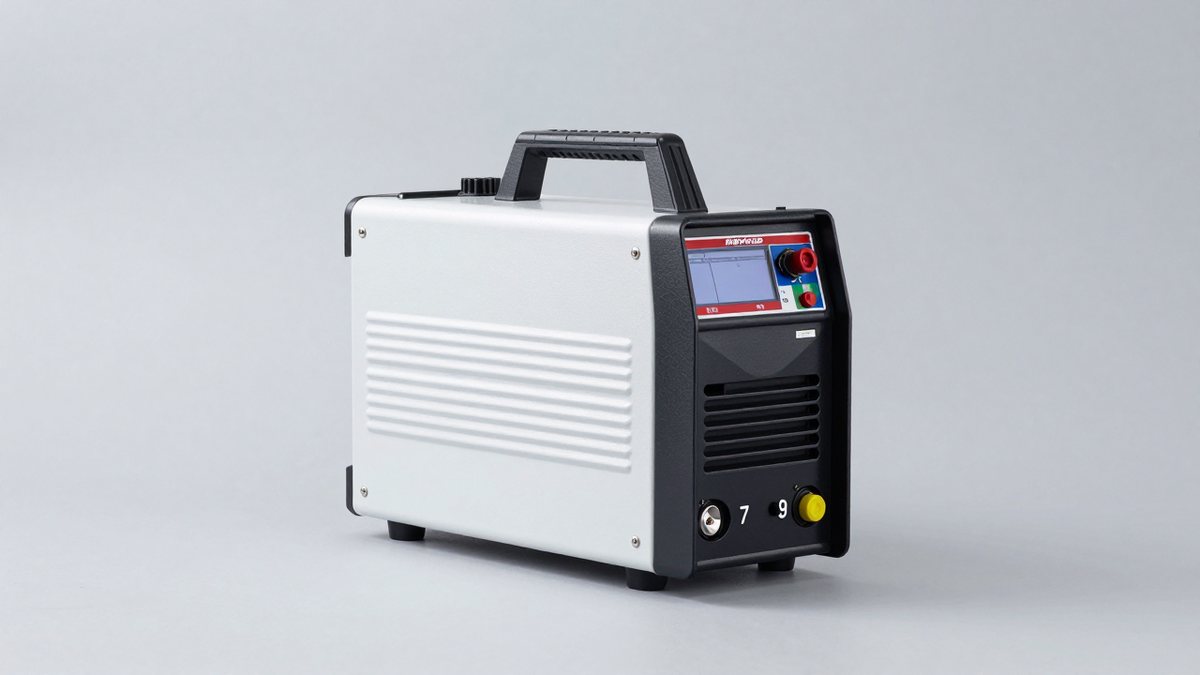
The best inverter welding machine for a home shop is usually a 120/240-volt multiprocess unit if you need flexibility, while a dedicated 240-volt stick or TIG machine is a better fit for frequent work on thicker steel. For a job site without dependable mains power, choose a compact stick welder that can run from a suitably rated generator. Before comparing brands, check the process, input voltage, output range, and duty cycle against the material and circuits you actually have.
What the specifications mean in practice
- Output range: Amps set the usable electrode, wire, or tungsten size and the thickness you can weld comfortably. As a rough guide, light-gauge steel often needs about 40–90 A; common 1/8-inch stick electrodes typically run around 90–140 A, depending on electrode type and position. These are starting points, not substitutes for the consumable maker’s settings.
- Input voltage: A 120-volt machine is convenient for outlets in a home shop, but its maximum output may be limited. A 240-volt circuit generally gives more headroom for thicker material and longer welds. Verify the breaker, outlet, plug, and extension-cord requirements in the manual; a machine’s ability to accept a voltage does not mean every household circuit can safely supply it.
- Duty cycle: This is the portion of a 10-minute period the machine can weld at a stated output before needing to cool. A 20% duty cycle at 100 A means two minutes welding, followed by eight minutes cooling at that rated condition. Duty cycle usually improves at lower amperage, so compare ratings at the output you expect to use.
- Process support: Stick (SMAW) needs no shielding-gas cylinder and is practical outdoors. MIG (GMAW) is often faster to learn for clean shop work, but needs wire, shielding gas for many applications, and protection from wind. TIG (GTAW) offers precise control on thin material but takes more skill and may require a torch, gas setup, and foot pedal.
- Portability: Inverter electronics can make a welder lighter than many older transformer machines, but leads, helmet, gas bottle, and accessories add substantial carrying weight. Check the machine’s listed weight and whether it has a robust case or handle.
Representative machines and specifications to compare
The models below illustrate distinct buying choices rather than a universal ranking. Specifications can vary by model revision and market, so confirm the current manual and nameplate before purchase. Duty-cycle figures are included only where a commonly published rating is clear; do not compare ratings taken at different amperages as if they were equivalent.
As an Amazon Associate we earn from qualifying purchases at no extra cost to you.



| Machine | Processes | Input and output reference | Portability / duty-cycle context | Best suited to |
|---|---|---|---|---|
| Lincoln Electric POWER MIG 211i | MIG, flux-cored, stick, DC TIG with suitable accessories | 120/230 V; MIG output up to 211 A | About 41 lb; duty cycle depends on process and output | Home shops needing broad process and voltage flexibility |
| Miller Multimatic 220 AC/DC | MIG, flux-cored, stick, AC/DC TIG | 120/240 V; up to 200 A output, depending on process and input | About 56 lb; check the manual’s rating for the selected process | Buyers who need aluminum-capable AC TIG as well as MIG and stick |
| ESAB Rogue ES 180i PRO | Stick and Lift TIG | 120/230 V; up to 180 A | About 18 lb; published rating is 25% at 180 A | Portable repair work and users who mainly weld with stick |
| Hobart Stickmate 160i | Stick and Lift TIG | 120/240 V; up to 160 A | About 20 lb; duty cycle varies with output and input | Basic steel repair, farm work, and occasional shop projects |
Output alone does not determine what a machine can weld. Material preparation, joint design, position, electrode or wire choice, and operator technique all matter. Also check what is included: a TIG-capable power source may not come with a TIG torch, regulator, pedal, or gas accessories.
Choose by your situation
| Your situation | Practical choice | Why |
|---|---|---|
| Beginner, occasional repairs, household 120 V only | 120 V-capable multiprocess machine or compact stick welder | It works with more available outlets, though output and duty cycle may limit thicker work. |
| Regular fabrication with access to a 240 V circuit | Dual-voltage MIG machine with stick capability | MIG supports efficient shop work; stick provides a useful backup for outdoor repairs. |
| Thin sheet, stainless, or aluminum with a clean, controlled finish as a priority | TIG-capable machine; AC/DC TIG for aluminum | TIG provides fine control. Aluminum TIG needs AC; DC-only TIG does not offer that process. |
| Remote job site, frequent carrying, uncertain wind | Lightweight stick inverter, with a generator only if its output is adequate | Stick avoids shielding-gas wind problems and is easier to carry than a full MIG setup. |
| Long welds or repeated production work | Machine with a strong duty-cycle rating at your target amperage | A high maximum-amp figure is less useful if the unit must cool after short weld periods. |
Check the power source before buying
For a home-shop welding machine inverter, identify the actual outlet and circuit first. Read the welder’s rated input current and plug requirements, then confirm that the circuit and wiring meet the manufacturer’s instructions and local electrical rules. Avoid relying on a long, undersized extension cord: voltage drop can cause poor arc performance and excess heating. If the installation is uncertain, ask a qualified electrician rather than changing plugs or breakers to make a machine fit.
For generator use, look for the welder maker’s generator guidance and allow for the machine’s input demand and starting behavior. A generator’s advertised peak watts are not the same as continuous capacity. If the generator is marginal, the arc may be unstable or the welder may trip its protection. A dedicated inverter for welding machine use should be selected as a compatible power source, not just by matching a headline wattage.
Setup and ownership details that affect results
- Match consumables to the job: Keep electrode type and diameter, wire size, and shielding gas appropriate to the base metal and welding position. A capable power source cannot compensate for mismatched consumables.
- Keep connections clean and tight: Inspect the work clamp, electrode holder or torch, and cable connectors for looseness, heat damage, or contamination. Poor connections can cause erratic arcs and hot spots.
- Protect the machine from dust and moisture: Follow the manual’s ventilation clearances and cleaning schedule. Grinding dust can restrict cooling, while rain and condensation create electrical hazards. Do not open the case unless the manufacturer authorizes the service.
- Plan for wear items: MIG contact tips, nozzles, liners, drive rolls, stick holders, and TIG tungsten are consumables. Check their availability and cost before choosing a machine, especially for less common torch connections.
- Use the duty cycle as a work-planning limit: Let the unit cool when its thermal indicator or manual calls for it. Repeatedly welding through thermal shutdown can interrupt work and stress the machine.
Use a properly rated welding helmet, gloves, flame-resistant clothing, and eye and skin protection. Remove or shield flammables, control sparks, and ensure suitable ventilation; welding fumes and gases can be hazardous. Follow the machine manual and applicable workplace safety requirements.
Bottom line
For a versatile home shop, a dual-voltage MIG/flux-core machine with stick capability is often the most adaptable choice. Choose a compact stick inverter when portability and outdoor repair matter more than speed, and prioritize AC/DC TIG capability when aluminum TIG is essential. The best inverter based welding machine is the one whose process, rated duty cycle, and input requirements fit your real work—not simply the model with the highest advertised amperage.