What's inside
As an Amazon Associate I earn from qualifying purchases. This post may contain affiliate links at no extra cost to you.
Our Top Picks



At a glance
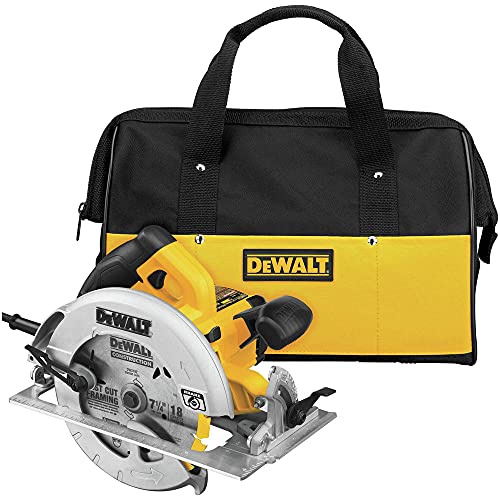
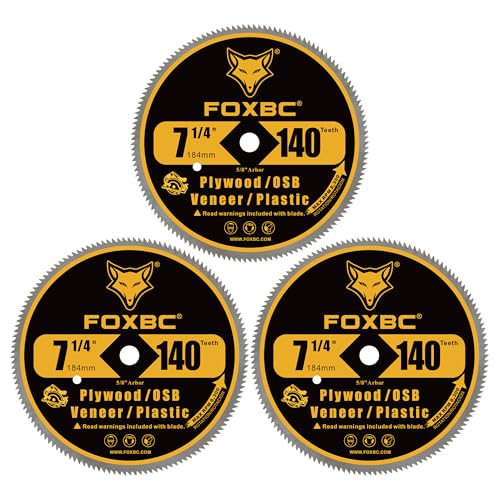
The Skilsaw SPT67WM and Bosch CS10 are 7¼-inch corded circular saws suited to plywood and general framing. Both use a standard 5/8-inch arbor and accept common 7¼-inch blades. The practical difference is less about raw cutting capacity than handling: the Skilsaw is a magnesium-bodied sidewinder built to keep weight down, while the Bosch is a heavier, familiar all-rounder with a strong bevel range.
For breaking down full sheets, either saw can do the work with a sharp plywood blade and a straightedge guide. The Skilsaw is the better fit if you value lower weight for repeated cuts. The Bosch is a sensible choice if you find it at a better price or want a saw for mixed shop and jobsite tasks. Check the exact version and included accessories before buying; configurations can vary by seller.
As an Amazon Associate we earn from qualifying purchases at no extra cost to you.



Key specifications
| Feature | Skilsaw SPT67WM | Bosch CS10 |
|---|---|---|
| Blade size | 7¼ in. | 7¼ in. |
| Motor rating | 15 amps | 15 amps |
| Maximum bevel | 56 degrees | 56 degrees |
| Weight | About 8.6 lb | About 10.3 lb |
| Blade position | Right-side blade | Right-side blade |
| Typical plywood use | Rip and crosscut with a suitable blade and guide | Rip and crosscut with a suitable blade and guide |
Published weights can differ depending on whether the blade and cord are included. Treat the figures as a useful comparison, not a guarantee of the exact weight in your hands.
How they handle plywood
Both saws have enough power for ordinary sheet goods. A 15-amp motor is a standard full-size corded-saw rating, and neither saw has an inherent advantage that will make a poor blade or unsupported sheet cut cleanly. For cabinet plywood, use a sharp blade with a high tooth count intended for fine cuts. A 40-tooth general-purpose blade is a workable compromise; a 60-tooth or higher plywood blade can leave a cleaner edge, though it may cut more slowly.
Blade deflection, chipped veneer and wandering cuts are the usual failure modes. A dull or dirty blade can burn the edge and pull fibers out of the face veneer. Cutting with the sheet sagging can pinch the blade, stall the saw or create a rough, tapered cut. Support the panel on rigid foam or well-placed sacrificial supports, set the blade depth so the teeth extend only about ⅛ inch below the material, and keep the saw’s base plate flat against the surface.
For a ¾-inch panel, a 7¼-inch saw has ample depth capacity. The cut quality will depend more on blade condition, feed rate and support than on the small differences between these two saws. If the work calls for repeatable, cabinet-grade edges, a track saw is a more suitable category to consider; a circular saw and guide can still work well for occasional cuts.
Handling and controls
The Skilsaw’s lower weight is its clearest advantage. A difference of roughly 1¾ pounds matters when making many overhead or awkward cuts, and it can make the saw less tiring to steer across a large panel. Magnesium construction helps reduce weight, but it does not make the saw immune to damage: avoid dropping it onto the guard or base, and keep dust out of the moving parts.
The Bosch is heavier, but that is not automatically a drawback. Some users prefer the more planted feel, especially when the saw is riding against a guide. The added weight becomes more noticeable when you carry the saw all day or make repeated cuts with the tool held away from your body.
Both have right-side blades, which is familiar to many users but can make the cut line less visible for a right-handed operator looking over the saw. Use the front notch or a clamped guide rather than relying on a long visual sightline. Before cutting, confirm the bevel and depth settings are locked; a loose bevel setting can tilt during the cut and spoil the edge.
Price and value
Prices change, so compare the current total cost, including the blade you actually need. If the Bosch is substantially cheaper, it is a reasonable buy for occasional plywood work; its weight does not prevent accurate cuts when the panel is supported and the saw is guided. Paying more for the Skilsaw makes most sense when reduced weight is a real benefit, not simply because the body is magnesium.
For a straightedge setup, a clamped saw guide or a shop-made plywood guide can be inexpensive and effective. If you regularly cut sheet goods and want faster setup with a controlled path, compare circular-saw track guides. A good blade is often a better first upgrade than replacing one of these saws.
Which one should you buy?
Choose the SPT67WM if you make frequent cuts, carry the saw between jobs, or expect to work in positions where every pound counts. Choose the CS10 if its price is lower, you prefer its balance, or you want a corded saw for occasional plywood and general construction cuts. For either saw, add a 7¼-inch plywood blade if the supplied blade is a coarse framing type.
Do not choose between them expecting one to eliminate tear-out or replace a precision cutting system. For a few panels a year, the cheaper saw is fine. For repeated clean cuts, spend attention first on the blade, panel support and guide; if those are still not enough, look at a track saw rather than paying a premium for a different standard circular saw.