What's inside
As an Amazon Associate I earn from qualifying purchases. This post may contain affiliate links at no extra cost to you.
Our Top Picks
 Makita XPH16Z 18V LXT® Lithium-Ion Compact Brushless Cordless18 volts6.9 x 3.47 x 6.9 inchesCheck on Amazon
 Makita XPH10Z 18V LXT Lithium-Ion Cordless 1/2" Hammer1/2" (Pack of 1)3.62 x 8.54 x 8.9 inches3 poundsCheck on Amazon
 Makita XRH01Z 18V LXT Lithium-Ion Brushless Cordless 1-InchRotary Hammer Only10 x 4 x 5 inches7.02 poundsCheck on Amazon
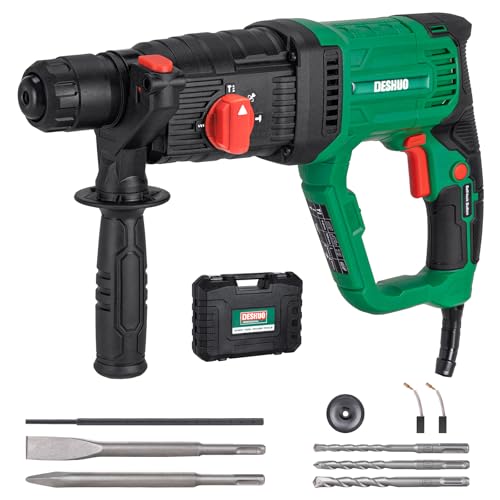 Deshuo 1" SDS-Plus Lightweight Rotary Hammer Drill forSmall15.15 x 8.85 x 3.93 inches7.19 PoundsCheck on Amazon

Quick verdict
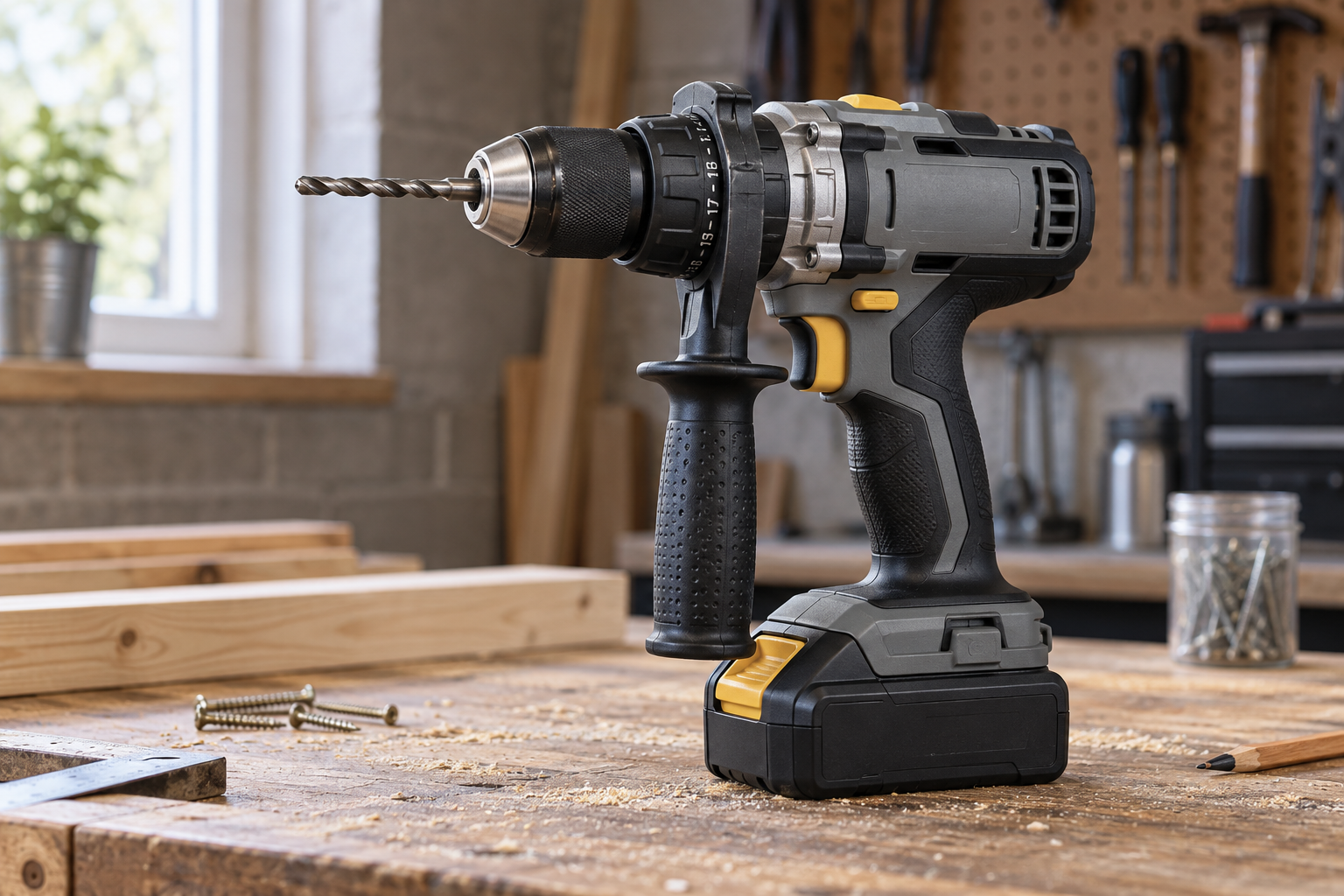
For repeated fastening into concrete, neither the Makita XPH16 nor the Bosch GSB18V-755 should be treated as a small rotary hammer. Both are cordless hammer drills: they use a percussion mechanism suited to occasional holes in masonry, but drilling many holes in concrete is slower and harder on the tool than using an SDS-plus rotary hammer.
Choose between these drills mainly on the battery platform you already own, the size of your fasteners and the amount of drilling involved. The Bosch is the larger, higher-torque option; the Makita is a more compact general-purpose drill. If the job is dozens of concrete holes, the better purchase may be a rotary hammer rather than either drill.
As an Amazon Associate we earn from qualifying purchases at no extra cost to you.



What the specifications mean on the job
| Factor | Makita XPH16 | Bosch GSB18V-755 | Why it matters |
|---|---|---|---|
| Class | 18V hammer drill/driver | 18V hammer drill/driver | Neither uses an SDS-plus bit system; both use a three-jaw chuck. |
| Maximum stated torque | About 530 in-lb | About 755 in-lb | Torque figures describe twisting force, not concrete-drilling speed. |
| Drilling approach | Compact, conventional hammer-drill design | Higher-torque, heavier-duty design | Bit quality, pressure and the concrete itself affect progress as much as the tool. |
| Best fit | Mixed household and trade drilling, with occasional masonry | Larger fasteners and demanding drilling where its extra torque is useful | For sustained concrete work, move up to an SDS-plus rotary hammer. |
Check the exact kit before buying: batteries, charger and included accessories vary by package. Published torque is not a direct measure of how quickly either tool will bore a hole in cured concrete. Concrete hardness, aggregate, hole diameter and bit condition all change the result.
Repeated concrete fastening: the important limit
A hammer drill’s chuck spins the bit while adding rapid impacts. That can handle small masonry holes, especially in softer block or brick. In hard poured concrete, the same setup can bog down, heat the bit and put sustained load on the motor. Larger holes make the difference more obvious. A drill may take several minutes to advance through a difficult hole, while an SDS-plus rotary hammer is designed to transfer impact energy more efficiently.
For a handful of small holes, either drill can be reasonable with a sharp carbide-tipped masonry bit. For repeated anchors, especially holes around 1/4 inch or larger in dense concrete, consider a corded or cordless SDS-plus rotary hammer. It generally makes the job faster and reduces the pressure you need to apply. The trade-off is extra cost, bulk and a separate tool if you do not already own one.
Do not keep leaning harder when a bit stops cutting. That can overheat the bit, stall the drill or twist your wrist if the bit catches. Pull the bit out periodically to clear dust, keep the drill aligned and let the tool cool if the housing or battery becomes hot. Stop if you encounter rebar; do not force a masonry bit through steel. Check the wall and anchor instructions before drilling, and use eye protection and a dust-control method.
Makita XPH16 vs Bosch GSB18V-755
The Bosch’s 755 in-lb torque rating gives it a clear advantage for demanding screwdriving and larger-diameter work, but that number should not be read as a promise of faster concrete drilling. In masonry, the impact mechanism, bit and material determine performance more directly. The Bosch’s extra power is useful when the same drill also has to drive substantial fasteners or bore larger holes in wood and metal.
The Makita XPH16 is the sensible choice when you want a capable all-purpose drill and already use Makita 18V batteries. Its lower torque rating is not a practical drawback for ordinary household assembly, pilot holes, light framing or a few small masonry holes. Its appeal is a less demanding general-use package, rather than a claim that it can match a rotary hammer in concrete.
In either case, avoid prolonged hammer drilling at the edge of the drill’s capability. If the chuck slips, the bit repeatedly stops, or holes take so long that the tool gets hot, switch to an SDS-plus tool. A worn or undersized battery can also limit performance, so compare kits with batteries of similar capacity rather than assuming a bare-tool specification tells the whole story.
Bits, anchors and setup
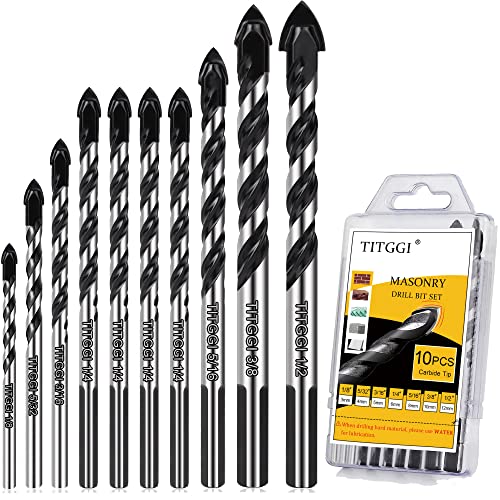
Use a masonry bit sized to the anchor maker’s instructions; a hole that is too wide can leave an anchor loose, while one that is too narrow can prevent full insertion. For concrete, choose a reputable carbide-tipped masonry bit set with the correct shank for a standard chuck. SDS bits do not fit these drills’ chucks unless an appropriate adapter is used, and an adapter does not turn a hammer drill into a rotary hammer.
Mark the required depth on the bit with tape or use the drill’s depth stop where available. Start slowly to keep the bit on the mark, then use hammer mode and steady, moderate pressure. Clear dust from the hole before installing the anchor; trapped debris can stop an anchor seating properly. If the fastener is intended for a rated or safety-critical load, follow its installation instructions rather than choosing an anchor by appearance.
Which one should you buy?
Buy the Bosch GSB18V-755 if you need the higher-torque drill for a broad mix of demanding tasks and are already invested in Bosch’s compatible 18V platform. Buy the Makita XPH16 if its platform fits your batteries and your concrete work is occasional, involving small holes rather than a long run of anchors. For light masonry, paying extra for the Bosch solely because its torque figure is higher is difficult to justify.
If concrete fastening is the main job, put the budget toward the right tool for the work: an SDS-plus masonry bit set and a rotary hammer are a better match for repeated holes. That setup costs more and is less versatile for ordinary screwdriving, but it is less likely to turn a straightforward installation into a slow, overheated drill session.