What's inside
As an Amazon Associate I earn from qualifying purchases. This post may contain affiliate links at no extra cost to you.
Our Top Picks


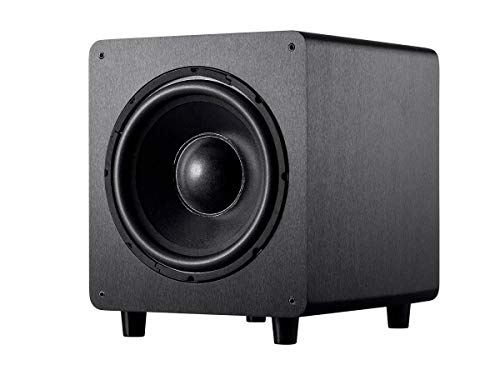
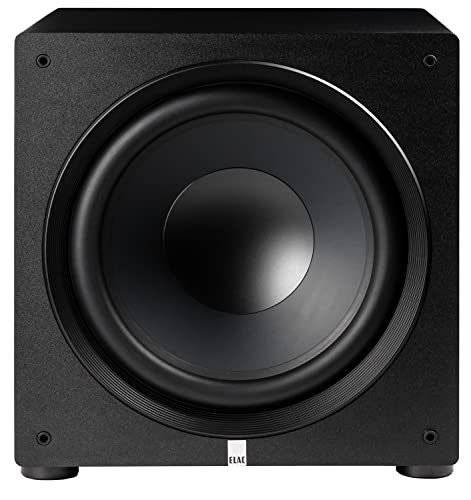
Best 15 Inch Home Subwoofers for Deep Bass
The best 15 inch home subwoofer for most large living rooms is the SVS PB-2000 Pro; choose the sealed SB-2000 Pro when space and a cleaner cabinet matter more than maximum output, and step up to the ported PB-3000 or a high-output theater sub for a large dedicated room. A 15-inch driver alone does not guarantee deeper or louder bass: amplifier power, enclosure design, room dimensions, and placement all affect the result.
Shortlist by room and priority
- Large living room, mixed movies and music: SVS PB-2000 Pro, a ported subwoofer with app-based control and enough output for many open-plan spaces.
- Smaller living room or limited floor space: SVS SB-2000 Pro. Its sealed enclosure is easier to place, though it generally gives up some maximum output against a comparable ported model.
- Dedicated home theater, strong impact: SVS PB-3000. Its ported cabinet and higher-output design suit demanding movie playback, but take up substantial space.
- Large theater or high playback levels: Look at larger, high-output models from brands such as HSU Research, Rythmik Audio, or Power Sound Audio. Compare measured output and cabinet dimensions rather than choosing by cone diameter alone.
What to compare before choosing
Manufacturers do not always publish comparable power figures or use identical measurement methods, so treat wattage as context—not a direct ranking. Continuous output, distortion, port tuning, and frequency response at useful volume matter more than a peak-power number. A ported enclosure can produce more output near its tuning frequency, while a sealed enclosure is often more compact and rolls off more gradually at the bottom end.
As an Amazon Associate we earn from qualifying purchases at no extra cost to you.


The table below compares practical fit and design. Dimensions are approximate and can vary slightly by finish or revision; check the current manufacturer specifications before buying.
| Model | Driver | Enclosure | Approx. cabinet dimensions (H × W × D) | Amplifier rating | Best fit |
|---|---|---|---|---|---|
| SVS SB-2000 Pro | 12 inches | Sealed | 15.6 × 14.6 × 15.6 in | 550 W RMS | Living rooms where compact size and controlled placement are priorities |
| SVS PB-2000 Pro | 12 inches | Ported | 20.9 × 17.3 × 23.6 in | 550 W RMS | Large living rooms needing strong movie bass without moving to a very large cabinet |
| SVS PB-3000 | 13 inches | Ported | 21.9 × 18.3 × 26.0 in | 800 W RMS | Dedicated theaters and listeners seeking higher output |
| Rythmik FV15HP | 15 inches | Ported | About 24 × 18 × 25 in | Model-specific amplifier; verify current specification | Large rooms where a genuine 15-inch driver and high-output design are desired |
Important: Two of these popular options are not 15-inch models. They are included because a well-designed 12- or 13-inch subwoofer may be a better room match than a poorly matched 15-inch cabinet. The Rythmik FV15HP is a true 15-inch option; confirm its current dimensions, amplifier configuration, and availability with the manufacturer before purchase.
How much subwoofer does your room need?
Room volume is a more useful starting point than floor area alone. Measure length × width × ceiling height, then consider whether the room opens into a hallway, kitchen, or another space. Open rooms behave like a larger listening area because bass energy spreads beyond the main seating zone.
| Room situation | Practical starting point | Why |
|---|---|---|
| Small, enclosed room under about 1,500 cubic feet | Compact sealed sub or moderate-output ported model | Room gain can reinforce deep bass; extreme output may be unnecessary |
| Typical living room, roughly 1,500–3,000 cubic feet | Capable 12-inch ported sub, or sealed model for moderate levels | Open doorways and furnishings make performance less predictable |
| Large or open-plan room above about 3,000 cubic feet | High-output ported sub; consider two subs | More air volume and seating positions demand more output and smoother coverage |
| Dedicated theater with high playback levels | High-output 15-inch class or multiple subs | Explosive movie effects need headroom, not just nominal extension |
These are starting points, not strict cutoffs. A small room with thin walls may call for less usable output than its volume suggests, while a large room used at moderate levels may not need a flagship subwoofer. If several seats matter, two well-placed subs can reduce bass unevenness across the room more effectively than one larger unit.
When a 15-inch sub is worth the space
Choose a 15-inch model when you have a large room, want high playback levels, or need substantial headroom for movies. The extra driver area can help a capable design move more air, but the driver is only one part of the system. A 15-inch sub in a small, awkwardly placed cabinet is not automatically better than a well-engineered 12-inch model.
Measure the complete footprint, including room for a port to breathe and access to the controls. A ported cabinet may be over two feet deep, and a heavy subwoofer can be awkward to maneuver around furniture. Check the product’s listed weight and plan where it will sit before ordering.
Setup choices that make a bigger difference than you might expect
- Start near the front wall. Try a corner for more output, then move the sub away if the bass becomes boomy. Room modes—not simply subwoofer quality—often cause one-note bass.
- Use the receiver’s bass management. Connect the subwoofer output, set speakers to “small,” and begin with an 80 Hz crossover. Adjust for your speakers and room rather than assuming a higher crossover is always better.
- Run room correction, then listen. Automatic calibration can help, but verify that it has not set an unsuitable crossover or reduced the subwoofer level too far.
- Keep ventilation and access in mind. Avoid blocking ports, controls, or amplifier vents. Leave room to reach the power switch and cables.
Ownership realities
Subwoofers usually need little routine maintenance, but dust the cabinet and keep ports and amplifier vents clear. Avoid dragging a heavy enclosure across hard floors; use a second person or furniture sliders. The most common setup mistake is turning the gain up to compensate for poor placement or incorrect receiver settings. Recheck connections, crossover, and calibration before increasing level. Also consider neighbors: deep bass travels through floors and walls more readily than many midrange sounds.
Bottom line
For a large living room, prioritize a capable ported model such as the SVS PB-2000 Pro; for a tighter space, consider the sealed SB-2000 Pro. In a dedicated theater, compare high-output ported options—including true 15-inch designs such as the Rythmik FV15HP—against cabinet size, measured performance, and budget. The right choice is the one that can deliver the output you want in your actual room without dominating the space.