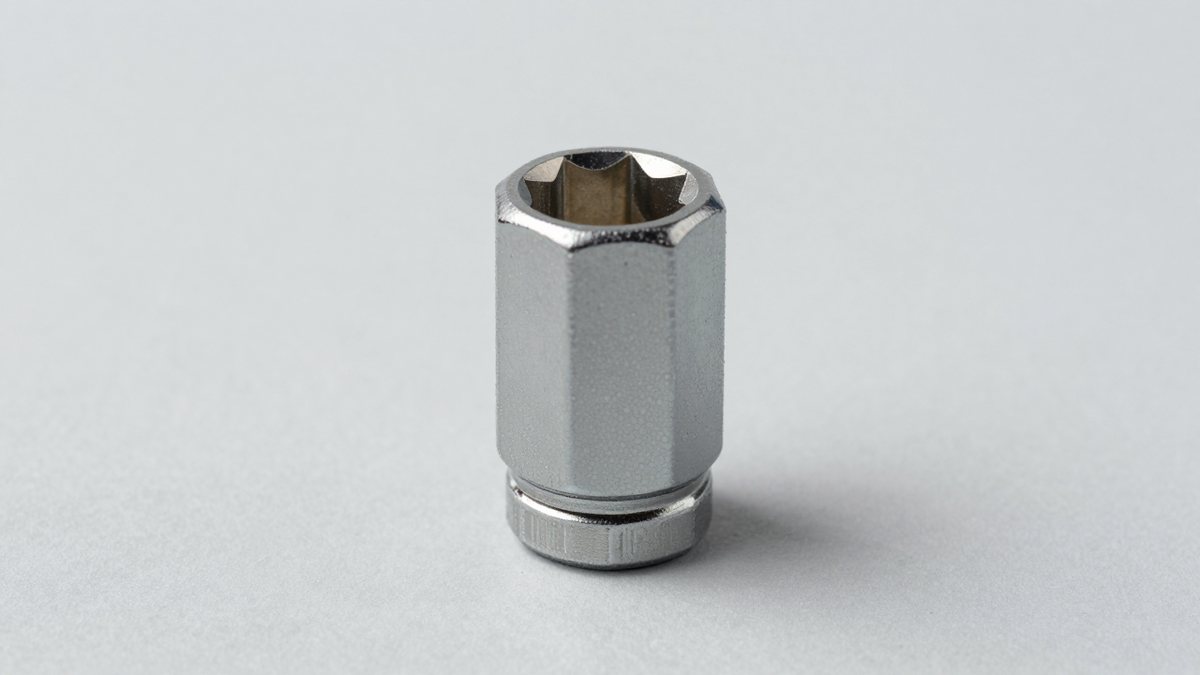
What's inside
As an Amazon Associate I earn from qualifying purchases. This post may contain affiliate links at no extra cost to you.
Our Top Picks

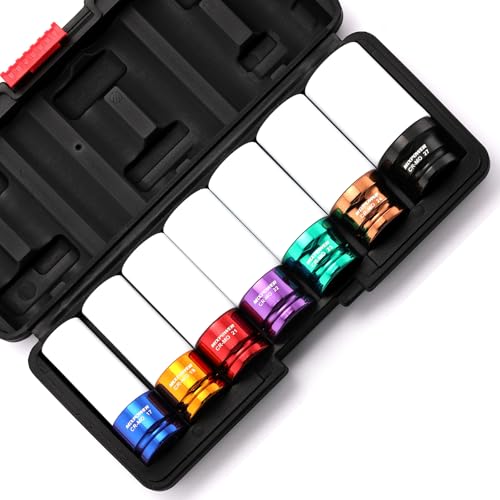


Best Lug Nut Socket Sets for Cars, Trucks, and SUVs
The best lug nut socket set for most drivers is a 1/2-inch-drive, impact-rated, thin-wall set covering 17, 19, 21, and 22 mm, with protective sleeves and a secure retention system; add 7/8-inch and 13/16-inch if your vehicles use SAE wheel nuts. Before buying, check the exact nut size, socket clearance inside the wheel, and whether you need sockets for an impact wrench or only a hand ratchet.
What matters more than the socket count
- Size coverage: Metric sockets commonly needed on passenger vehicles include 17, 19, 21, and 22 mm. Some vehicles use 18 or 20 mm, so verify the fit rather than assuming a common size applies. SAE sizes such as 13/16 and 7/8 inch are useful for certain trucks and older vehicles.
- Thin-wall clearance: A socket that fits the nut can still rub against the wheel’s lug recess. Measure the recess opening and compare it with the socket’s outside diameter. Deep sockets can also be too long for some wheel-and-tool combinations.
- Impact rating: For an impact wrench, choose impact-rated sockets, typically made from chrome-molybdenum steel and finished in black oxide or a similar protective coating. Do not use ordinary chrome-vanadium hand sockets on an impact wrench; they are harder and can fracture under impact loading.
- Protective sleeves: Nylon or other non-marring sleeves help reduce the chance of scratching painted or polished wheel surfaces. They can wear or split, so check whether replacements are available.
- Retention: A through-hole for a retaining pin and a groove for an O-ring help secure a socket to an impact wrench. A detent-compatible socket is convenient for ratchets and compatible tool anvils. Match the retention style to your tool.
Compare the main set types
The figures below describe common set formats, not specifications for a particular brand or model. Check the manufacturer’s dimensions and fitment details before ordering.
As an Amazon Associate we earn from qualifying purchases at no extra cost to you.


| Set type | Typical sizes | Common material and drive | Best suited to | Typical market range |
|---|---|---|---|---|
| Compact metric impact set | 17, 19, 21, 22 mm | Cr-Mo; 1/2 in drive | One or two metric passenger vehicles | $20–$50 |
| Extended metric impact set | 15–24 mm, often in selected sizes | Cr-Mo; 1/2 in drive | Several vehicles or less-common nut sizes | $30–$80 |
| Metric and SAE impact set | Common metric sizes plus 13/16 and 7/8 in | Cr-Mo; 1/2 in drive | Mixed vehicle fleets, including some trucks | $35–$90 |
| Thin-wall, sleeved wheel set | Usually 17, 19, and 21 mm; varies by set | Impact-rated steel with protective sleeves | Alloy wheels with narrow lug recesses | $25–$70 |
Prices are broad market ranges and vary with set size, finish, storage case, and replaceable sleeve availability. A larger set is not automatically better: extra sizes add little value if the sockets cannot clear your wheels or do not fit your tool.
Choose by vehicle and use
| Your situation | Practical choice | Why |
|---|---|---|
| One daily-driver car; occasional seasonal tire changes | Four-size metric impact set, 1/2 in drive | Covers common metric sizes without paying for a broad assortment you may never use. |
| Alloy wheels with tight lug recesses | Thin-wall impact sockets with replaceable sleeves | Outside diameter and sleeve condition matter as much as the socket’s stated nut size. |
| Pickup or mixed fleet with unknown wheel-nut standards | Metric-and-SAE set, after checking each vehicle | Provides broader coverage, but measure before assuming the added sizes fit. |
| Small toolbox or roadside kit; hand tools only | Compact sockets in the exact required sizes, plus a rated breaker bar | Reduces bulk. Use sockets rated for manual tools and do not substitute them on an impact wrench. |
| Frequent tire work in a shop or on several vehicles | Impact-rated thin-wall set with multiple retention options and replacement sleeves | Serviceable sleeves and secure fit can matter more over time than a few extra sizes. |
Check fit before you buy
Use this quick measurement process, especially for aftermarket wheels:
- Confirm the nut size. Check the vehicle manual or measure across the nut’s flats with calipers. A snug socket fit is important: an oversized socket can round a nut, while forcing on a smaller one can damage the socket or fastener.
- Measure the wheel opening. Measure the narrowest diameter of the lug recess. Compare it with the socket’s outside diameter, including any sleeve. Leave clearance rather than choosing a socket that barely enters.
- Check depth and tool access. Compare the socket’s internal depth with the exposed nut length. Make sure the socket and impact wrench or ratchet can reach the nut without hitting the wheel or suspension.
- Match drive and retention. Most automotive lug-nut impact sets use 1/2-inch drive. Check the tool’s anvil for a pin-and-ring system or detent, then select a compatible socket.
For example, if a wheel recess measures 24 mm across at its narrowest point and a sleeved socket measures 23.5 mm at its widest point, the nominal 0.5 mm difference may be too little once the wheel is dirty or the sleeve is slightly misaligned. Look for a narrower socket or test the actual fit; do not force it into the recess.
Safe removal and installation
- Park on firm, level ground, secure the vehicle, and follow the owner’s manual and vehicle-specific lifting points. Loosen nuts slightly before lifting, when appropriate.
- Use the socket that fits fully over the nut. Keep the tool square to the fastener and stop if the socket rocks, binds, or contacts the wheel.
- Use an impact wrench for removal only when suitable. For installation, start each nut by hand to avoid cross-threading; use a torque wrench for final tightening to the vehicle maker’s specified torque.
- Do not rely on an impact wrench’s setting as final torque. Its delivered force varies with the tool, battery or air supply, fastener condition, and how long it runs.
- After installation, follow the vehicle manufacturer’s guidance on rechecking wheel-nut torque, if specified.
Wear, cleaning, and common mistakes
Protective sleeves are often the first part to show wear: they can split, loosen, or collect grit that may mark a wheel. Replace damaged sleeves and wipe dirt from both sleeve and socket before use. Inspect the socket for cracks, distortion, a damaged drive end, or a retention hole that has become badly worn. Remove a damaged socket from service.
Store sockets dry and in their labeled case so metric and SAE sizes do not get mixed up. Avoid using a lug-nut socket as a general-purpose impact socket if it has a thin wall or a wheel-protective sleeve. Most importantly, do not mistake a socket that slips over a nut for a correct fit: seat it fully and verify that it grips without play.
Bottom line
For most cars and SUVs, start with a 1/2-inch-drive impact-rated metric set in 17, 19, 21, and 22 mm. Choose a thin-wall, sleeved version for alloy wheels, and add SAE sizes or less-common metric sizes only when your vehicles require them. The right purchase is the set that fits your lug nuts, clears your wheels, matches your tool, and lets you torque the fasteners correctly—not simply the one with the most sockets.