What's inside
As an Amazon Associate I earn from qualifying purchases. This post may contain affiliate links at no extra cost to you.
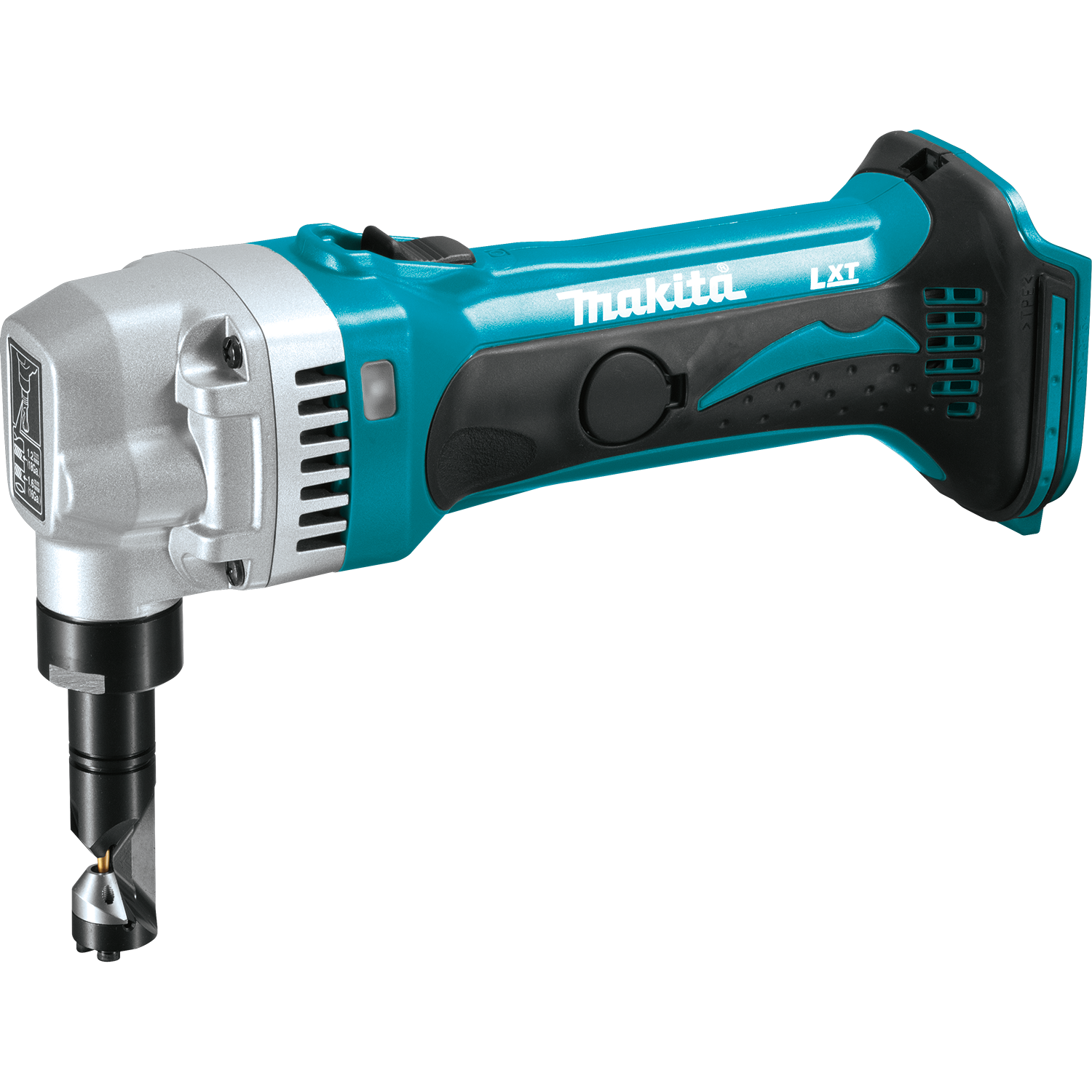
The Milwaukee M18 FUEL 2476-20 and Makita XNJ01Z are cordless 18-gauge nibblers for cutting sheet metal. Both use a reciprocating punch and die rather than a spinning blade, so they can follow curves without throwing a shower of hot chips like some metal-cutting saws. The cleaner result depends less on the badge than on sheet thickness, layout, punch condition and how steadily you feed the tool.
For most buyers, Milwaukee is the more convenient pick if they already own M18 batteries. Makita has a strong case for users invested in its 18V LXT platform. Neither is a substitute for shears when you need a nearly burr-free straight edge, and neither should be expected to cut every metal gauge listed on a jobsite without checking the tool’s capacity and the material.
As an Amazon Associate we earn from qualifying purchases at no extra cost to you.


Our Top Picks
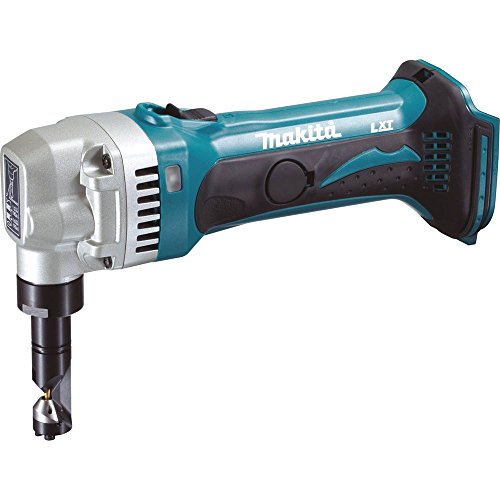 Makita XNJ01Z 18V LXT Lithium-Ion Cordless 16 GaugeOne Size3.54 x 11.26 x 7.8 inches4 PoundsCheck on Amazon
What “clean cuts” mean with a nibbler
A nibbler removes a narrow strip of material as its punch moves through the die. The cut edge is usually smooth enough for many roofing, ductwork and fabrication jobs, but it is not perfectly smooth: the tool leaves a small burr and a chain of tiny crescent-shaped slugs. Those slugs can be sharp, and they scatter around the work area.
Both tools are designed for sheet metal, including common mild steel and aluminum work. Published capacity varies by material, and stainless steel is harder on the punch and die than mild steel. Check the manual for the exact thickness limits for the material you plan to cut; do not assume a steel rating also applies to stainless. For a job near the stated maximum, test a scrap of the same stock first.
Milwaukee vs. Makita at a glance
| Factor | Milwaukee M18 FUEL 2476-20 | Makita XNJ01Z |
|---|---|---|
| Battery platform | M18, 18V | LXT, 18V |
| Cutting method | Punch-and-die nibbler | Punch-and-die nibbler |
| Best ownership fit | Shops and crews with M18 batteries | Users with LXT batteries |
| Typical trade-off | Compact cordless convenience; battery and tool cost matter | Good platform fit for LXT users; check kit contents and local price |
| Edge finish | Comparable nibbler-style edge; expect a small burr | Comparable nibbler-style edge; expect a small burr |
| Cleanup | Collect sharp slugs and deburr as needed | Collect sharp slugs and deburr as needed |
These are bare-tool products in many listings, so include the cost of a compatible battery and charger if you are starting from scratch. A kit price can change the value comparison substantially. Check whether the listing includes a battery, charger, punch and die, and any service tools before ordering.
Which one makes the cleaner cut?
On sound sheet metal within its rated capacity, neither has a clear edge-quality advantage that should decide the purchase. A clean result comes from keeping the tool square to the sheet, following a marked line at a steady pace and using a sharp, correctly installed punch and die. For a long straight cut, clamp a guide where the tool design allows it, but leave room for the head and slug outlet to pass.
Curves and tight notches are where a nibbler earns its keep. It can turn more readily than many shears, but forcing a tight turn can twist the tool, widen the cut or snag the sheet. Make relief cuts in scrap or at the end of a deep notch rather than trying to rotate sharply under load. If the edge will be visible or handled, plan to remove the burr with a file or deburring tool.
Cut quality degrades when the punch is worn, the die is loose, or the material is thicker or harder than the tool can comfortably handle. Warning signs include a rough edge, increased vibration, slowed cutting and the tool pulling off the line. Stop and inspect the tooling instead of leaning harder. Replace worn cutting parts with compatible service parts, and follow the manual’s lubrication and maintenance instructions.
Battery, handling and jobsite trade-offs
The Milwaukee makes most sense if your crew already has charged M18 packs and service support for the platform. The Makita is the sensible counterpart for an LXT shop. Buying into a second battery system just to run one nibbler is hard to justify unless pricing, availability or other tools on that platform make the choice worthwhile.
Battery size affects balance and runtime. A larger pack can extend work between swaps, but it also adds weight and can make overhead cutting tiring. For occasional short cuts, the battery you already own is often the better choice than buying a larger one solely for this tool. For repeated production work, keep a spare charged and test runtime on the material and cut pattern you actually use.
Nibblers are not quiet, and their slugs are a handling hazard. Wear eye protection, hearing protection and gloves suited to sharp sheet edges; keep hands clear of the die and the cut path. Support the offcut so it cannot sag and pinch the punch. Sweep up slugs before walking through the area or setting finished panels down on them.
Which one should you buy?
Choose the Milwaukee if M18 is already your platform, or if its local price and service availability are better. Choose the Makita if you already own LXT batteries and want a cordless nibbler for occasional sheet work. For either tool, compare the cost of a spare punch and die as well as the bare-tool price. If you need to make only a few cuts, renting or borrowing may cost less than buying either one.
If finish quality matters more than curves, consider the material and cut first. Hand shears can leave a neater edge on short, accessible cuts, while a suitable bench shear can be better for repeatable straight work. For longer straight cuts where speed matters, compare cordless metal shears. If you stay with a nibbler, keep a sheet-metal deburring tool nearby; it is a practical part of getting a safe finished edge, whichever brand you choose.
In short, expect similar cut quality from the Milwaukee and Makita when both are properly maintained and used within capacity. Buy around the batteries you own, verify the capacity for your specific metal, and budget for deburring and slug cleanup. Those choices will matter more to the finished edge than a small difference in tool speed or brand.