What's inside
As an Amazon Associate I earn from qualifying purchases. This post may contain affiliate links at no extra cost to you.
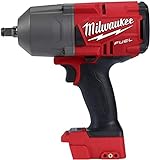
The Milwaukee 2962-20 and DeWalt DCF891 are compact, 1/2-inch mid-torque impact wrenches built for jobs such as removing lug nuts, suspension fasteners and bracket bolts. Both are 18V-class cordless tools: Milwaukee uses its M18 battery platform, while DeWalt uses 20V MAX batteries. Neither includes a battery or charger in the bare-tool version.
For vehicle repairs, the choice comes down less to headline torque than to control, battery investment and how often you face stubborn fasteners. Both can be too much for small bolts and too little for badly seized heavy-truck hardware. Use a torque wrench for final tightening; an impact wrench is not a torque-control tool.
As an Amazon Associate we earn from qualifying purchases at no extra cost to you.


Our Top Picks
Key specifications and differences
| Feature | Milwaukee 2962-20 | DeWalt DCF891 |
|---|---|---|
| Drive | 1/2-inch friction ring | 1/2-inch hog ring |
| Published fastening torque | 650 ft-lb | 600 ft-lb |
| Published nut-busting torque | 1,100 ft-lb | 800 ft-lb |
| Length | About 6.0 inches | About 5.9 inches |
| Weight without battery | About 5.1 lb | About 4.6 lb |
| Control features | Four drive modes, including bolt removal and auto shut-off behavior | Four modes, including precision wrench control |
| Battery platform | Milwaukee M18 | DeWalt 20V MAX |
Manufacturers’ torque figures are useful for comparing tools within a brand, not as a promise that every rusty bolt will break loose. Results depend on battery condition, socket fit, fastener corrosion and how long the tool is allowed to hammer. Published values and tool specifications can also change, so check the current product listing before buying.
How they perform on vehicle fasteners
Either wrench is a sensible size for passenger-car wheel nuts, many brake and suspension jobs, and general shop use. They are substantially more capable than compact impact drivers, while staying short enough to fit behind a wheel or around some suspension components. A deep impact socket still adds length, and neither tool will fit every cramped space.
The Milwaukee’s higher published breakaway figure gives it an advantage on stubborn fasteners on paper. That can matter when working on older vehicles with rusted suspension hardware. It is not a guarantee: a rounded nut, corroded stud or fastener seized inside a bushing may need penetrating oil, heat, a breaker bar or a different repair approach. Repeated hammering can damage the fastener before it loosens.
DeWalt’s lower weight may be welcome during overhead work or a long day of tire and brake jobs. The difference is roughly half a pound before adding a battery; the battery can bring the complete tool above six pounds. Both are still substantial tools to hold at arm’s length. If tight access is the main problem, consider a compact ratchet or a smaller impact wrench rather than expecting either mid-torque to reach everywhere.
Control matters as much as power
These tools can quickly overtighten wheel nuts and smaller suspension fasteners. Milwaukee’s modes are designed to help limit overrun in certain fastening and removal situations. DeWalt’s precision modes likewise aim to reduce the chance of sending a fastener spinning too far. Treat these features as aids, not calibrated torque settings: they do not replace a torque wrench or a manufacturer’s tightening specification.
A practical method is to run wheel nuts down gently with the impact wrench, then finish them in the correct sequence with a torque wrench. For removal, start with a properly seated impact-rated socket and keep the tool square to the fastener. If a nut does not move after a few short bursts, stop to assess it rather than holding the trigger indefinitely. Long hammering sessions build heat and can stress the socket, fastener and tool.
Use impact-rated sockets, not chrome hand sockets. Wear eye protection, keep fingers clear of pinch points, and secure the vehicle on correctly rated stands when working underneath it. An impact wrench is not a substitute for a jack stand.
Choose around the battery platform
If you already own several M18 batteries, the 2962-20 is usually the straightforward choice; the same is true of the DCF891 if your kit is built around DeWalt 20V MAX. Buying into a second battery system for one wrench can erase the value of a bare-tool discount. For a first cordless tool, compare the cost of a battery, charger and tool together, not just the tool-only price.
The DeWalt is the easier value pick when it is meaningfully cheaper or you already own compatible batteries. For routine passenger-car repairs, its published capacity is ample for many common jobs. Paying extra for the Milwaukee makes more sense if you use M18 already or regularly tackle difficult fasteners where its higher stated breakaway torque may help.
Which one should you buy?
Choose the Milwaukee 2962-20 if you are invested in M18, want a little more published breakaway capacity, or expect frequent use on older, rusty vehicles. Choose the DeWalt DCF891 if you own 20V MAX batteries, value its lower bare-tool weight, or find it at a better kit price. For occasional tire rotations and routine repairs, either is capable; the cheaper option is fine when it matches your battery platform and has enough power for the work you actually do.
If you are shopping beyond these two, compare 1/2-inch mid-torque impact wrenches and check whether listings include a battery and charger. Pair the wrench with 1/2-inch impact sockets, and keep a reliable automotive torque wrench for final tightening.