What's inside
As an Amazon Associate I earn from qualifying purchases. This post may contain affiliate links at no extra cost to you.
Our Top Picks


Two saws, two approaches to control
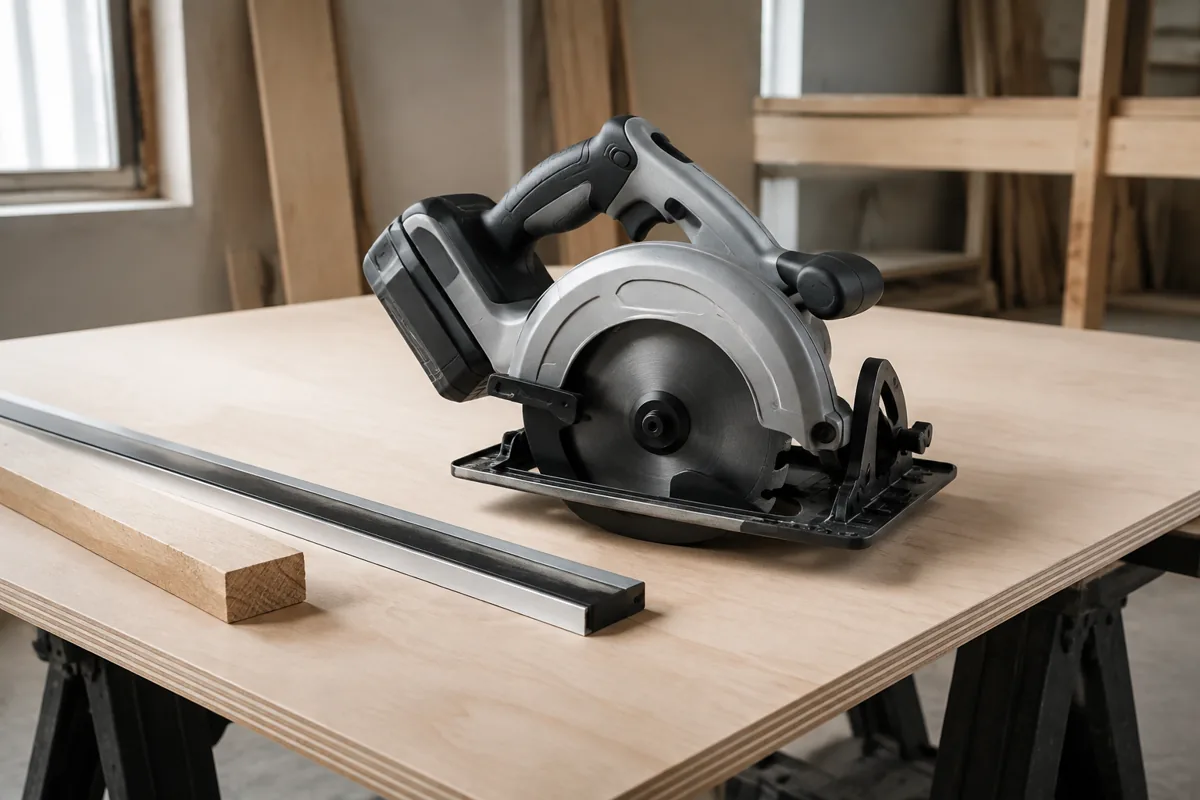
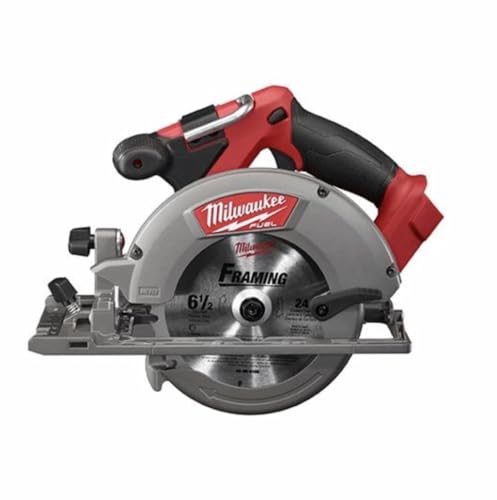
The Milwaukee M18 FUEL and Hilti SC 30WR-22 are cordless 7-1/4-inch circular saws built for framing and other demanding cuts. Both use 18-volt-class battery platforms, but they are aimed at different buying decisions: Milwaukee is a practical fit for crews already invested in M18, while Hilti pairs its saw with the Nuron battery system and a notably robust build.
For cutting ordinary 2x lumber, either can make clean, repeatable cuts with a sharp blade and a stable stance. The difference shows up in handling, battery logistics, and how much you value features such as a rafter hook, dust collection, and platform support. “Control” is not just motor power: it includes sight lines, shoe stability, blade tracking, and whether the saw feels manageable during a long series of cuts.
As an Amazon Associate we earn from qualifying purchases at no extra cost to you.


Specifications that affect the cut
Exact weight and runtime depend on the specific saw generation, battery, blade, and configuration. Check the product listing for the version sold in your market; do not compare bare-tool weight with a tool fitted with a large battery. Both saws use a 7-1/4-inch blade and are intended for full-depth crosscuts through standard framing lumber.
| Factor | Milwaukee M18 FUEL | Hilti SC 30WR-22 |
|---|---|---|
| Battery platform | Milwaukee M18 | Hilti Nuron |
| Blade class | 7-1/4 inch | 7-1/4 inch |
| Typical buyer | M18 owners seeking a versatile framing saw | Nuron users prioritizing a heavy-duty saw and service support |
| Cutting control priorities | Familiar handling, accessible platform batteries and accessories | Rugged jobsite design, with dust-management provisions on applicable configurations |
| Main trade-off | Performance and runtime vary with battery choice; platform fit matters | Higher system cost and less appeal if you do not already use Nuron |
How they behave on jobsite lumber
A typical 2×4 is 1-1/2 inches thick, so either saw has ample depth for a square crosscut. A 2×6 is 1-1/2 by 5-1/2 inches; it is still a straightforward crosscut, but a bevel or a cut made from an awkward position makes shoe support and a clear sight line more important. For a 45-degree bevel, verify the saw’s stated depth capacity and test the setup on scrap rather than assuming the full 2x thickness is available.
On framing, the blade often matters more than a small difference between saws. A 24-tooth framing blade cuts quickly but leaves a rougher edge; a higher-tooth-count blade generally cuts more cleanly, with slower feed and potentially greater heat. If a saw wanders, check that the blade is sharp, the shoe is flat against the stock, and the work is supported on both sides of the cut. Forcing a dull blade can cause burning, poor tracking, and battery drain.
Neither saw makes a freehand rip through a long sheet automatically straight. Mark the line, keep the shoe fully supported, and use a straightedge when the cut needs to be accurate. On narrow stock, clamp the work so it cannot shift as the offcut separates. A cut that pinches the blade can stop the saw or kick the work; avoid cutting between unsupported spans.
Battery, runtime, and ownership cost
For repeated cuts through wet or dense lumber, a larger high-output battery usually helps maintain performance and reduces the number of swaps. It also adds weight, which can make overhead or ladder work less comfortable. For occasional repairs or a handful of crosscuts, a smaller battery may be perfectly adequate. Runtime cannot be reduced to one reliable cut count: lumber species, blade condition, cut depth, battery age, and feed pressure all change the result.
Choose by the batteries and chargers you already own, not by bare-tool price alone. A less expensive Milwaukee tool is not a bargain if you need to buy several batteries; the same is true of Hilti Nuron. If you already have M18 packs, the Milwaukee M18 FUEL circular saw is the straightforward platform choice. If your crew standardizes on Nuron and values Hilti’s service model, compare the Hilti SC 30WR-22 as a system purchase, including batteries and charger.
Dust, safety, and common failure modes
Cutting treated lumber, sheet goods, or indoor framing can create substantial dust. Use appropriate eye and hearing protection, and connect dust extraction where the saw supports it. Dust ports do not replace ventilation or a suitable respirator when conditions call for one. Keep hands out of the blade path, wait for the blade to stop before setting the saw down, and do not defeat the lower guard.
Common problems are usually setup problems rather than a lack of motor power. A blade that binds often points to a closing kerf or unsupported stock. A cut that veers may come from twisting the saw to follow the mark instead of keeping the shoe steady. A battery that seems to run down quickly may be undersized for the workload, worn, or paired with a dull blade. Inspect the blade and work support before blaming the tool.
Which one makes sense?
For a homeowner, remodeler, or framing crew already using M18, Milwaukee is often the sensible buy: it fits an established battery pool and handles routine lumber work without requiring a second platform. The cheaper choice is entirely fine when the saw will make occasional cuts, especially if you already own compatible batteries. Put some of the saved money toward a quality blade and a stable work support; those can improve cut quality more than moving to a more expensive saw.
Hilti is easier to justify for a Nuron-equipped contractor who needs a durable daily-use tool and prefers Hilti’s service and fleet support. It is harder to justify as a one-off purchase if the batteries, charger, and local support are new expenses. Before buying either, handle the saw with the battery you expect to use, check that you can see the cut line in your normal stance, and confirm the bevel and depth adjustments are easy to lock securely.