What's inside
As an Amazon Associate I earn from qualifying purchases. This post may contain affiliate links at no extra cost to you.
Our Top Picks
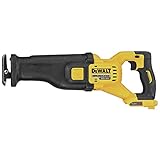
 DEWALT FLEXVOLT 60V MAX* Reciprocating SawOne Size19.4 x 7.3 x 4.21 Inches7.43 PoundsCheck on Amazon
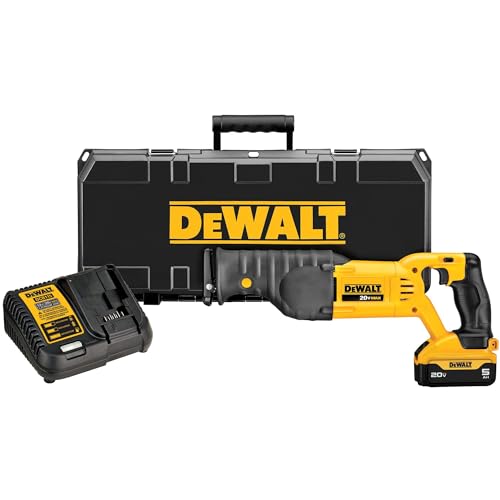
 DEWALT 20V MAX* Cordless Reciprocating Saw KitOne Size14.75 x 3.5 x 7.5 inches7 PoundsCheck on Amazon

The short answer
For cutting cast iron pipe with a reciprocating saw, the DeWalt DCS389 usually has the advantage. Its 60V FlexVolt power system and long 1-1/8-inch stroke remove material faster, especially on thick soil pipe and hub sections. The Milwaukee M18 Fuel is easier to handle, quieter in a confined space, and good enough for occasional cuts when fitted with the right carbide blade.
Neither saw produces a truly clean, square cut by itself. Cast iron is brittle, heavy, and prone to cracking or chipping. The blade, support, access, and cutting technique have more effect on the finished edge than the color of the tool.
As an Amazon Associate we earn from qualifying purchases at no extra cost to you.


What cutting cast iron demands
Do not use a standard wood blade or ordinary bi-metal demolition blade on cast iron. It may start cutting, then lose teeth quickly or overheat. Use a carbide-grit reciprocating saw blade for cast iron. Carbide-grit blades cut by abrasion rather than relying on individual teeth, so they tolerate the hard, uneven surface better.
A 6-inch blade is easier to control in an exposed section of pipe. An 8- or 9-inch blade gives more reach around a hub but flexes more. Excess blade length is a common cause of wandering cuts. Keep the shoe firmly against the pipe and use only the exposed length needed to pass through the wall.
Expect a 4-inch cast iron pipe cut to take roughly one to three minutes with a suitable carbide blade, depending on wall thickness, access, and blade condition. A worn blade can stretch that to five minutes or more. Stop if the blade begins skating, the tool overheats, or the pipe starts moving.
Milwaukee M18 Fuel vs DeWalt DCS389
| Feature | Milwaukee M18 Fuel reciprocating saw | DeWalt DCS389 |
|---|---|---|
| Battery platform | 18V M18 | 60V FlexVolt |
| Typical stroke length | About 1-1/4 inches on current full-size Fuel models | 1-1/8 inches |
| Speed | Up to about 3,000 strokes per minute, model dependent | Up to 3,000 strokes per minute |
| Cast iron strength | Good with carbide-grit blades | Very strong; maintains speed better under load |
| Handling | Lighter and more compact with a mid-size battery | Heavier and bulkier with a FlexVolt battery |
| Best fit | Plumbers and remodelers already invested in M18 | Frequent heavy cutting and thick cast iron |
“Milwaukee M18 Fuel” covers several generations and configurations, so exact weight and stroke specifications vary. The important point is that the full-size Fuel saw has enough output for cast iron, but it is an 18V tool. The DCS389 has a much larger energy reserve and is less likely to bog when the blade encounters a thick hub or a contaminated section of pipe.
Which one cuts more cleanly?
The DeWalt generally cuts faster and holds a straighter line under pressure. That matters because a fast cut spends less time heating the blade and gives the operator less opportunity to twist the saw. On a vertical 4-inch stack, the DCS389 is the better choice when the pipe is thick, supported poorly, or partly buried in mortar.
The Milwaukee can make an equally clean cut when the material is accessible and the operator lets the blade work instead of forcing it. Its lighter body is useful when cutting overhead, between studs, or inside a cramped crawlspace. A lighter saw is easier to keep aligned, and alignment is what prevents a ragged, angled cut.
There is one important limitation: the cleaner-looking edge often comes from using a pipe snap cutter, not a reciprocating saw. A snap cutter can leave a more uniform break around suitable cast iron pipe, but it needs room for the chain and may not work near a wall, fitting, or buried joint. For tight access, the reciprocating saw is more versatile.
Blade and technique matter more than advertised power
Clamp or brace the pipe before cutting. If the section can sag as the cut nears completion, it will pinch the blade and may crack the remaining pipe. Support both sides, leave the cut section controlled, and never rely on the saw to hold a suspended length of cast iron.
Start at low speed with the shoe planted. Once the carbide abrasive has established a groove, increase pressure gradually. Keep the saw moving in line with the cut; twisting the handle side to side can break carbide grit loose and widen the kerf. Let the tool cool between cuts if the blade or housing becomes very hot.
Wear eye protection, hearing protection, gloves, and a suitable dust mask or respirator. Cast iron cutting creates sharp chips and abrasive dust. Check for water, gas, electrical, and buried services before cutting, and treat old pipe coatings as potentially hazardous rather than assuming they are harmless.
Which one should you buy?
Choose the DCS389 if cast iron, thick steel, structural demolition, or repeated heavy cutting is a regular part of your work. Its added weight and 60V battery cost are justified when the saw must maintain speed through difficult material. If you already own FlexVolt batteries, it is the stronger dedicated demolition choice.
Choose the M18 Fuel if you already own M18 batteries, do occasional plumbing demolition, or value a more manageable tool in tight spaces. It is not a poor cast iron saw; it simply rewards better setup and more patience. The cheaper option is fine for one or two accessible pipe cuts, particularly when buying into another battery platform would cost more than the job.
Whichever saw you select, budget for several 6-inch carbide-grit blades. A fresh blade on a properly supported pipe will beat a more powerful saw fitted with the wrong blade every time. For frequent cast iron work, also consider a cast iron soil pipe snap cutter when access allows; it can produce a cleaner, faster break with less dust.