What's inside
As an Amazon Associate I earn from qualifying purchases. This post may contain affiliate links at no extra cost to you.
Our Top Picks
 Milwaukee 2787-22 M18 Fuel 1-1/2" Magnetic Drill Kit1-1/2"7.25 x 21.88 x 29.13 inches29.5 poundsCheck on Amazon

Quick verdict
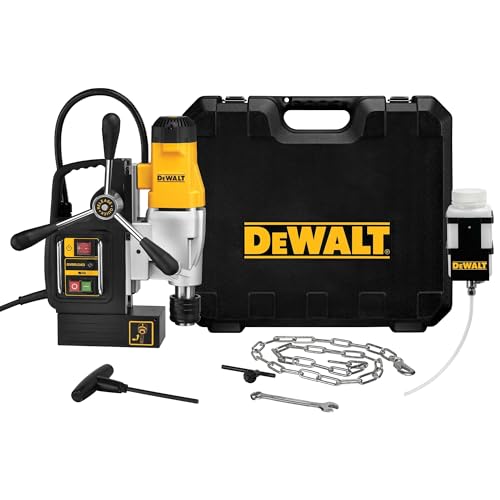
The Milwaukee 2787-22 and Hougen HMD2MT are compact magnetic drills for steelwork, but they take different approaches. Milwaukee’s is a cordless 18-volt tool with a 1-1/2-inch annular-cutter capacity; the Hougen is a corded drill with a 2-inch capacity. Choose the Milwaukee when moving around a jobsite without a cord matters more than maximum hole size. Choose the Hougen when you need the extra capacity, expect sustained drilling, or can work near a suitable power source.
Neither is a substitute for checking the material, cutter, and mounting conditions before drilling. A magnetic base can lose its hold on thin, uneven, painted, or dirty steel, and a powerful drill does not make an unsafe setup acceptable.
As an Amazon Associate we earn from qualifying purchases at no extra cost to you.


At-a-glance comparison
| Feature | Milwaukee 2787-22 | Hougen HMD2MT |
|---|---|---|
| Power | 18V battery platform | Corded electric |
| Maximum annular-cutter capacity | 1-1/2 in. | 2 in. |
| Maximum cutting depth | 2 in. | 2 in. |
| Magnet type | Permanent magnet | Electromagnetic base |
| Best fit | Mobile work and locations without convenient power | Larger holes and longer work near an outlet or generator |
Specifications can vary by kit, cutter, and market. Confirm the manual and accessory compatibility for the exact tool you are buying, especially if you already own cutters or batteries.
Power, capacity, and drilling pace
The Hougen’s 2-inch cutter capacity gives it a clear edge when the job calls for holes larger than 1-1/2 inches. That extra half inch in diameter means more than a modest increase in effort: a 2-inch hole removes about 78% more area than a 1-1/2-inch hole. If large holes are routine, the Milwaukee’s capacity limit is a real constraint, not a number you can work around by pushing harder.
The Milwaukee’s battery power is valuable when the work is spread across a structure, a truck, or a site where extension cords are awkward. Its 2-inch cutting depth covers many plate and beam-flange jobs, but repeated large holes can draw batteries down quickly. Have charged spares available for production work. A corded Hougen avoids battery changes during a run, though you still need a properly rated supply and a cord routed where it will not snag or create a trip hazard.
Actual drilling time depends heavily on steel thickness, cutter condition, feed pressure, and lubrication. Do not force a dull cutter to keep up with the schedule. Excessive pressure can overheat teeth, damage the cutter, or make the drill grab as the slug breaks free.
Magnet, setup, and failure modes
The Milwaukee’s permanent magnet does not need electrical power to maintain its hold. That is useful when working away from an outlet and avoids making magnet retention depend on a live cord. Its trade-off is that positioning and releasing the base require following Milwaukee’s procedure; do not treat it like a conventional electromagnetic base with a simple power switch.
The Hougen’s electromagnetic base is familiar to many fabricators and can be switched on and off for positioning. But its holding force depends on the base being energized and making proper contact with suitable steel. A power interruption, poor contact, or inadequate workpiece thickness can compromise retention. Keep the drill secured as directed, and never assume the magnet is holding safely just because the indicator or switch is on.
For either tool, clean the contact area and the underside of the base. Rust scale, chips, paint, and a curved or narrow surface can reduce contact. Check that the steel is thick and flat enough for the manufacturer’s minimum requirements; thin sheet can flex or fail to support the magnet, even if it is ferrous. On vertical or overhead work, use an appropriate safety chain or other secondary retention where specified. Keep hands clear of the cutter and the falling slug, and wear eye protection.
Which one should you buy?
Buy the Milwaukee 2787-22 if portability is the main reason you want a mag drill, your holes stay within 1-1/2 inches, and you already use compatible Milwaukee batteries. It is a strong choice for occasional structural work where running a cord would take longer than the drilling. If you need the tool only for a few small holes and can clamp the work securely, a suitable corded drill press for metal may be a more economical fit.
Buy the Hougen HMD2MT if you regularly need holes up to 2 inches, work near reliable power, or expect long drilling sessions. Its larger capacity is the practical advantage; the cord and dependence on an energized magnet are the costs. If you seldom exceed 1-1/2 inches and value setup freedom more than all-day run time, the Milwaukee may be the better tool even if the Hougen has more capacity on paper.
For buyers comparing other options, look for a cordless magnetic drill when mobility is the priority, or a steel annular-cutter set matched to the drill’s arbor and cutting depth. Check cutter diameter, depth, pilot-pin compatibility, and whether the kit includes the accessories you need; a cheaper tool is no bargain if it cannot accept the cutters your work requires.
Before the first hole
Verify the cutter’s rated material and speed, use the recommended cutting fluid, and secure the workpiece rather than relying on the magnet to hold loose stock in place. Make sure the slug has room to exit and will not fall onto someone or damage equipment. If the base shifts, the cutter binds, the motor labors, or the magnet loses contact, stop and correct the setup instead of increasing feed pressure.