What's inside
As an Amazon Associate I earn from qualifying purchases. This post may contain affiliate links at no extra cost to you.
Our Top Picks
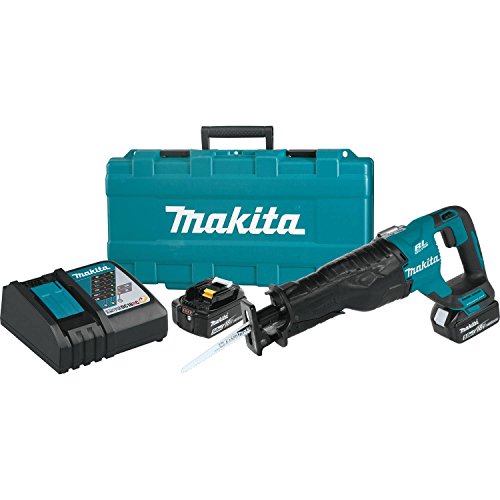
 Makita XRJ08Z 18V LXT® Lithium-Ion Brushless Cordless Compact14.4 x 4 x 6 inches1 PoundsCheck on Amazon

Quick answer
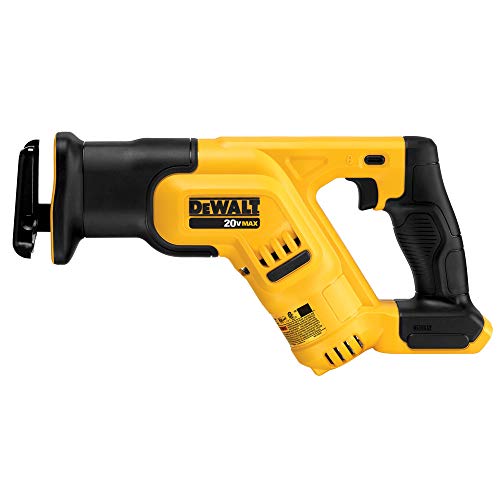
The Makita XRJ08 and Milwaukee 2719-20 are both compact, one-handed reciprocating saws built for pruning, pipe work and cuts where a full-size recip saw is awkward. Neither is a substitute for a two-handed saw in heavy demolition. For overhead work, the better choice is usually the platform you already own: bare-tool cost matters less than buying another battery system. If you’re starting fresh, compare grip, balance and service access in person, because the small size makes those differences noticeable.
What the numbers tell you
Both saws use an approximately 12-inch tool body and a short stroke suited to controlled cuts in tight spaces. Their compact frames are easier to maneuver above shoulder height than full-size saws, but the trade-off is slower cutting in thick lumber and more vibration reaching the hand. Check the current manufacturer specifications for the exact kit or regional version before buying; battery, charger and included blades vary by package.
As an Amazon Associate we earn from qualifying purchases at no extra cost to you.


| Factor | Makita XRJ08 | Milwaukee 2719-20 |
|---|---|---|
| Tool type | Compact cordless reciprocating saw | Compact cordless reciprocating saw |
| Platform | Makita 18V LXT | Milwaukee M18 |
| Stroke length | 13/16 in. | 5/8 in. |
| Strokes per minute | 0–3,000 | 0–3,000 |
| Blade changes | Tool-free clamp | Tool-free clamp |
| Best fit | Existing LXT users wanting a longer stroke | Existing M18 users wanting a compact body |
The XRJ08’s longer stroke can help clear chips and move through material faster, especially in wood. The Milwaukee’s shorter stroke can feel easier to control on a close, delicate cut, though technique and blade choice matter more than that difference alone. Both list variable speed up to 3,000 strokes per minute; that maximum is not a promise of equal cutting speed in every material.
Using either saw overhead
Overhead demolition is tiring because the operator must support the tool while resisting blade kick and vibration. A compact saw reduces reach and bulk, but it does not make a long cut above your head comfortable. Keep the work close to chest height when possible, brace your arm or the saw’s shoe against stable material, and let the blade do the work. For a long overhead cut, reposition a platform or use a longer-reach method rather than forcing the saw at full extension.
Use the shoe against the work whenever the cut allows it. Starting with the blade tip unsupported can make it jump, bend or catch. A dull or unsuitable blade adds pressure and heat; the result may be a stalled cut, a bent blade or loss of control. Use a wood blade for clean wood, a metal blade for pipe or fasteners, and a demolition blade when hidden nails are likely. Keep the blade clear of wiring and plumbing before cutting into walls or ceilings.
For safety, wear eye and hearing protection and gloves suited to the task. Secure loose material before cutting, and remove or control the section being dropped. A short blade is not automatically safe around concealed services. If the cut is above a ladder, rethink the setup: pushing a reciprocating saw while balancing can turn a minor snag into a fall.
Battery, runtime and balance
Tool-only listings can make either saw look inexpensive, but a bare tool is useful only if you have compatible batteries and a charger. Battery size changes balance: a compact pack keeps the tool lighter at arm’s length, while a higher-capacity pack can extend runtime but make the rear of the saw feel heavier. For overhead tasks, a fresh, smaller compatible pack is often more comfortable than carrying extra capacity you may not need.
Do not choose on claimed runtime alone. Cutting through nail-embedded lumber, thick metal pipe or material that pinches the blade drains a battery faster than trimming thin branches. If a saw slows or the pack gets hot, stop and check for a binding blade, dull teeth or a pinched kerf before changing batteries. A fresh battery will not fix a blade trapped in the work.
Which one should you buy?
Choose the XRJ08 if you already own Makita 18V LXT batteries and value its longer stroke for mixed cutting. Choose the 2719-20 if your batteries and chargers are on Milwaukee M18, or if you prefer its handling after a hands-on check. For occasional cuts where speed is secondary, either can do the job; the cheaper bare tool is a sensible buy when it fits your existing platform.
If you do not own either battery system, compare complete starter kits rather than tool-only prices. Include the battery, charger and a useful blade in the cost. A compact cordless reciprocating saw may be enough for light pruning and occasional cuts, but for repeated overhead demolition a lighter setup and a proper work platform matter as much as the saw.
Blades and when to step up
Budget for suitable blades. A short, fine-tooth blade can reduce snagging in thin metal, while a coarser wood blade clears debris faster in lumber. Do not use a worn blade just because it still moves; it increases cutting time and encourages the operator to push harder. A reciprocating-saw demolition blade assortment is a practical addition if the job includes both wood and metal, but match blade length and tooth pattern to the material.
Move up to a full-size, two-handed recip saw if you regularly cut thick framing, heavy pipe or material that needs sustained pressure. A compact saw is easier to place in cramped spots, not more powerful by virtue of being smaller. If most of your overhead work is trimming branches, a dedicated cordless pruning saw may be more comfortable. For occasional demolition, though, the Makita and Milwaukee both make sense when they share batteries with tools you already use.