What's inside
As an Amazon Associate I earn from qualifying purchases. This post may contain affiliate links at no extra cost to you.
Our Top Picks

Quick take
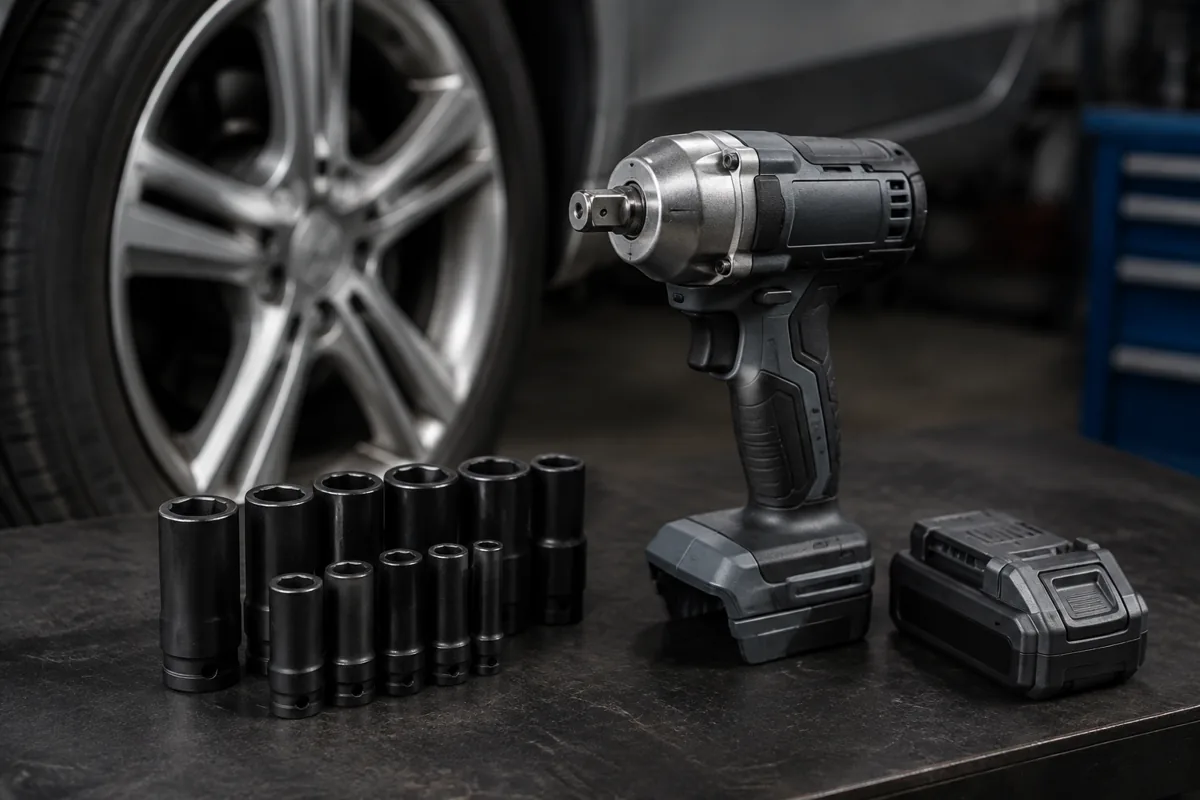
The Milwaukee 2962-20 and DeWalt DCF894 are compact, 1/2-inch mid-torque impact wrenches for automotive work and general fastening. Both are bare tools, so the price comparison should include the battery platform you already own. The Milwaukee has a major practical advantage for lug nuts and other jobs where you want the wrench to stop before it spins a fastener off: its auto shut-off mode limits tightening torque, and its bolt-removal mode reduces speed after the fastener breaks loose. The DeWalt is a capable, simpler option, particularly if you already have DeWalt 20V MAX batteries and do not need those controls.
Neither should be treated as a calibrated torque wrench. Use a separate torque wrench for final wheel-lug tightening, and check the instructions for the fastener and vehicle you’re working on.
As an Amazon Associate we earn from qualifying purchases at no extra cost to you.


Key differences
| Feature | Milwaukee 2962-20 | DeWalt DCF894 |
|---|---|---|
| Platform | M18, 18V | 20V MAX (nominally 18V), 1/2-inch anvil |
| Maximum fastening torque | Up to 550 ft-lb | Up to 330 ft-lb |
| Maximum nut-busting torque | Up to 650 ft-lb | Up to 600 ft-lb |
| Control features | Four modes, including auto shut-off and bolt-removal control | Three speed/torque modes |
| Tool-only weight | About 5.0 lb | About 3.48 lb |
| Anvil versions | Friction ring or pin detent, depending on model variant | Friction ring or hog ring, depending on model variant |
Manufacturers’ torque ratings are measured under their own test conditions, not a guarantee that either wrench will loosen every real-world fastener. Rust, thread-locking compound, poor socket fit and previous overtightening can all change the result. Check the exact suffix and product listing before buying; anvil style and included equipment can vary.
Power and control in real work
The Milwaukee’s published 550 ft-lb fastening rating is notably higher than the DeWalt’s 330 ft-lb. That gives the 2962-20 more room for stubborn suspension hardware, larger bolts and repeated automotive work. Its 650 ft-lb breakaway rating is also higher on paper, though the gap between the two tools’ nut-busting figures is smaller. In practice, neither number tells you exactly how long a particular rusted bolt will take to move.
The 2962-20’s main advantage is not just peak power. Its auto shut-off setting is intended to limit tightening torque to a low level, while bolt-removal mode slows the tool after it breaks the fastener loose. Those features help reduce the chance of launching a nut across the shop or spinning it down a stud at high speed. They do not replace careful technique: start nuts by hand, use the correct impact-rated socket, and finish critical fasteners with a torque wrench.
The DCF894 has three modes and a more straightforward control setup. It is lighter as a bare tool, which matters when working overhead or holding it away from your body. Its lower fastening rating is not a deal-breaker for ordinary tire changes, light repairs and many home-garage jobs, especially when the fasteners are not badly corroded.
Battery, fit and handling
These tools make the most financial sense if you already own batteries and chargers in the matching system. Buying a new platform just for one impact wrench can erase the apparent savings on a bare tool. If you are comparing complete kits, check what battery capacity is included: a compact pack keeps the tool lighter, while a larger pack may be a better choice for sustained high-load work.
Milwaukee’s greater power comes with a heavier tool body. Add a battery and socket, and the difference is more noticeable during long sessions. The DeWalt’s lower bare-tool weight can be easier on the wrist, though battery choice also affects balance. Try to handle both with the battery you plan to use if comfort is a priority.
Which one should you buy?
Choose the Milwaukee 2962-20 if you need more fastening headroom, regularly deal with seized automotive hardware, or value its low-speed controls for removing and snugging nuts. It is also the stronger pick if you already own M18 tools. Compare Milwaukee 2962-20 listings carefully to confirm anvil style and whether the listing is tool-only.
The DeWalt DCF894 is the sensible choice when you’re already on 20V MAX and your work is mostly routine maintenance, wheel changes and general fastening. It is lighter, often less expensive, and strong enough for many home and shop jobs. If the job involves frequent stubborn fasteners, the Milwaukee’s extra rated fastening torque may be worth paying for. Otherwise, the cheaper DeWalt is fine; putting the savings toward good impact sockets or a torque wrench may be more useful. See current DeWalt DCF894 options and compare bare-tool and kit prices.
Avoid the common mistakes
Use impact-rated sockets, not chrome hand sockets: they can crack under impact and send fragments flying. Keep the socket fully seated, especially on recessed or damaged nuts. If the tool hammers without turning a bolt, stop rather than holding the trigger indefinitely; excessive heat can damage the fastener, socket or tool, and the bolt may be seized beyond what a mid-torque wrench can safely handle. A longer breaker bar, penetrant or controlled heat may be more appropriate, depending on the part and surrounding materials.
For wheel work, use the impact wrench to remove lug nuts and run them down gently, not to set final torque. A wrench’s advertised output is not a torque setting, and repeated impact can stretch studs or damage threads. Tighten in the vehicle maker’s specified sequence and to its stated torque with a calibrated torque wrench.