What's inside
As an Amazon Associate I earn from qualifying purchases. This post may contain affiliate links at no extra cost to you.
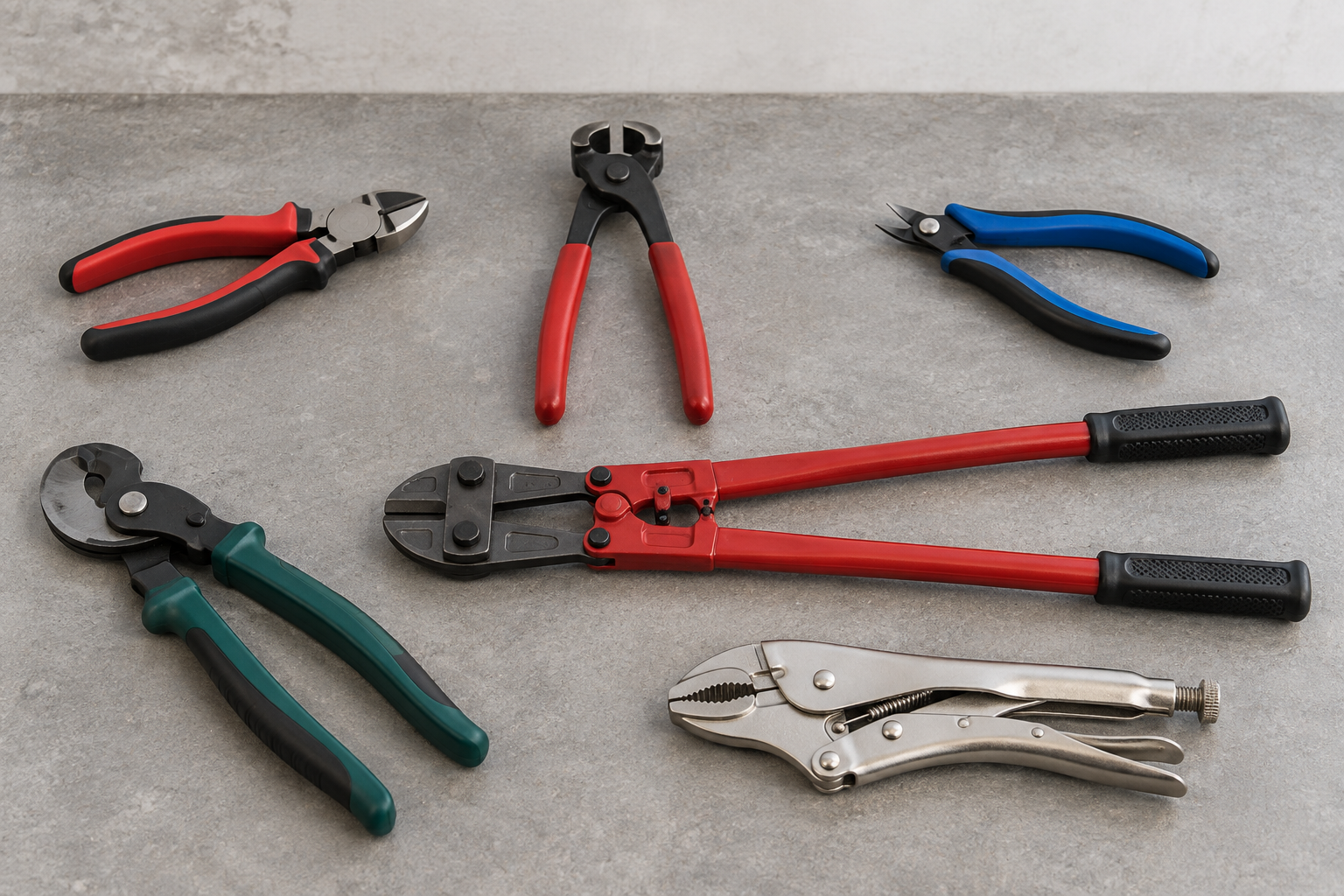
Diagonal cutters and end cutting nippers both remove wire and nails, but they do it from different angles. Diagonal cutters are the everyday choice for snipping wire flush or nearly flush. End cutting nippers, often called end cutters or pincers, approach the material from the front and use the jaws to pull, lift, or cut close to a surface.
The better tool depends on whether you are cutting loose wire, removing fasteners, or working against a board. Using the wrong one can leave a sharp stub, damage the workpiece, or chip the cutting edges.
As an Amazon Associate we earn from qualifying purchases at no extra cost to you.


Our Top Picks
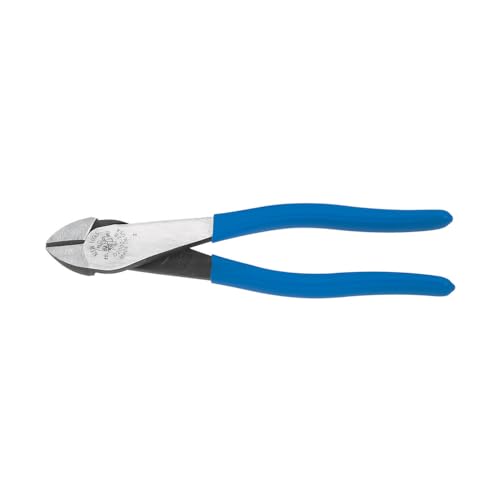
 Klein Tools D2286 High Leverage Diagonal Cutting Pliers6-Inch6 x 6 x 0.1 inches0.34 PoundsCheck on Amazon

The quick answer
Buy diagonal cutters for electrical wire, cable ties, mechanics work, and general cutting. Buy end cutting nippers for pulling nails, lifting staples, and cutting nails or wire close to a wood or plastic surface.
If you can own only one, diagonal cutters are more versatile for routine cutting. If your job involves old trim, flooring, upholstery, fencing, or embedded fasteners, end cutting nippers are worth the second purchase.
How the jaw design changes the job
Diagonal cutters have jaws set at an angle to the handles. The cutting edges meet diagonally, so you slide the jaws around a wire and squeeze. Good diagonal cutters can cut copper, aluminum, and many common electrical wires. Some heavy-duty versions handle soft steel wire, but ordinary flush cutters are not intended for hardened nails or piano wire.
End cutting nippers have jaws at the end of the tool, roughly in line with the handles. This lets you place the cutting edge flat against a board or pull a fastener with a rocking motion. The rounded head acts as a small fulcrum. That shape is useful for extracting nails, but it can dent soft wood if you apply much force.
| Feature | Diagonal cutters | End cutting nippers |
|---|---|---|
| Best use | Cutting wire and cable ties | Pulling or cutting nails and staples |
| Cutting access | Works from the side | Works from the end or against a surface |
| Typical finish | Clean cut, with a possible short stub | Can cut very close or flush to a surface |
| Pulling ability | Poor; jaws are not designed for prying | Good for small nails, staples, and tacks |
| Main risk | Chipped edges from hard steel | Surface damage and bent fasteners |
Which is better for removing wire?
For loose wire, diagonal cutters win. They are quicker to position, easier to control, and less likely to twist the work. A 7-inch pair is a practical general-purpose size. It gives enough leverage for household wire without becoming awkward in a crowded electrical box.
Cut wire one conductor at a time when possible. If you cut a live circuit, the tool can create a short circuit, arc, or serious injury. Turn off the breaker, verify the circuit with a suitable tester, and avoid cutting wires that may still be energized. Never use ordinary cutters on cable that could contain hidden power.
End nippers are useful when wire is stapled to wood or buried in a groove. You can grip the exposed section, roll the tool, and pull the staple or wire upward. They are slower than diagonal cutters for repeated snipping and often leave a small divot in the surface. For finished trim or visible furniture, place a thin scrap of wood under the head to spread the pressure.
For cable ties, small diagonal cutters are usually the cleanest option. Flush-cut designs leave less of a sharp ridge, which matters around hands, hoses, and electrical insulation. Do not confuse flush cutters with nail-cutting tools: their thin edges are easily damaged by hardened steel.
Which is better for removing nails?
End cutting nippers are the clear choice for nails, especially when the head is exposed or the nail is partly buried. Grip the shank near the surface and rock the tool backward. Take several small bites rather than trying to bend a long nail sideways. This reduces splitting and gives better control.
They work particularly well on finish nails, brads, fencing staples, and upholstery tacks. With a nail that is 2 inches long or more, you may need to grip, rock, reset, and repeat. Larger end nippers with a broad, rounded head provide more leverage, but they also leave a larger mark.
Diagonal cutters can cut small soft nails in an emergency, but this is a poor routine. The nail may roll out of the jaws, the handles can kick back, and the cutting edges may develop a notch. Hardened masonry nails, hardened trim nails, and many construction fasteners can destroy standard cutters instantly.
Strength, size, and failure modes
Check the manufacturer’s cutting chart before cutting steel. A tool rated for 1.6 mm soft wire is not automatically safe for 1.6 mm hardened wire. Material hardness matters as much as diameter. If the handles flex, the jaws show a gap, or you must use both hands on a normal cut, the tool is undersized.
Do not strike either tool with a hammer unless it is specifically designed for that use. Do not add a pipe to the handles. Excess leverage can permanently misalign the jaws or break the hinge. Eye protection is sensible because clipped wire and nail fragments can travel several feet.
Keep the cutting edges clean and lightly oiled at the pivot. If diagonal cutters develop a visible chip, replace or professionally repair them; filing the edge changes the meeting angle and may leave a dangerous gap. End nippers with dull edges may still pull nails, but they will crush rather than cut cleanly.
What to buy
Choose insulated-handled diagonal cutters for electrical work, but remember that insulation is not proof the tool is safe on live circuits. Look for a comfortable hinge, precise jaw alignment, and a cutting rating that covers the wire types you actually use. A mid-priced pair is generally enough for household repairs; the cheapest pair may be fine for occasional cable ties and soft copper.
For renovation and repair work, choose end nippers with a rounded head, hardened cutting edges, and handles long enough to provide leverage. A 7- to 10-inch tool covers most trim and staple jobs. If protecting finished wood matters, prioritize a slimmer head and use a protective shim rather than buying the largest nipper available.
In practical terms, diagonal cutters remove wire efficiently; end cutting nippers remove fasteners intelligently. Buy the diagonal pair first for general maintenance, then add end nippers when pulling nails or working flush against a surface becomes a regular task.